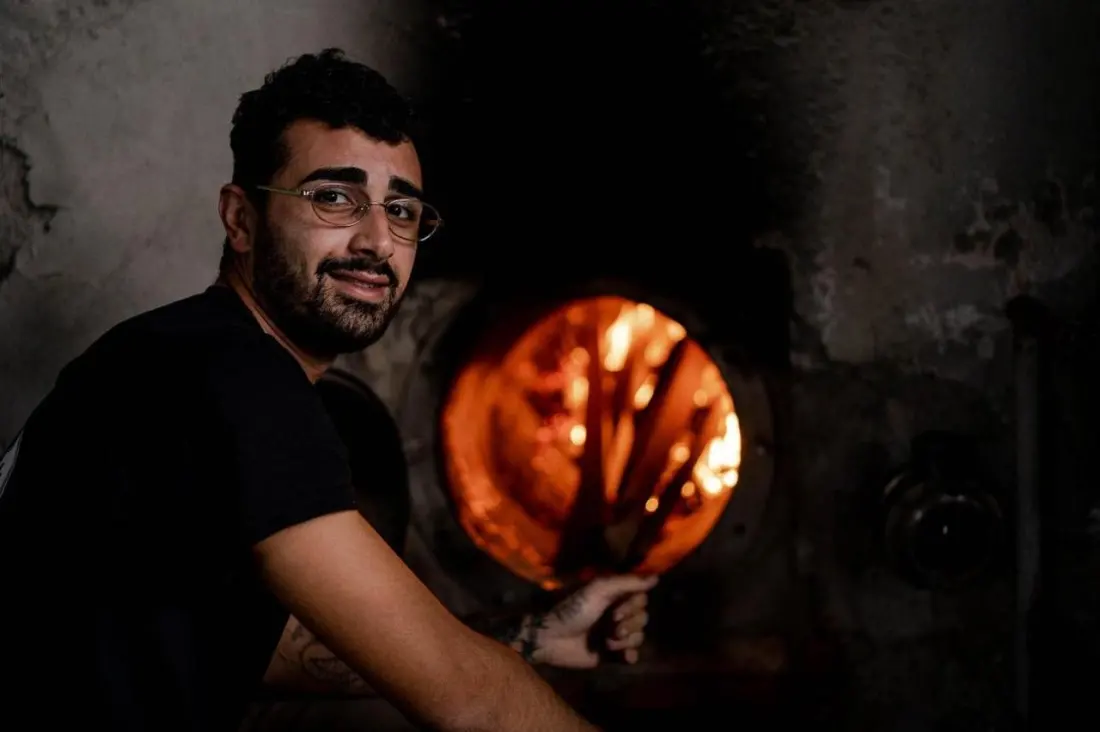
Sicily's prickly pear cacti are everywhere — crowding roadsides, spilling down coastal slopes, painted onto Caltagirone ceramics and the island's traditional carts. But until recently, nobody had turned the plant itself into a proper distilled spirit. Giuseppe La Fauci has changed that, and the story of how he did it is as interesting as what's in the bottle.
La Fauci is the son of a master distiller from Valdina, near Milazzo on Sicily's northeast coast, so fermentation and stills were family business long before cactus entered the picture. What puzzled him was the sheer amount of opuntia growing wild around him. In autumn, market vendors sell the fat, sweet fruit — known locally as bastardoni, a name that translates roughly to "big bastards" — but the pads themselves went unused.
His first attempt was simple: infuse the pads in neutral spirit, gin-style. He wasn't satisfied. He wanted a spirit made entirely from the cactus, not a gin flavoured with it. So he went back to first principles, fermenting raw pads in tiny two- and three-litre batches to see whether they held anything worth distilling at all. Experimenting and studying, he says, at the same time.
The turning point came when he showed a photograph of his tests to his importers. They sent him to Mexico. In Oaxaca, home of mezcal, he learned how agave hearts are roasted, fermented and distilled — a craft built on turning a succulent plant into spirit from scratch. Back in Sicily, he applied the same logic to the pads he'd grown up seeing everywhere, adapting the mezcal method to a plant with its own quirks.
The result is a genuinely Sicilian spirit, tied to a plant that has become an unofficial symbol of the island. For travellers, that matters. Sicily already trades heavily on food and drink — Marsala, Etna wines, pistachio everything — and a homegrown cactus spirit adds something you simply cannot taste elsewhere. Bars in Palermo and Catania are increasingly serious about local bottles, and a distillery rooted in the Milazzo area gives visitors another reason to push beyond the usual Etna-and-Taormina circuit. The northeast coast, with Milazzo as a launch point for the Aeolian Islands, is exactly where you'd stumble across it.
It's also a story about how drinks traditions travel. Mezcal's techniques, learned in Oaxaca, applied to Sicilian roadside flora — it's the kind of cross-pollination that has shaped European spirits for centuries, and it's happening right now in a small workshop near Messina.
Who's this for? Drink-curious travellers planning a Sicily trip who want something beyond wine, and anyone who likes the idea of tasting a spirit so local that its raw ingredient grows on the drive from the airport. Full details of La Fauci's process and the finished distillate are in the original feature, which sits behind the publisher's membership paywall.
Story via Roads & Kingdoms.