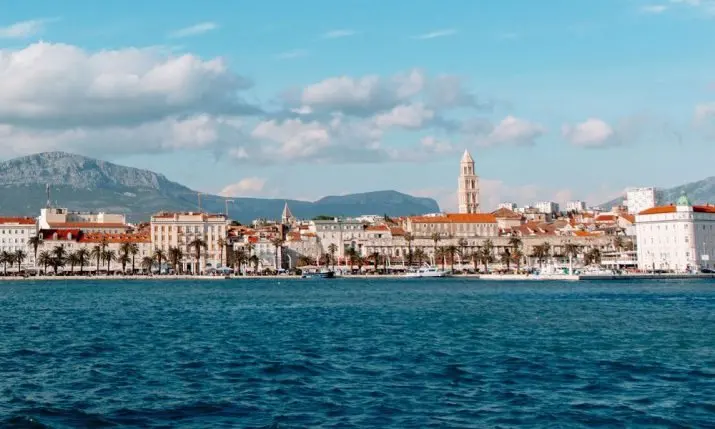
Split is pulling double duty this week. Croatia's second city is hosting the MED9 summit on 6 and 7 October, a gathering of leaders from nine Mediterranean EU countries, while also preparing for a Nations League football match between Croatia and Spain at the Poljud stadium on Tuesday evening. Roughly 33,000 spectators are expected at the match — on top of motorcades, road closures and heavy security across the city.
The MED9 group brings together Croatia, Cyprus, France, Greece, Italy, Malta, Portugal, Slovenia and Spain, with Prime Minister Andrej Plenković hosting during Croatia's presidency of the bloc. The agenda covers the big issues facing the Mediterranean region: security, migration, energy, water management, environmental resilience and demographic decline. Talks will also touch on the EU's relations with its southern neighbours and the implementation of the Pact for the Mediterranean.
The guest list is unusually weighty for a city better known for its Roman old town and summer beach season. European Commission President Ursula von der Leyen, European Council President António Costa and Mediterranean Commissioner Dubravka Šuica are all attending, alongside Prince Albert II of Monaco and Jordan's Crown Prince Al Hussein bin Abdullah II. For Croatia, it's one of the biggest diplomatic events of the year and a chance to showcase its role in the Mediterranean.
For anyone actually in Split right now, the practical picture matters more than the politics. Croatian police have imposed special traffic measures across Split, Kaštela and Solin from Tuesday afternoon through Wednesday evening, covering key routes between the city and the airport — including parts of the D8 and Poljička cesta. Authorities are urging residents and visitors to skip unnecessary car journeys and budget far more time than usual for any trip to or from the airport. If you're flying out midweek, leave early and consider the airport bus or a pre-booked transfer with a driver who knows the closures.
Why care if you're not in Croatia? It's a reminder that Mediterranean politics and Mediterranean travel increasingly overlap. Water scarcity, coastal resilience and migration all shape the destinations Europeans holiday in, and the MED9 countries represent a huge share of the continent's tourism. Croatia hosting the summit in Split also underlines how central Dalmatia has become — not just as a summer destination but as a venue for serious European cooperation. If your autumn plans include Split, enjoy the Diocletian's Palace and the Riva, but check local traffic updates before moving around the city this week.