Devastating flash floods on Nepal's Bhote Kosi and Trisuli rivers have left roughly 33,000 people without homes, washing away roads, bridges, market towns and farmland across 15 municipalities. As the country pivots from earthquake reconstruction to flood recovery, researchers from the University of British Columbia and Berry College have published lessons from Nepal's 2015 earthquake rebuild that could shape how this recovery unfolds — and it matters for anyone with Nepal on their travel radar.
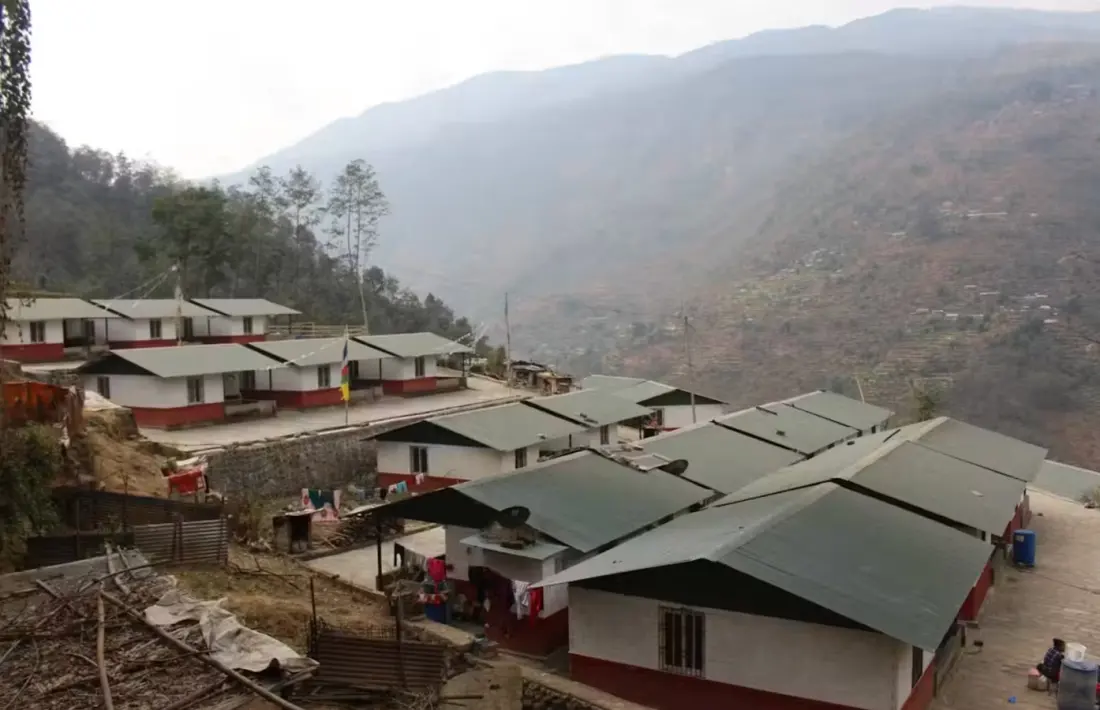
The immediate picture: Nepal's National Disaster Risk Reduction and Management Authority has released a Rapid Disaster Needs Assessment, though it admits no community consultations or engineering assessments were done before its initial report. The army led search and rescue, and full damage assessments are still to come. Some land will be deemed too hazardous to rebuild on, and 'integrated settlements' — collective resettlement sites — are back on the table.
Here's the catch: after the 2015 earthquake, those resettlement sites struggled when livelihoods and caste-ethnic dynamics weren't factored in. Reconstruction grants tied strictly to property ownership left many affected families ineligible. This time, the Tamang and other Indigenous communities — who make up 38 to 90 per cent of the population in nine of the affected municipalities — have deep ties to ancestral land and often resist relocation even when it's safer. The authors argue for municipality-specific plans negotiated with local governments rather than a one-size-fits-all federal approach.
There's also a hard truth about Himalayan development: riverside towns along the Bhote Kosi and Trisuli grew because roads, hydropower investment and jobs clustered on the riverbanks. That ad hoc, river-centric model put people directly in the path of floods and landslides. The researchers argue for a system-wide rethink — possibly moving settlements uphill — rather than rebuilding in the same risky spots.
Why should travellers care? Popular overland routes into the Himalayas, including corridors towards the Langtang region and the Tibetan border, cross exactly this terrain, and recovery will take years, not months. Nepal's tourism economy depends on the same road networks and river valleys hit by the floods, so checking local conditions before travelling through affected districts is essential. Beyond that, Nepal has a chance to model something bigger: recovery that prioritises community-led planning and climate justice over simply rebuilding in harm's way. If you're trekking or travelling in Nepal in the coming seasons, supporting locally run businesses in recovering areas is one of the most direct ways to help.
Sara Shneiderman and Amy Leigh Johnson's analysis was republished from The Conversation via Nepali Times.