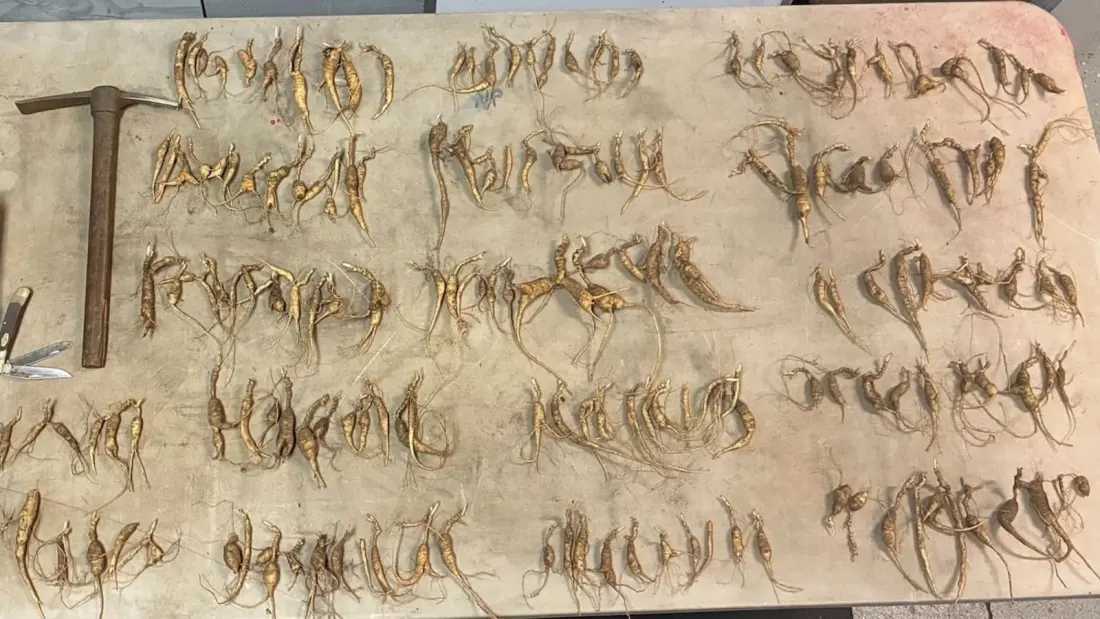
Rangers at Great Smoky Mountains National Park recovered close to 700 illegally uprooted ginseng roots in late September 2026, in what officials describe as part of a long-running — and worsening — poaching problem in the southern Appalachians. Two individuals are believed responsible; the park has not said whether charges will follow.
The stakes are higher than they might sound. Wild American ginseng, nicknamed "green gold," is a prized medicinal herb used in teas and remedies, and demand from overseas markets — China in particular — keeps climbing. A dried pound can fetch more than $500, which is why poachers are willing to hike deep into park land to dig it up. The wild version commands far better prices than anything grown on farms, feeding a genuinely underground trade.
Ecologically, the losses compound. Removing plants strips food sources for wildlife and thins the genetic diversity of ginseng populations, which already barely hang on outside protected land. The plant is slow to recover: a root can take up to a decade to mature. Of the recovered roots, the Park Service plans to replant some, but expects only about a third to survive.
Removing any plant, animal, or even rock from a US national park is illegal, with penalties of up to a $5,000 fine or six months in prison. Yet enforcement is getting harder. Conservation advocates point to steep staffing cuts at national parks over the past two years, leaving fewer rangers trained to spot harvesting in the first place. Some national forests have also pulled back the ginseng harvest permits they once issued, citing unsustainable practices. With legal avenues narrowing, pressure on park land only increases — public lands are now among the last strongholds for the species.
For travellers, the Smokies remain one of America's most visited parks, and this story is a useful reminder of the ground rules: leave everything where you found it, and report anyone digging up plants to park staff. Rangers have explicitly asked visitors to be their eyes in the backcountry, since hikers often outnumber the law-enforcement presence many times over.
Who should care? Anyone hiking the Smokies' 850-plus miles of trails, plant enthusiasts interested in one of Appalachia's most storied botanical traditions, and travellers who want the parks they visit to still hold their wild character next season. Advocates put it plainly: ginseng on public land belongs to everyone, not to profiteers — and its survival now depends partly on visitors speaking up when they see something wrong.