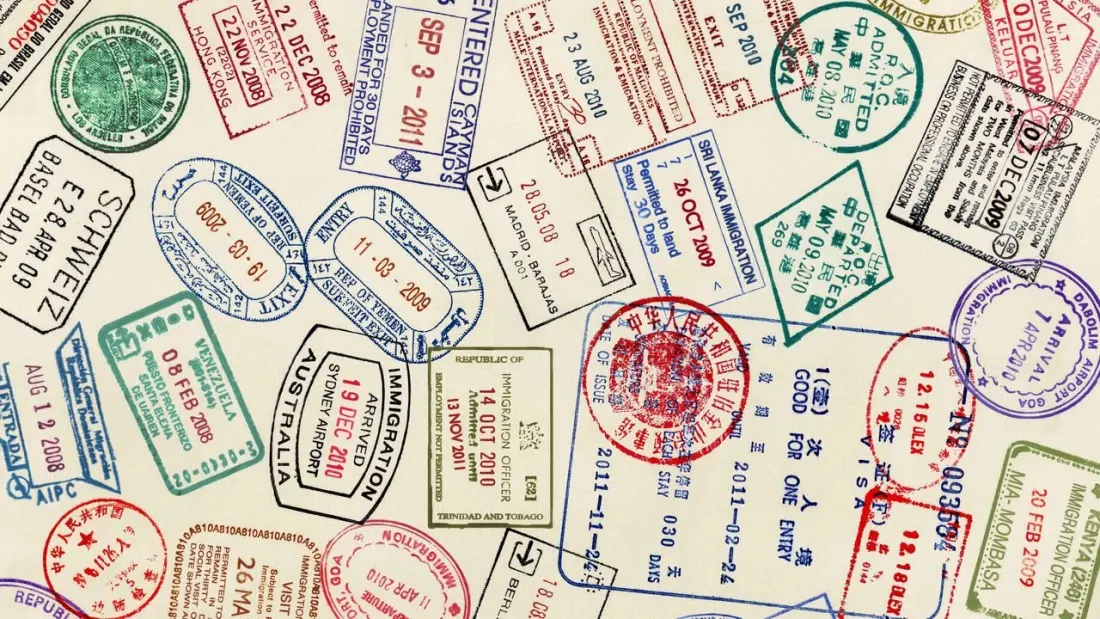
As of October 1, US Customs and Border Protection has stopped routinely stamping passports at immigration. The ink stamp that used to confirm your arrival — a little souvenir and, more usefully, proof of your legal status — is no longer part of standard processing at US airports and seaports. CBP says dropping it speeds up inspection and cuts costs.
Nothing changes about who gets in or how long they can stay. What changes is where that information lives. For years, arriving visitors got two things: a physical stamp and an electronic I-94 record. Now, for most people, it's just the I-94. That digital record — available on CBP's I-94 website or the CBP Link app — is the document that shows your entry category (tourism, business, student and so on) and, crucially, the date you're expected to leave.
Immigration lawyers quoted in the original report say the change is really just formalising what was already happening. The US replaced paper I-94 cards with electronic records back in 2013, and the country joins a growing club: at least 35 countries, including Australia, New Zealand, Singapore and South Korea, are phasing out stamps, and Europe's new Entry/Exit System does the same across 29 countries. Your passport, as one travel-tech founder put it, is no longer your archive.
Can you still ask for a stamp? Yes — officers may oblige at the booth, but it's now a courtesy, not a given. And it still matters for some people. Entry stamps have long served as supporting evidence for visa and residency applications, bank or school paperwork, and green card holders, who can't look up their trip history in the I-94 system, used stamps to track time abroad.
For everyone else, the practical advice is simple: check your I-94 the moment you land. Confirm your name and passport number, your entry category, and the departure date. Note that this date can differ from your visa's expiry — a visa valid for years might still get you admitted for only a few months. Visa Waiver travellers typically get 90 days; those on a tourist or business visa can receive up to six months. Save a copy somewhere you can find it later.
The real downside of losing the stamp is that errors may go unnoticed until you've already left the airport. If something looks wrong, contact a CBP Deferred Inspection Site — most corrections, from misspelled names to wrong dates, can be handled without returning to your port of entry. One exception: if the record came from USCIS as part of an approval notice, the fix goes through USCIS. Either way, act before your I-94 date passes. As one attorney put it, waiting is what turns a typo into an overstay.
For travellers who loved the passport-as-scrapbook era, this is a small loss. For anyone visiting the US, it's a genuine shift in habits: the responsibility for proving your status just moved from ink to inbox.
Credit: Condé Nast Traveler