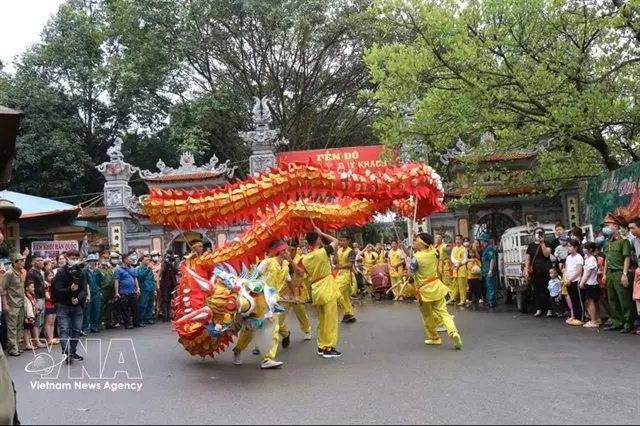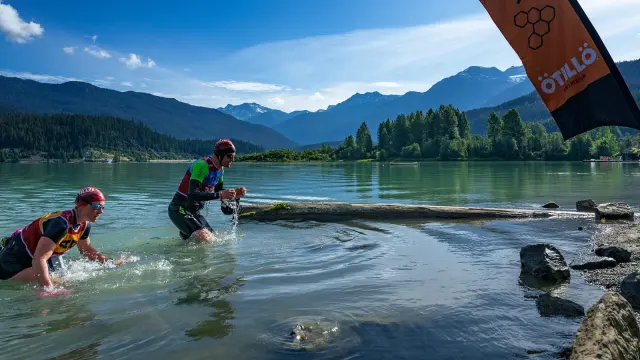
Việt Nam has no shortage of things to sell travellers: limestone caves, mountain terraces, thousands of kilometres of coastline, street food that rivals anywhere in Asia. The problem, according to industry experts there, isn't the product — it's the marketing. Promotion so far has been piecemeal: a trade fair here, a roadshow there, a promo video that fades from view within weeks.
That's now changing. Politburo Resolution No. 26-NQ/TW sets a target of 45–50 million international arrivals by 2030 and frames tourism promotion as part of a broader destination competitiveness strategy. In practice, that means a unified national campaign with consistent messaging, better coordination between ministries and provinces, and more use of Vietnamese embassies, cultural centres and tourism ambassadors abroad. The resolution even opens the door to dedicated tourism promotion offices in key overseas markets.
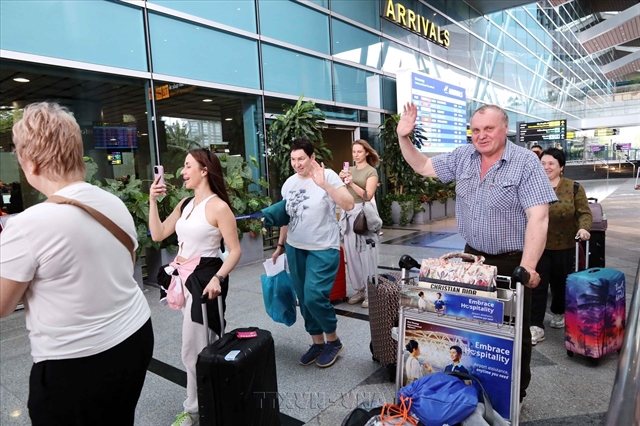
The urgency is easy to see in the numbers. Đà Nẵng alone welcomed nearly 300,000 Russian visitors in the first eight months of 2026 — a 151.4 per cent year-on-year jump that pushed Russia into the city's top ten source markets. Demand from certain markets is already surging; the question is whether the country can broaden and sustain it.
Academics and marketers have thoughts on how. Tăng Thông Nhân, of Thành phố Hồ Chí Minh University of Technology, argues Việt Nam already has a brand, logo and slogan — what's missing is focused campaigns built around clear messages rather than promoting everything at once and diluting the identity. Vũ Nguyên Quân, marketing director at Klook Việt Nam, points to the growing power of digital platforms and influencers in shaping travel decisions, while cautioning that glossy campaigns fall flat if airports, hotels and service standards don't keep up.
The regional benchmark is Thailand, which enlisted K-pop star Lisa as an Amazing Thailand Ambassador for its Feel All the Feelings campaign — content tied directly to real destinations and experiences, generating more than 448 million impressions and 89.4 million TV commercial views by mid-September. That's the model: celebrity-led buzz converted into actual bookings.
For travellers, the interesting part of all this is the direction of travel. Nhân highlights nature-based tourism — caves, mountains, beaches, islands — and culinary tourism as areas with untapped high-end potential, pairing traditional dishes, local ingredients and cultural storytelling. If the strategy works, expect more polished experiences in places like Hà Nội, Đà Nẵng and Phú Quốc, better-organised access to sights such as the caves of Quảng Bình, and a destination that's easier to plan a trip around. Go before the crowds fully catch on.