In 2022, Mexico's congress voted to stop changing the clocks altogether. It wasn't a controversial call — seasonal clock-shifting was never popular there, largely because the country doesn't really need it. Sitting close to the equator, Mexico gets a steady supply of daylight whatever the month, and that has real implications for anyone chasing winter sun.
The numbers make the case. On the shortest day of the year, December 21, Tijuana on the US border still gets just over 10 hours of daylight. Mexico City, on roughly the same latitude as Mérida in the Yucatán, gets close to 11 hours, and Tapachula on the Guatemalan border gets more than 11 hours 14 minutes. Compare that with London or Stockholm, where midwinter daylight shrinks to around eight hours or less, and the appeal is obvious.
Summer works the same way in reverse. On June 21, the longest day, daylight ranges from about 12 hours 18 minutes in Mexico City to 14 hours 17 minutes in Tijuana — generous, but not the extreme swing you get in far northern latitudes where summer nights barely darken. The result is a country with a fairly even balance of light and dark all year, something often credited with boosting mood and general wellbeing, and a big reason so many North Americans and Europeans overwinter there.
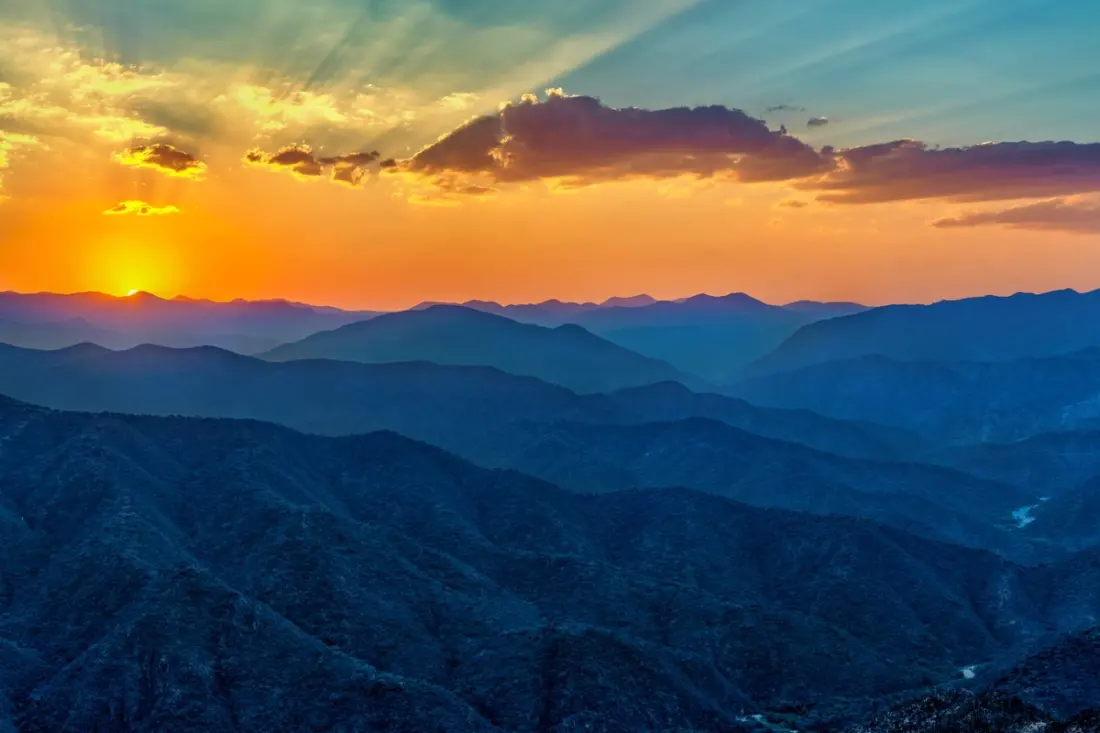
Beyond the raw hours, there's the quality of the light itself. Mexico has long been described as one of the world's most colourful countries, and the light plays its part. The central highlands are famous for crisp, intensely blue skies, while the rainy season brings lush greenery and strong floral scents as the ground swells with water. Come the dry season, rising dust in the atmosphere sets up some genuinely spectacular sunsets along the coasts and in the colonial towns.
For travellers, this is worth factoring into trip planning more than you might think. Longer winter evenings mean more time for sightseeing, rooftop dinners and beach time in December and January, when much of the northern hemisphere is shutting down at 4pm. It also explains why destinations like Mérida, Oaxaca and Puerto Vallarta work so well as winter bases — you get warm temperatures and consistent daylight without the crush of a midsummer heat peak.
Whether you're planning a two-week holiday or weighing up a longer stay, Mexico's steady light is one of those underrated perks that rarely makes the brochure but shapes the experience once you're there.
Story via Mexperience.