Day 19 of a Colorado Trail thru-hike, and the wildlife delivery finally arrived. Setting out from Janet's Cabin — a rare trail-side stay with an indoor composting toilet, though the creatures rustling in the eaves made their presence known overnight — the hiker climbed toward Searle Pass under early-morning light, passing a grazing buck and doe in the meadow below.
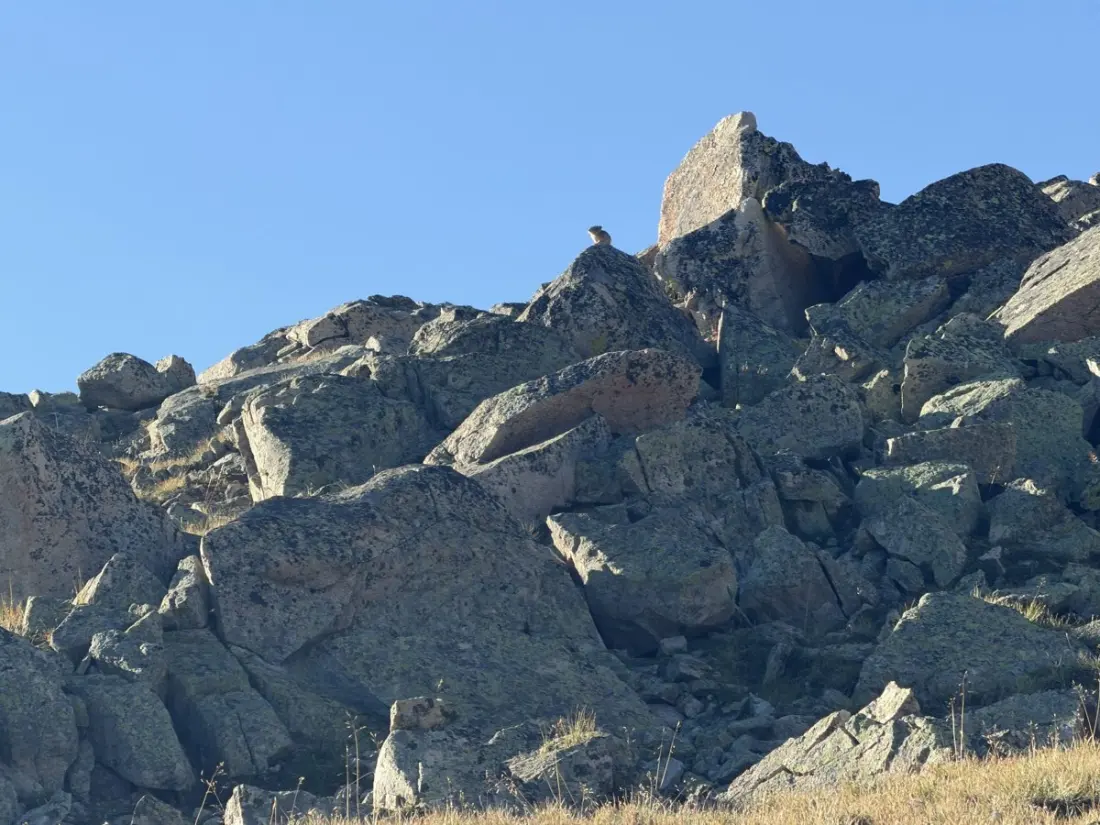
The day's real stars were the pika and marmots. Between Searle Pass and Elk Ridge, the true high point at roughly 12,000 feet, the three-mile stretch delivered so many of the small, squeaking locals that the hiker repeatedly stopped for photos. Their response to a human intruder: adorably indignant chirps. No shade exists at that elevation, though — the high-altitude sun burned hot enough to be the day's main complaint.
The route then crossed to Kokomo Pass, where two horses grazed just below the saddle, before a long descent toward Cataract Creek. Timing mattered there: afternoon thunderstorms were already rumbling in the distance as the hiker traversed a half-mile of exposed ridge, a familiar and serious hazard on Colorado's high trails in summer. The storms held off, a campsite was found at the creek, and the evening stayed dry.
A passing hiker added a note of trail envy, reporting a near-encounter with a moose in the valley that morning. For all the pika and marmot sightings, a moose remained the one animal that got away.
This stretch of the Colorado Trail, near Copper Mountain and Kokomo Pass, shows why the route is one of America's best long-distance hikes: gentle grades even at altitude, historic cabins for the occasional roof over your head, and wildlife densities that make every mile a nature documentary. It's the kind of terrain where a section hike — a few days rather than a full 500-mile thru-hike — still delivers the full experience. The hiker's own takeaway on this penultimate night was bittersweet: Colorado deserves a return trip, either with a plan for bigger mileage days or a deliberately leisurely itinerary.
For travellers, the practical lesson is about pacing and weather. Above 11,000 feet, starts at seven in the morning aren't optional — they're how you clear exposed ridgelines before the daily storm cycle builds. And acclimatisation is real: by day 19, the altitude that would flatten a sea-level visitor felt manageable. If you're planning your own taste of the Colorado Trail, the Copper Mountain area passes make an achievable, spectacular multi-day sampler with resupply and lodging nearby.