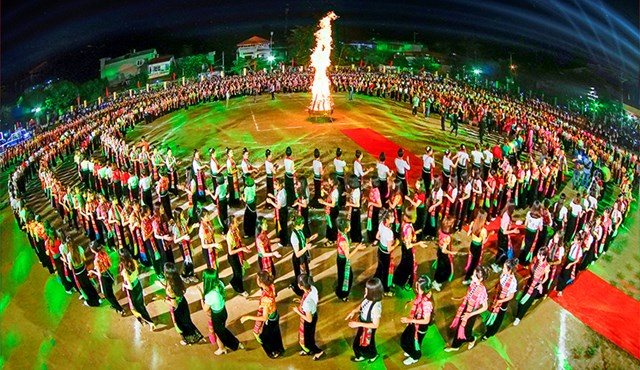
Picture 2,026 people in traditional Thái dress, hands joined, moving through the slow spiral of the Xòe dance in a stadium in Vietnam's northwest. That's the centrepiece of the Mường Lò Culture and Tourism Festival 2026, opening at 20:00 on October 16 at Nghĩa Lộ ward stadium in Lào Cai province. The number isn't random — it nods to the year — and the timing matters too: 2026 marks five years since UNESCO added Thái Xoè to its Representative List of the Intangible Cultural Heritage of Humanity.
The festival carries the theme "The Essence of Thái Xoè – Colours of the Northwest," and the opening show, titled Thái Xoè – A Complete Circle of Love, blends traditional performance with contemporary staging to recreate the cultural world of Vietnam's highlands. Before the ceremony, from 17:30 to 19:00, a street parade of around 400 performers in eight groups will wind along Điện Biên and Nguyễn Quang Bích streets to the stadium.
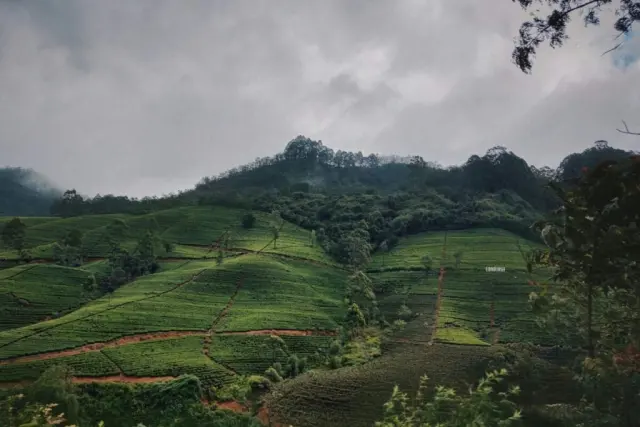
The dance is the headline, but there's a full week around it. From October 15 to 21, the Northwest Tourism Fair will show off local OCOP products alongside a photo exhibition on northwest tourism. Beyond the main venues, communities across the province are staging their own programme: community-based tourism experiences, folk festivals, traditional sports and agricultural tours. Two events stand out for travellers with specific interests — the Lào Cai Shan Tuyết Tea Festival, celebrating the ancient tea forests the region is known for, and a paragliding event called Flying over the Golden Season in Tú Lệ commune, timed for when the rice terraces turn amber.
Provincial vice chairwoman Vũ Thị Hiền Hạnh framed the festival as both a preservation exercise and a tourism pitch — a chance to honour the ethnic cultures of the northwest and put Mường Lò, a valley less visited than nearby Sapa, firmly on Vietnam's travel map.
For anyone planning a northwest Vietnam trip, this is a rare window. Mường Lò in Yên Bái province (now administered under Lào Cai) is the cultural heart of the Thái people, and the Xòe dance is normally something you glimpse at village celebrations, not a spectacle of this scale. The mid-October slot also coincides with harvest season, when the terraced fields around Tú Lệ and Mường Lò are at their most photogenic — pair the festival with a few days in the valley and you get culture and scenery in one run. Accommodation is largely family-run homestays, so book early for mid-October.