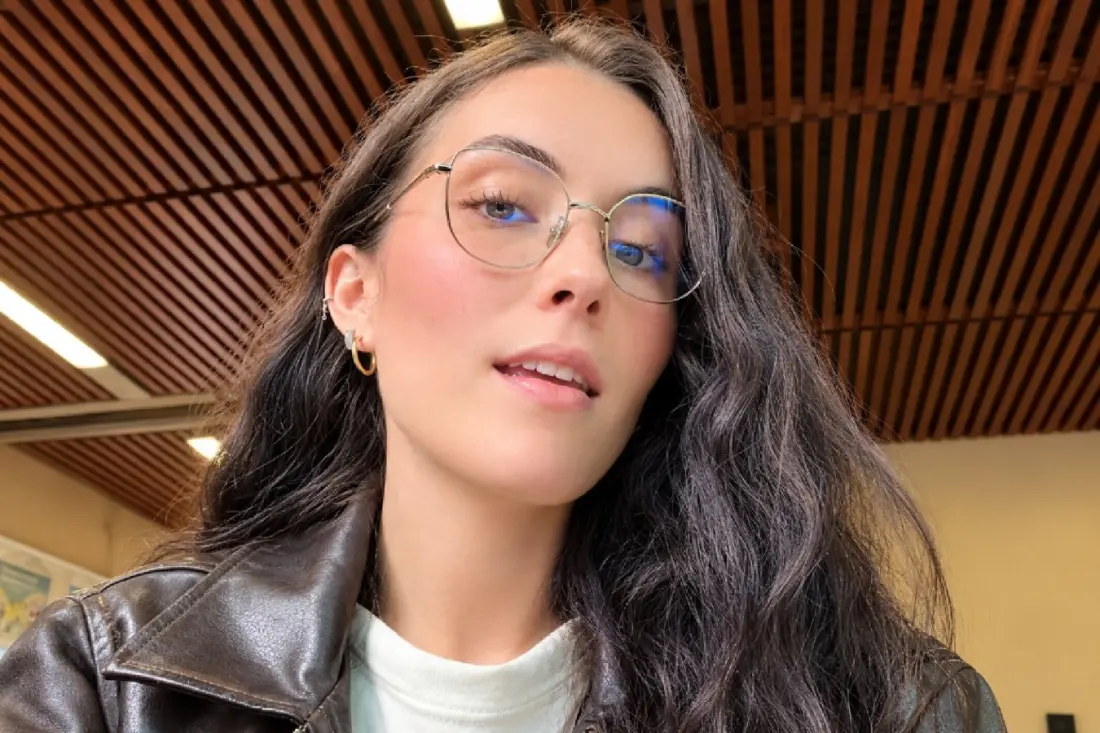
Paris-born lawyer Solveig Drexel arrived in Colombia in September 2025 — and within a year decided she wanted to stay for good. Now living in the Chapinero district of Bogota, she is working through the paperwork to validate her French law degree locally and apply for a Colombian work visa, according to her interview with ColombiaOne.
Her route to the Andes was anything but direct. Drexel grew up in Paris with a French mother and German father, and started teaching herself Spanish during the pandemic. Mexico was the original plan, but when she got the chance to spend a study-abroad year in South America, she picked Peru. Before heading there, a Colombian friend invited her to spend Christmas in Bogota. That visit — and a birthday trip back the following May — changed her mind entirely. She started job-hunting in Bogota and Medellin, then made the move permanent.
She has thrown herself into local life. Drexel is an unlikely champion of changua, Bogota's milky breakfast soup with eggs, onion, coriander and cheese — a dish she didn't realise was divisive among Colombians until she'd already declared it delicious. (A one-off fainting spell mid-bowl turned out to be unrelated, and hasn't put her off.) Not everything has converted her: she still avoids ripe plantain, though she makes an exception for fried patacones.
The cultural adjustments have been real but gentle. Plans in Colombia, she found, rarely stay one-on-one — a coffee with a friend can balloon into a family gathering — and she has come to love that openness. Learning to express deeper emotions in Spanish has been the hardest and most rewarding part of living abroad.
Her Colombia goes well beyond the capital. She has travelled to Medellin, Cartagena, Santa Marta, Tayrona national park, the mountain town of Minca, Tolú and the Coffee Region, and says what struck her most was Colombians' resilience. She liked it enough to bring her parents over — her mother called it the trip of a dreams, and her German father was won over too.
Why does one expat's love letter matter to travellers? Because it's a useful, current snapshot of Bogota as a long-stay destination. The city has the pieces that attract remote workers and career-changers: a lively cultural scene, neighbourhoods like Chapinero and Teusaquillo (her favourite) that reward wandering, comfort food with real character, and a visa framework foreigners can actually navigate — Drexel notes that France and Colombia have agreements that ease the credential-validation process, even if it still involves translations and apostilles. Her advice to anyone considering the move applies to visitors too: don't judge the differences, try to understand them.