Bhutan's high-altitude fungus economy hit a snag this year. At the Annual Cordyceps Auction 2026, held across eight gewog (county) auction centres, more than three-quarters of the harvest on offer went unsold — 227.15 kg of the 300.16 kg brought to market was withdrawn by collectors who felt the bids simply didn't reflect months of gruelling work in the mountains.
Only 73.02 kg actually changed hands, with 2,317 collectors and a combined 105 bidder participations across the venues. The numbers tell the story of a thin market: some centres drew plenty of competition, others barely any. Khamaed Gewog saw 25 bidders and the top price of the year — a hefty Nu 3,602,000 per kg — while Khatoed Gewog had just five bidders and, not coincidentally, withdrew 99.58 of its 100.86 kg on offer. At Kawang Gewog, the lowest bid recorded was just Nu 55,000 per kg.
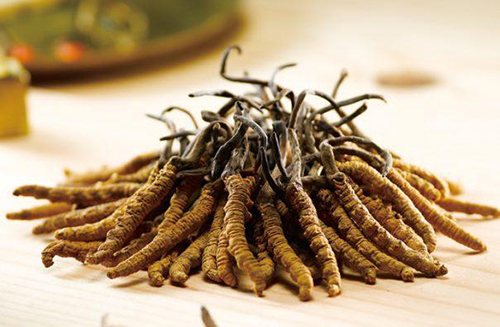
The human side is stark. Rinchen Khandu, a collector from Sephu in Wangduephodrang, spent nearly two months with his wife in the highlands digging cordyceps — the prized caterpillar fungus used in traditional Chinese and Tibetan medicine — only to walk away with around Nu 500,000 and a decision to pull his harvest from the auction rather than sell low. He noted prices were notably better last year. Regular bidder Lam Dorji, who runs Rinzang Doedjo Export, observed that patchy bidder numbers across venues weakened competition, and that withdrawals were conspicuous throughout.
Why should a traveller care? Cordyceps season is one of the most distinctive rhythms of life in Bhutan's high valleys. Each summer, whole communities decamp to alpine meadows above 4,000 metres to hand-harvest the fungus — an excursion that involves weeks of camping in harsh weather and thin air. The annual auctions in places like Sephu and Gasa are a window into an economy few visitors ever see, and a reminder that the remote highland trails trekkers enjoy are working landscapes where families stake their yearly income. If cordyceps prices stay soft, it ripples through household incomes in exactly the villages that welcome trekkers and homestay guests.
Sephu Gewog, which sold the most at auction this year (29.38 kg), sits along the Wangduephodrang–Trongsa highway and is one of the better-known collection areas; Kazhi Gewog, meanwhile, had the smoothest auction of all, withdrawing just 0.082 kg. For anyone travelling through central Bhutan between June and September, the cordyceps season — and the auction scenes that follow — offer a rare, authentic look at how a high-value natural product shapes mountain life.