The great European summer migration south is starting to reverse. With southern Europe increasingly baking through extreme heat, wildfires and water shortages, growing numbers of travellers are heading in the opposite direction — a trend now dubbed the 'coolcation'.
The numbers back it up. Northern Europe — Denmark, Finland, Iceland, Ireland, Norway, Sweden and the UK — recorded 10 per cent more visitors between April and June 2026 than the same period a year earlier, according to the European Travel Commission. One travel agent reported searches for cooler destinations up 74 per cent, and the travel app Polarsteps even launched a summer heat escape index after a survey found 35 per cent of British travellers chose a cooler destination in 2026. Wider surveys suggest around 76 per cent of Europeans say climate now shapes their travel choices.
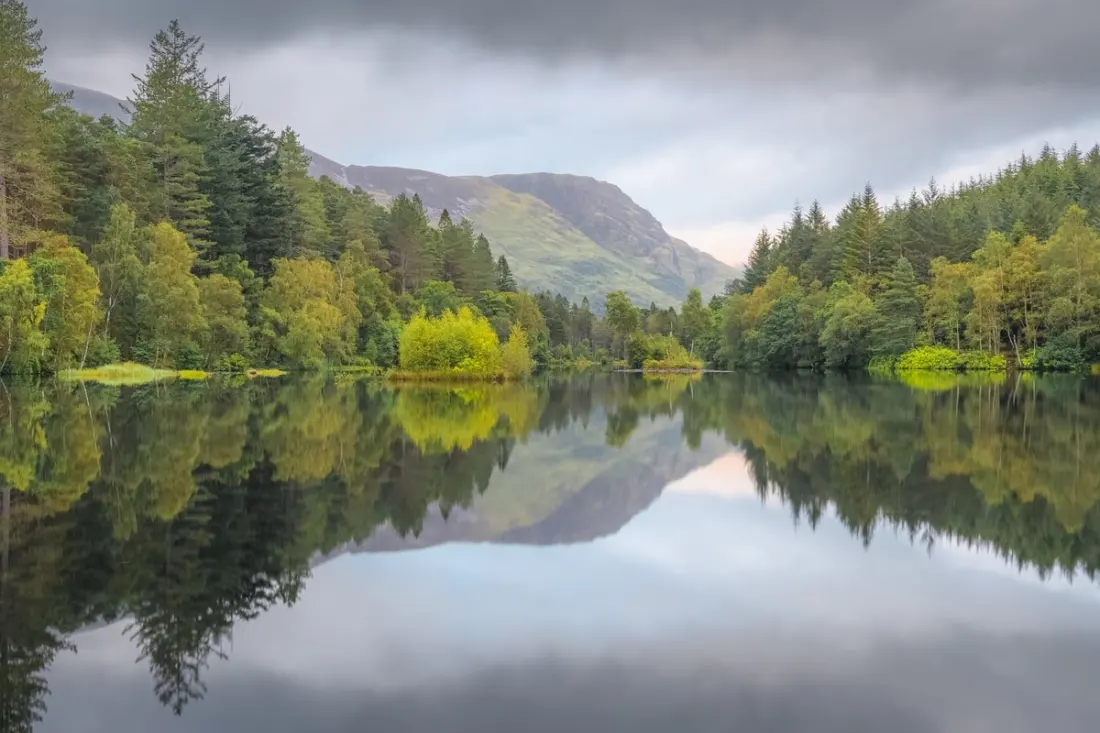
Scotland is the poster child. Flight bookings for Scottish destinations rose 15 per cent in the six weeks to mid-July while bookings for London — sweltering through a brutal summer — fell. Glencoe added a new car park in 2026 to handle the extra visitors. Norway saw international hotel nights climb 3.2 per cent to 3.39 million between May and July.
But there's a catch. Places attractive precisely because they're cool and uncrowded can quickly inherit the crowds — and the strain. Nearly half of Orkney residents and a third of Highland residents already feel tourism puts too much pressure on their area. In Rovaniemi, Finnish Lapland's winter tourism boom has squeezed housing and pushed up rents for locals. Wild and mountain environments face erosion, trampling and wildlife disturbance as footfall grows.
The destinations are responding with taxes: Edinburgh now charges a 5 per cent visitor levy on the first five nights of a stay, and Norwegian councils can add up to 3 per cent on accommodation. Expect more such measures as northern Europe braces for climate-driven demand.
For travellers, the practical takeaway is simple: a cooler summer break is genuinely more comfortable and increasingly easy to book — but go early, book accommodation ahead, and treat fragile landscapes gently. The places embracing you for your weather would rather you didn't love them to death.