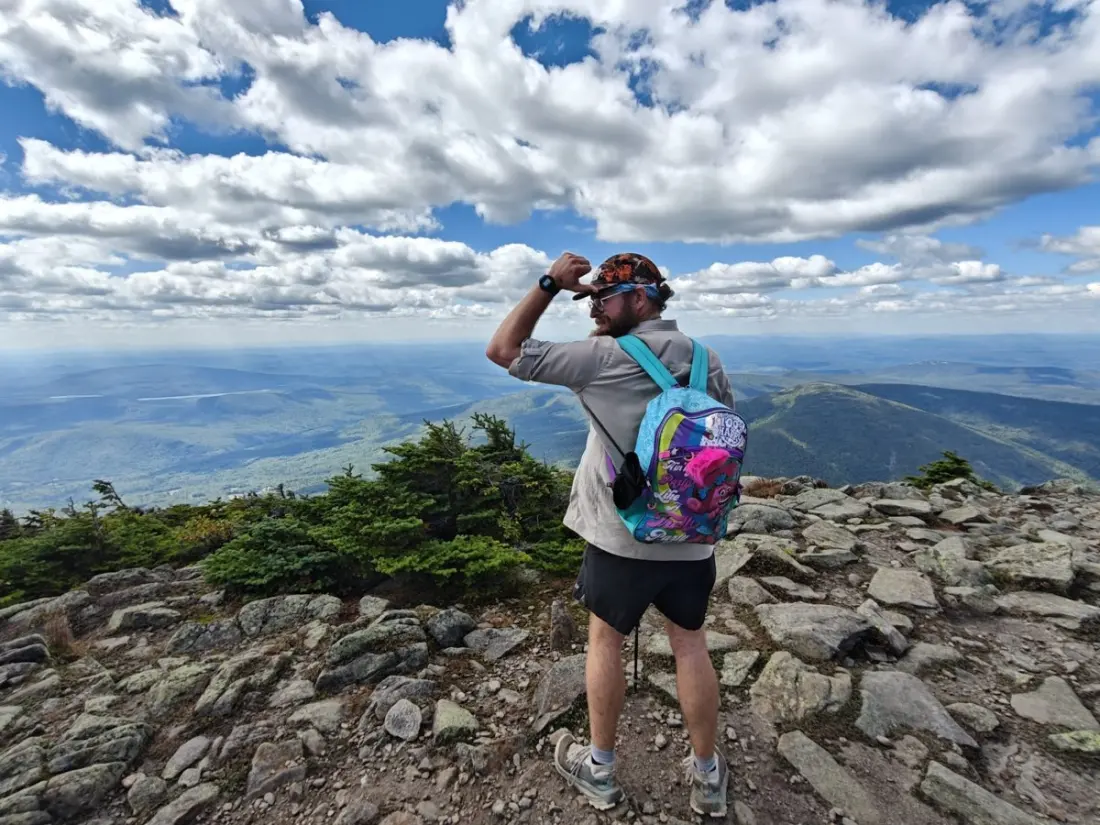
Somewhere past the 1,800-mile mark of the Appalachian Trail, a group of thru-hikers crossed into the section they'd been hearing about since Georgia: New Hampshire's White Mountains. On day 139 of their hike, they kicked things off with a 'slackpack' — a lighter day where most of their gear was shuttled ahead to The Notch hostel, letting them move faster while they gauged just how tough the Whites would be.
The first five miles ticked by easily, and with them came a milestone: 1,800 miles walked. The hikers celebrate every 100 miles as a way of keeping morale up on a trek this long — though this time, without a trail marker in sight, the celebration photo was of a patch of dirt.
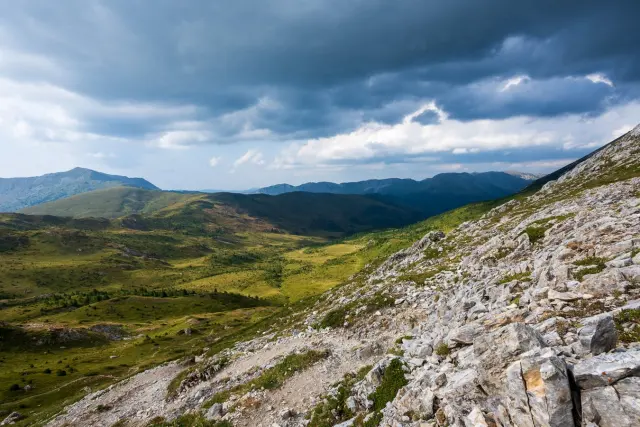
Then came Mount Moosilauke, the first real test of the Whites. The ascent is steep but steady, starting on soft dirt and turning rocky near the top. The hikers found the consistency of the climb made it manageable — the kind of elevation gain anyone who's made it 1,800 miles can handle — and the open views from the top were a morale boost after days in the trees.
The descent was a different story. New Hampshire's trails are famously rugged, and coming down Moosilauke required full attention on every footstep, dropping their pace to around half a mile per hour. Hiking as a group added to the slow going, but it also meant everyone watched out for each other on the technical footing.
They reached the bottom just in time for an evening shuttle to The Notch hostel, where the priorities were simple and universal after a long day: food, shower, laundry, bed. It's a rhythm any long-distance hiker will recognise, and a reminder that on the AT, the trail community — shuttles, hostels, and fellow hikers — is as much a part of the experience as the terrain.
Why does this matter to a traveller? Moosilauke and the White Mountains are legendary for a reason: the region offers some of the finest hiking in the eastern US, whether you're tackling a section of the AT or just a demanding day hike with a big summit payoff. The hikers' takeaway is a useful one — the climbs are steep but predictable, and it's the descents that demand respect. Good boots, trekking poles and an early start go a long way here.