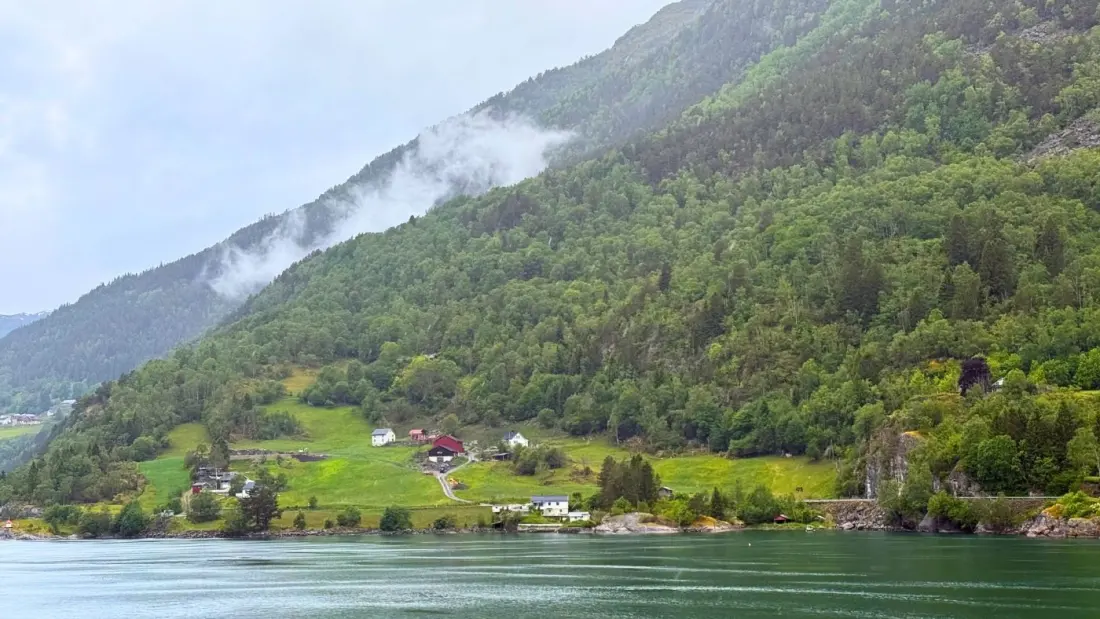
Sail through a Norwegian fjord and you'll pass hours of mountainsides, forest and empty shoreline with barely a building in sight. It's one of the most common questions cruise lecturer David Sumner gets from passengers: who owns all this land, and could you just buy a patch and build a cabin? The short answer is maybe — but not by picking your favourite spot and pouring a foundation.
First, that "empty" land is almost all owned by someone: farms, forest estates, private landowners, municipalities or the state. Norway's famous right to roam (allemannsretten) lets anyone hike, ski and camp on uncultivated land, but it's an access right, not a building permit.
Foreigners aren't shut out. Norway's land registry allows foreign nationals to be registered as owners, and buyers without a Norwegian identity number can get a D-number. But many sales trigger the konsesjon (concession) rules, where the municipality assesses the purchase, and agricultural properties carry extra restrictions.
The bigger hurdle is planning. Owning land doesn't mean you can build on it. Municipal master plans zone much of rural Norway as LNFR — land reserved for agriculture, nature, recreation and reindeer husbandry. A holiday cabin isn't an assumed permitted use there. That's why one hillside can be dotted with cabins while an identical one nearby stays empty: the planning map says so.
Waterfront plots are tougher still. Norway's Planning and Building Act starts from a presumption against new development within 100 metres of the sea, partly to keep the shoreline from being privatised. Municipal plans can override this, which is why some communities hug the water. And there's no tiny-cabin loophole either: structures up to 50 square metres can skip the normal application, but only for sheds and garages — not anywhere you can sleep.
Those lone red cabins you see under the mountains? Many predate modern planning, started life as farm or fishing buildings, or sit in areas deliberately zoned for holiday homes. Then there's the geology: fjord country faces rockfalls, avalanches and quick-clay landslides, and building regulations require proper safety assessments. That idyllic grassy shelf may fail the geologist's test.
The practical route is to buy an existing cabin or a plot already approved for holiday-home development — the zoning question is already answered. Norway has a huge cabin culture, so stock is plentiful, though road-accessible waterfront places with electricity and views command serious prices. And think beyond the view: November access, snow clearing, water, sewerage, power and mobile signal all matter in remote spots.
Who's this for? Anyone who has gazed at a fjord from a ship or road trip and wondered about owning a slice of it. It's genuinely possible for foreigners, just slower and more bureaucratic than most buyers expect — and buying beats building.