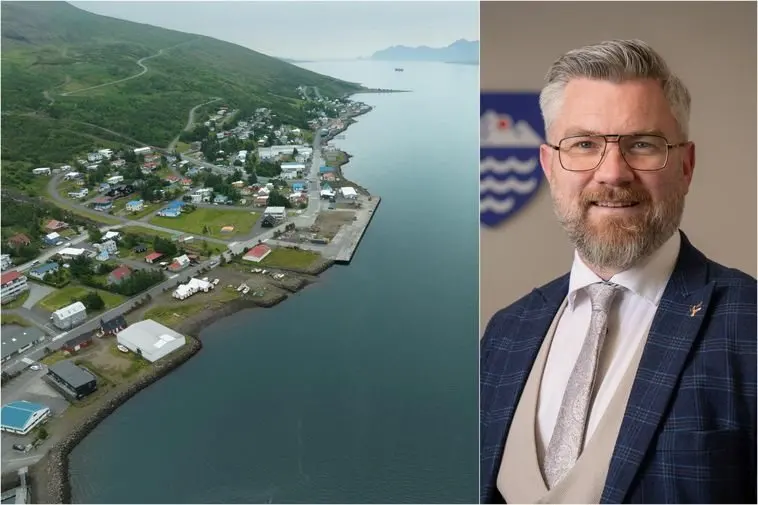
A row over policing in East Iceland could matter more to visitors than it first sounds. The executive committee of Fjarðabyggð — the municipality that includes Egilsstaðir and a string of fjord villages — has come out firmly against government plans to merge the police districts of East Iceland, South Iceland and the Westman Islands into one larger unit.
The committee wants the plans scrapped. Its resolution argues that abolishing the independent East Iceland Police and relocating senior management outside the region does nothing to fix what local communities have long asked for: more officers, better equipment and stronger border control. Shrinking the number of districts, it says, doesn't make the distances or the workload any smaller — the geography simply doesn't cooperate.
That's a fair point for anyone who has driven the region. East Iceland is vast and sparsely populated, with long stretches of road between towns, a working fishing and industrial port scene, and real natural hazards — avalanches, landslides and winter storms among them. The committee stresses the scale of industrial and port activity in the area and argues that civil protection work depends on local knowledge and decisions being made locally, not remotely.
Officials have promised that existing police stations would stay open and that an assistant police commissioner would remain in the region. The committee isn't buying it. Those assurances, it says, don't guarantee genuine local decision-making, and it wants clear answers on powers, staffing, funding and who actually runs civil protection if things go wrong. Its bottom line: East Iceland needs a strong police district with management and decision-making authority based in the region.
Why should travellers care? The Eastfjords are one of Iceland's most rewarding detours — quiet fishing villages, steep coastal roads, and far fewer crowds than the south coast. Emergency response and civil protection there depend heavily on a local police presence. If merger plans move ahead, travellers should keep an eye on how winter road closures, weather warnings and search-and-rescue coordination are handled, especially if visiting outside summer. For now, nothing changes overnight: this is a political dispute, and the committee is lobbying for the plans to be abandoned rather than restructured. Anyone planning a trip through the region this winter should simply follow the usual Iceland channels — safetravel.is and the Icelandic Road Administration — for conditions and alerts.
The debate is also a reminder of a broader tension in Iceland: centralising services in Reykjavík and the south versus keeping capacity in remote regions where distances are measured in hours, not minutes. Rural municipalities have made this argument before, on healthcare and schools as much as policing. The Eastfjords, with their growing cruise traffic and industrial ports, have a concrete case to make.
Iceland Monitor