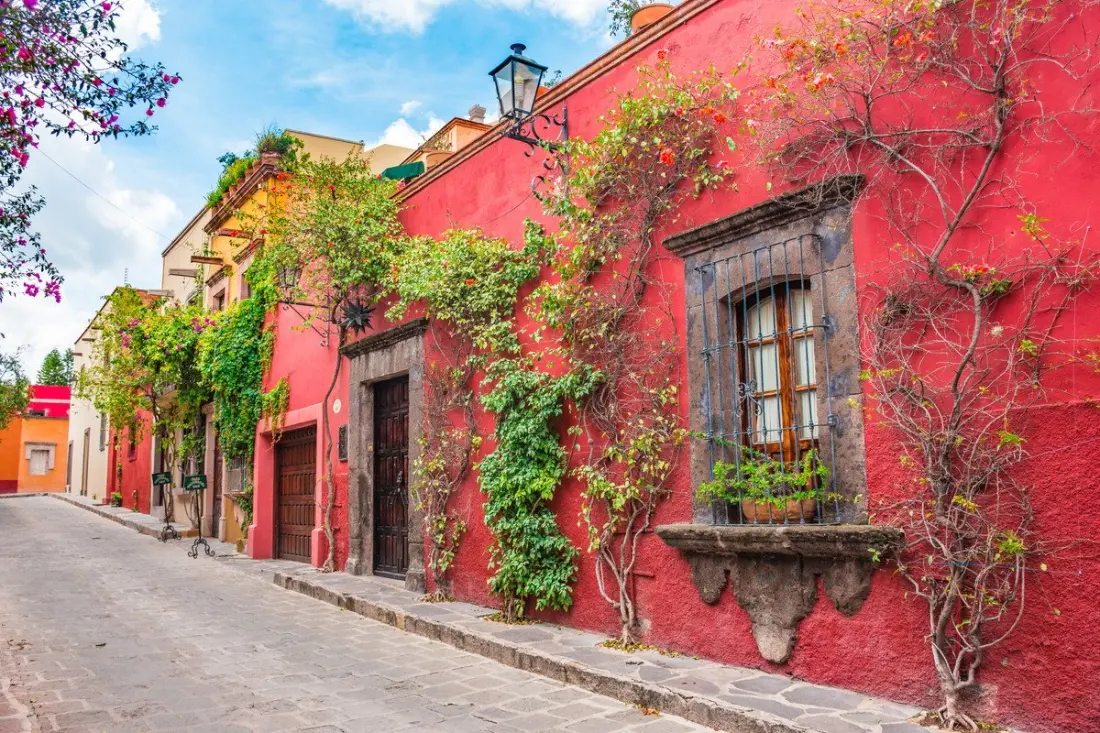
Moving into a house in Mexico — whether you've bought it or signed a lease — comes with a to-do list most visitors never think about. A new guide series from Mexperience pulls together the practical details of running a Mexican home, from water tanks on the roof to what happens when you leave the property empty for months.
The biggest learning curve is usually utilities. Water often doesn't arrive on demand the way it does elsewhere: many homes rely on a cistern plus a rooftop tank (tinaco) with a pump, so managing levels, pressure and delivery schedules is a regular chore. Drinking water typically means garrafones — the 20-litre bottles that get refilled or swapped — rather than the tap. Electricity, gas supplies and gas-fired appliances, and waste-water systems each come with their own quirks worth understanding before something goes wrong.
Household logistics get their own chapters too. Waste disposal and recycling work differently from town to town, and cooler months in highland cities like Mexico City, Guadalajara or San Miguel de Allende mean most homes need portable heaters rather than central heating — worth factoring into your energy costs. The guides also cover hiring domestic help, connecting phone and internet, and arranging home insurance, which is not as widely bought in Mexico as in the US or Europe but is worth considering.
Security is the other half of the series, and arguably the part that matters most to anyone splitting time between countries. Tips range from everyday precautions to strategies for keeping an unattended property safe during long absences — a common concern for snowbirds and part-time residents who close up the house for the northern summer. Sensible measures include trusted neighbours or caretakers, good locks and lighting, and not advertising your absence. The series sits within Mexperience's broader homestead management coverage, which also includes guides on moving house to, from and within Mexico.
Who is this actually for? Not the two-week holidaymaker. It's aimed at people making a real life in Mexico — full-time expats, retirees, remote workers on extended stays, and anyone who owns property they don't occupy year-round. If that's you, the value is in the local specifics: how services genuinely work on the ground rather than generic homeownership advice transplanted from another country. Even renters benefit, since knowing how the water system or gas supply works helps you spot problems early and ask the right questions of a landlord or building manager.
The takeaway: Mexico's day-to-day home logistics are very manageable, but they reward a bit of forward planning. Learn your house's water setup in the first week, line up a reliable domestic helper or caretaker if you'll be away often, sort insurance and connectivity early, and the usual headaches mostly disappear. For more detail, the full guides — including free newsletter updates on living in Mexico — are on Mexperience.