
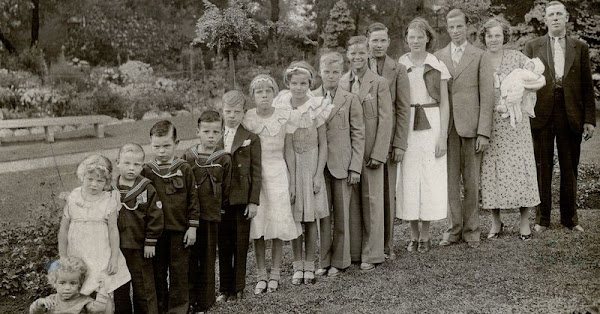
When Toronto lawyer and millionaire Charles Vance Millar died of a heart attack on 31 October 1926, he had no heirs — but he had a sense of humour, and a fortune to prove it. His will, packed with deliberately mischievous bequests, set off one of the strangest episodes in Canadian history: a decade-long baby-making competition that came to be known as the Great Stork Derby.
Millar, born in Ontario in 1854, made his money in real estate, transport and breweries, and was famous among friends for practical jokes aimed at exposing hypocrisy. His will matched the reputation. Prominent Protestant ministers who backed Prohibition received brewery shares; anti-gambling campaigners got stock in a horse-racing company; a Jamaican holiday property went jointly to men who despised each other.
The biggest bequest, though, required patience. The residue of his estate was to sit untouched for ten years, then go to the Toronto woman who had given birth to the most children in that decade. Then the Depression hit, and the stakes changed entirely — for struggling families, the prize looked like a way out of poverty. Newspapers covered the 'baby race' like sport, and moral debates raged about whether the contest rewarded childbearing for cash. Historian Adam Bunch has suggested Millar may have been satirising greed, the courts, or the era's attitudes to birth control.
The contest had drama to spare. Ontario tried to void the will in 1932 and hand the money to the University of Toronto, but public outcry killed the attempt. By the October 1936 deadline, more than two dozen families had at least eight children born in the qualifying years, and 32 lawyers crowded into the initial hearing. Judge William Middleton set a threshold: nine children under ten, born in wedlock. Pauline Mae Clarke (ten children, five fathered after a separation without divorce) and Lillian Kenny (eleven children, three stillborn) were disqualified, though each later received CAD 12,500 settlements. The rest — roughly half a million dollars — was split four ways between Annie Katherine Smith, Kathleen Ellen Nagle, Lucy Alice Timleck and Isabel Mary Maclean, each with nine children and a cheque for $110,000. For Depression-era Toronto, it was a fortune. The Timleck and Nagle families invested theirs in businesses and property, and even repaid the municipal relief funds they'd received during the worst years.
Why does a travel site care? Because it's one of Toronto's best stories — a Depression-era saga you can still trace through the city's archives and newspaper archives, and a great conversation piece for anyone who thinks Toronto is all condo towers and hockey. The Toronto Star's photo archive holds wonderful images of the winning families, and the tale crops up in local history books like The Toronto Book of Love. For visitors who like their city breaks with a side of weird history, the Stork Derby is Toronto at its most absurd — and most human.
Story credit: Amusing Planet