
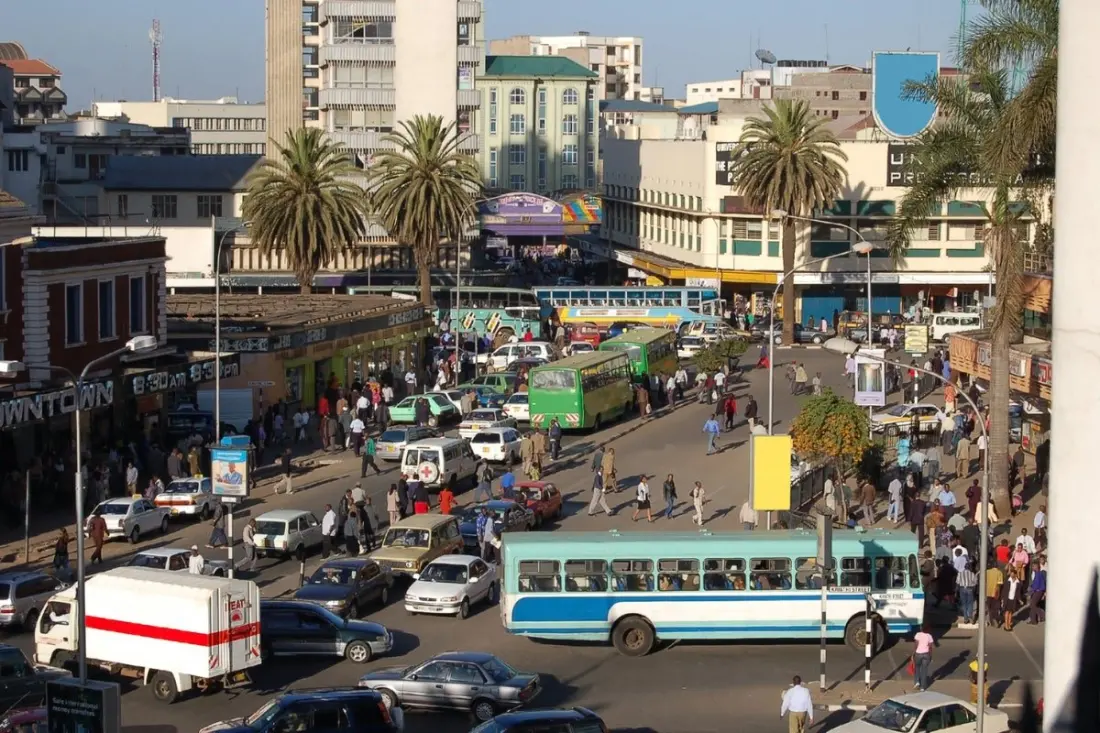
Kenya has confirmed its first imported Ebola case and a linked death connected to the outbreak centred in the eastern Democratic Republic of the Congo, putting the whole region on heightened alert. The World Health Organisation declared the outbreak a public health emergency of international concern on 17 May, and as of 3 October the DRC has recorded 8,544 confirmed cases and 4,114 deaths. Uganda reported 20 cases and two deaths in July, and France logged a single case.
The strain causing this outbreak is Bundibugyo, the rarest of the Ebola viruses, with only two previous outbreaks on record: Uganda in 2007–08 (149 cases, 37 deaths) and Isiro in Congo in 2012 (57 cases, 29 deaths). Symptoms appear two to 21 days after infection and include high fever, headache, muscle pain, vomiting and diarrhoea. There is no licensed vaccine for this strain, though early supportive care saves lives.
So should travellers change plans? The UK's FCDO already advises against all travel to the eastern DRC areas where the outbreak is centred — and going anyway could invalidate your insurance. Kenya, Uganda and Rwanda are untouched by the outbreak itself but have introduced enhanced health screening, particularly for arrivals from the DRC, Uganda and Ethiopia. Kigali International Airport is screening passengers and Rwanda has restricted its DRC border. These measures can change at short notice, so check with your airline or tour operator before flying.
Medical experts stress the actual risk to visitors is very low. Dr Richard Dawood of the Fleet Street Clinic points out there is no airborne transmission — Ebola only spreads through direct contact with the bodily fluids of someone already showing symptoms — and the risk outside the outbreak zones is minimal. The bigger practical concern, he says, is avoiding other illnesses like malaria that could be confused with Ebola, so keep up with destination-specific health advice and insect precautions.
Dr Daniela Manno of the London School of Hygiene and Tropical Medicine adds that the WHO declaration reflects the operational complexity of the outbreak, not high risk to the general public. The WHO has explicitly advised against border closures or travel restrictions, warning they could push crossings underground and hamper containment.
Tour operators are watching closely but not pulling trips. Intrepid Travel says its Uganda itineraries are running as planned with local teams monitoring the situation. Its UK director Joanna Reeve recalls how in the 2014 West Africa outbreak, fear spread far beyond the affected countries and hit tourism across the whole continent. Her message: Africa is vast, most of it is far from any outbreak, and tourism matters hugely to local communities who rely on the income.
The takeaway: if your trip is to Kenya, Uganda, Tanzania or Rwanda, carry on as planned but stay flexible at borders, expect possible temperature checks, and keep an eye on FCDO updates. The red-flag zone remains eastern DRC, which was already effectively off-limits.