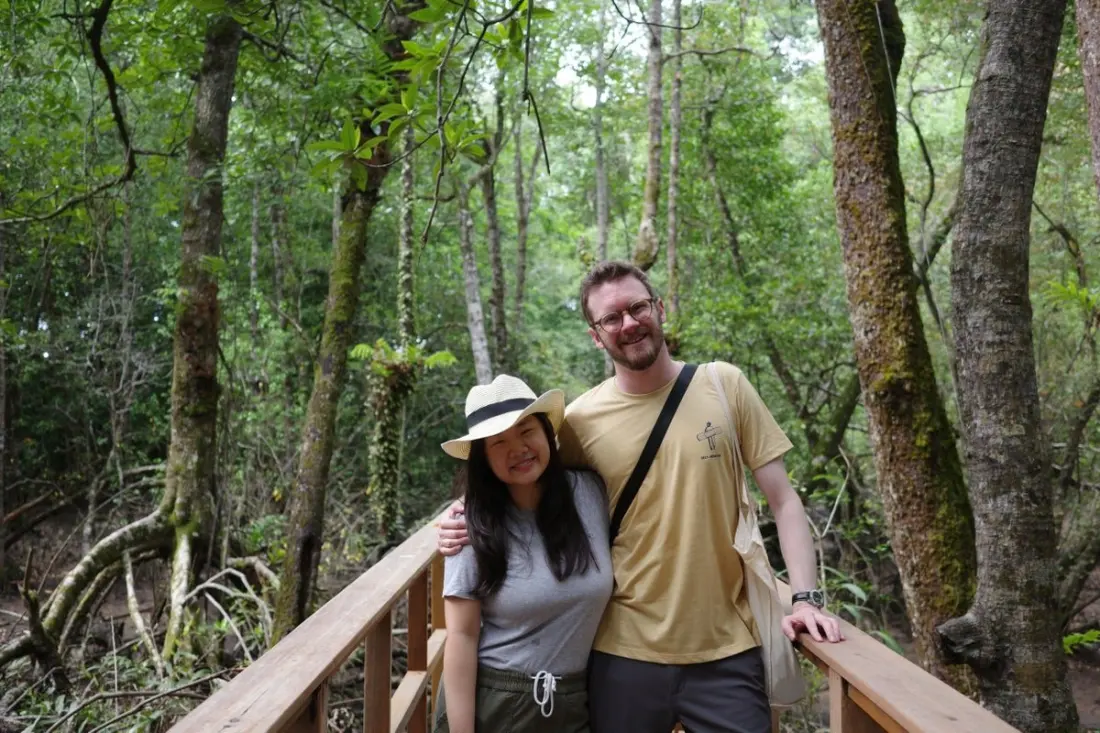
A monitor lizard strolls past your open-air spa pavilion, hornbills rustle overhead, otters scuttle across a swamp in the distance. That's not a safari lodge in Africa — it's a massage appointment at a rainforest resort on Langkawi, the 99-island archipelago off Malaysia's northwest coast that remains a blank spot on most British travellers' maps.
The geography explains the wildlife. When the Ice Age froze much of the world, equatorial Southeast Asia — then part of the landmass called Sundaland — stayed warm, giving Langkawi's plants and animals hundreds of thousands of extra years to evolve. The result is unusually mature, biodiverse rainforest on rock formations more than 550 million years old. Government money in the late 1980s turned the main island into a honeymoon favourite for Malaysians and Singaporeans, but it never registered in the UK the way Phuket or Bali did. It's an hour's flight from Kuala Lumpur.
Nature is the draw. At the foot of Mount Machinchang, guides lead forest-bathing-style walks that borrow from a local ritual called Mandi Maul Hayat — immersing yourself in morning dew or a creek on waking, right foot first for luck. Local folklore says the mountain is a felled giant, its profile still resembling a sleeping man. Dusky leaf monkeys, with white eye-rings like spectacles and neon-orange babies, are shy treetop residents worth the patience; macaques, less shy, will raid your bags.
On the east coast, Kilim Karst Geoforest Park is a maze of limestone cliffs and mangrove forest where Brahminy kites — the rust-coloured raptors said to have given Langkawi its name, roughly 'island of the reddish-brown eagle' — circle and dive to feed. Private boat charters (bookable via Trip.com) let you drift close to the mangrove roots without joining a packed tour.
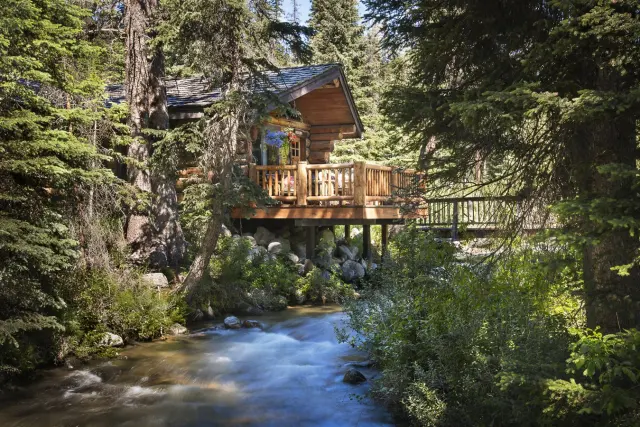
The flagship stay is The Datai Langkawi, built in 1993 by Australian architect Kerry Hill on stilts threaded through the canopy rather than clearing it. It borders Datai Bay's white-sand beach, offers free paddleboards, employs a resident butterfly specialist (Langkawi hosts 530 butterfly species — the UK has 59) and runs a conservation programme that composts, upcycles or repurposes 96 per cent of its solid waste. Canopy deluxe rooms start around £588 a night. For something livelier, Pantai Cenang in the south has tiki bars, jet skis and street food — Keladi Cafe's char kway teow, eaten on the sand at sunset, is the standout.
Why it matters: for couples after a Southeast Asian beach honeymoon that doesn't come with Phuket-level crowds, Langkawi hits the same notes — sand, sunset, spa — with ancient rainforest on top. The writer met couples who return every anniversary, eventually with kids in tow. Getting there is easier now, too: AirAsia X launched a Gatwick to Kuala Lumpur route via Bahrain in August, with returns from £423, and KL–Langkawi flights start at £49 return — worth comparing fares on an Asia-focused booking site to catch low-cost carriers like Batik Air and Firefly.