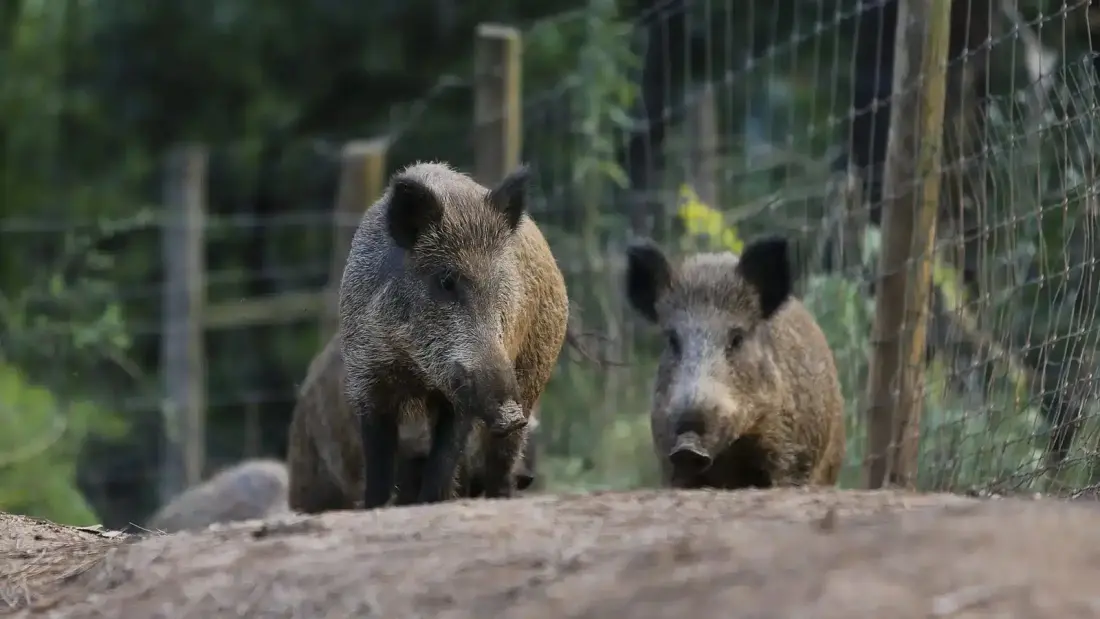
Wild boar are becoming an unavoidable part of the Portuguese countryside — turning up in farm fields, on rural roads and even on the edge of towns — and the country's main environmental NGO says the government's answer isn't good enough.
Quercus, a well-known Portuguese conservation organisation, has called for a structured national action plan to manage the growing boar population. Its complaint targets a government pilot scheme that pays hunters per animal culled: €50 for each male boar and €70 for each female, rolled out across 60 districts. Quercus argues that paying by the head rewards quantity, not results, and that there's no evidence yet of where numbers are actually excessive or whether the culls reduce the real problems: trashed crops and collisions on roads.
Instead, the NGO wants practical measures: better protection for farmland, fair compensation for farmers that actually gets paid rather than just announced, and hunting strategies based on sustainability. It also points out that anyone claiming hunting is a management tool should measure its actual effect on boar numbers and on biodiversity — not just tally carcasses. Quercus is asking whether populations will even be counted before and after the pilot project runs.
The organisation also frames the boom as partly a self-inflicted ecological problem. The Iberian wolf, the boar's main natural predator, has declined across much of Portugal, removing a natural check on numbers. At the same time, poor land management and shrinking natural habitat mean there's less food in the wild, pushing boar towards farms and urban waste areas.
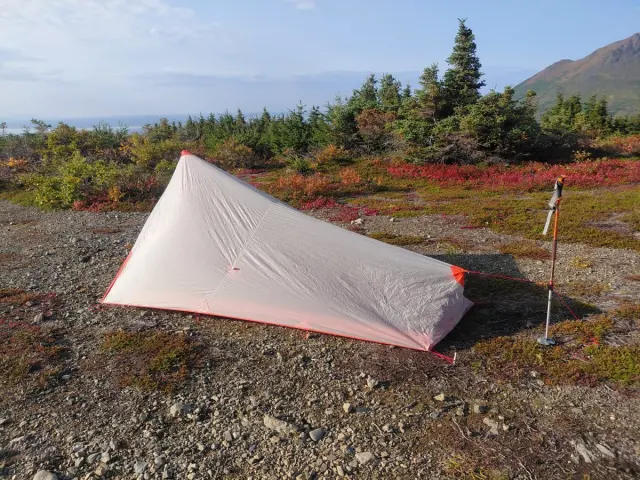
For travellers, this matters more than it might first appear. Boar are most active at dawn and dusk, and collisions with large animals are a genuine risk on rural Portuguese roads, especially in forested and agricultural regions of the north and centre. If you're driving in the countryside — particularly in autumn and winter evenings — it's worth easing off the speed on unlit roads. Hikers and campers should keep food secured and give any boar they encounter a wide berth; sows with piglets can be defensive. Farmers and rural accommodation owners, meanwhile, are the ones dealing with the damage, which is exactly what Quercus wants the government to address more seriously.
The takeaway: Portugal's wild boar issue is growing, and until a more thoughtful plan arrives, a little extra caution in the countryside goes a long way.