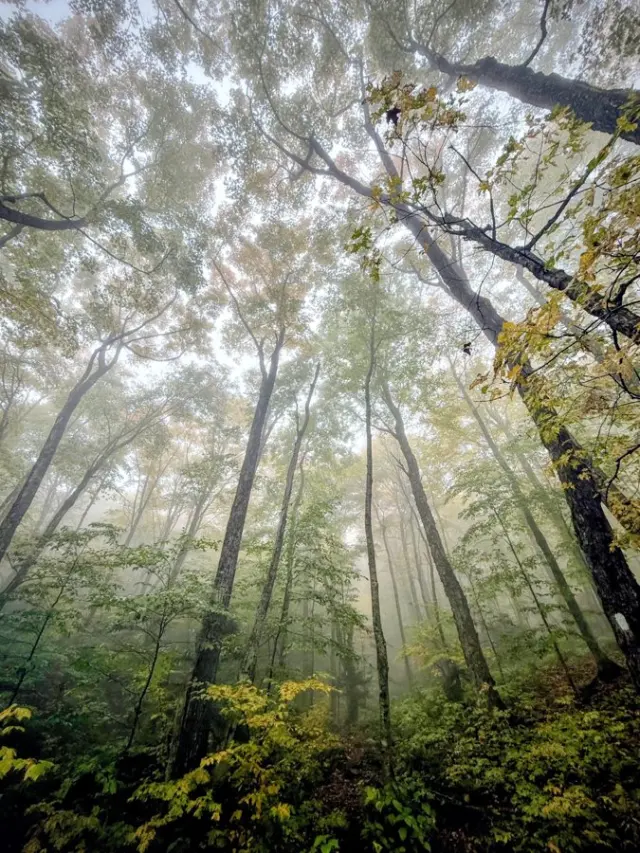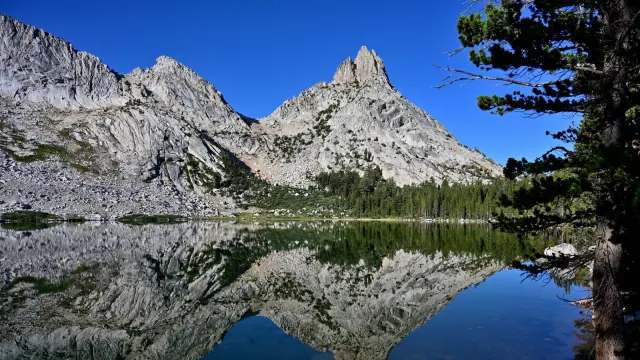
Mont Blanc has 13 ascents' worth of fame, but the town at its foot has a quieter trick up its sleeve. Saint-Gervais-les-Bains, a spa town of about 5,800 people an hour from Geneva, stays genuinely alive outside peak season — and autumn might be its best-kept secret: golden larches, empty trails and hotel prices roughly half what you'd pay in winter.
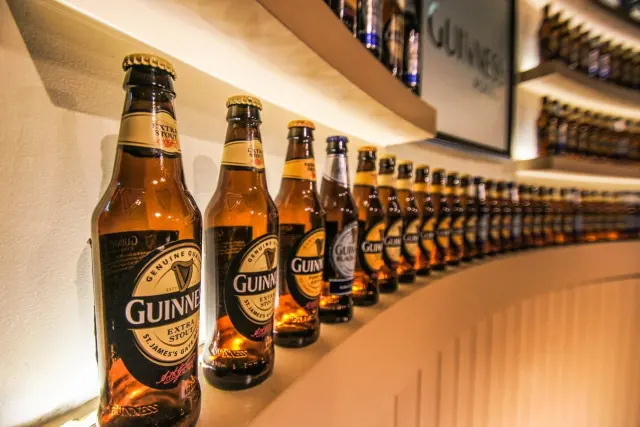
Start with the Tramway du Mont-Blanc, a cog railway running since 1909 that once aimed for the summit itself before money and glaciers got in the way. It now climbs to the Nid d'Aigle lookout at 2,380 metres, with an intermediate stop at Mont Lachat (2,115m) where the Bionnassay Glacier slides down the hillside and the Chamonix valley glows below. From the Motivon stop, it's an easy hour's walk to the Distillerie Saint-Gervais Mont Blanc — one of Europe's highest microdistilleries, at 1,365m, housed in a converted donkey shed. Scotsman James Abbott produces around 450 bottles a year of Speyside-style single malt (€95), plus a mountain gin infused with local blueberries and wild herbs (€50). Shelf brackets made from old skis; views of pine forest and valley. Bring cash for both.
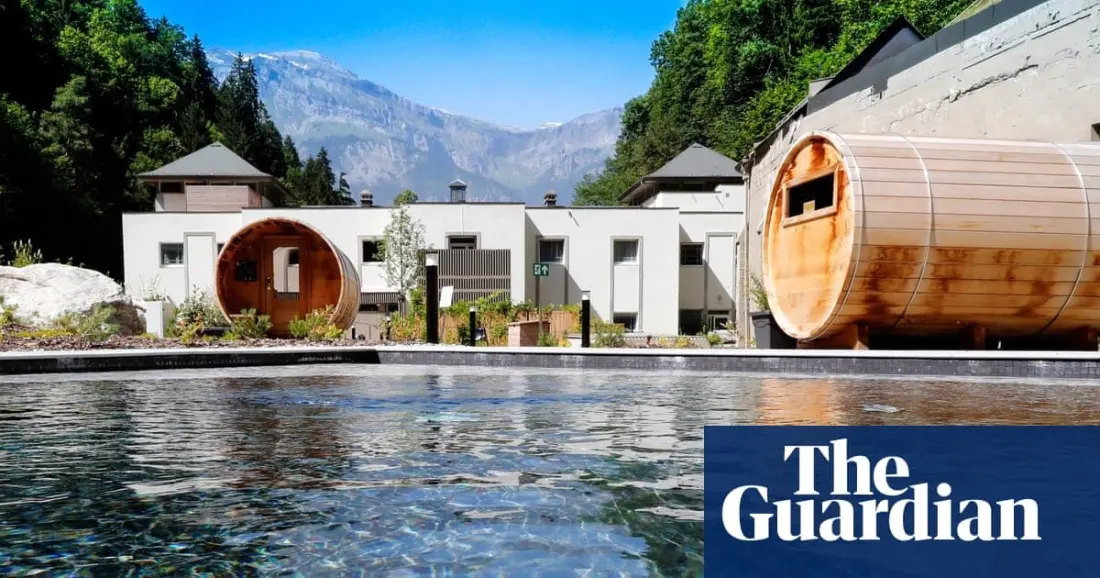
When the weather turns — and in the mountains it will — the town's oldest asset takes over. Les Thermes de Saint-Gervais have been drawing bathers since 1806, when notary Joseph-Marie Gontard found the springs. Water rich in sulphur, magnesium, calcium and zinc rises at 39C and feeds a three-hour wellness circuit: pools of varying temperatures, sauna, steam room, and outdoor jets where you can watch the gondola drift overhead. Rainstorm? Irrelevant.
Getting around without a car is newly easy. The Le Valléen gondola, opened in late 2024, links Le Fayet's train station — reachable from London via Paris by rail — with the town centre, and a free year-round bus connects the villages of the commune. Saint-Nicolas-de-Véroce is worth the ride for its baroque church alone, all blue-and-gold ceilings and frescoes. Fit walkers can continue uphill two hours to the Refuge du Mont-Joly, a century-old wooden inn serving tartiflette and blueberry tart in portions that border on the geological. Note it closes late March to late May, and again November to mid-December.
The town itself is low-key rather than polished — belle époque spa buildings, a 17th-century church, a Thursday market — and mayor Jean-Marc Peillex credits its off-season success to designing for residents first, with tourists reaping the benefit. Base yourself at the Coeur des Neiges (doubles from €108 room-only) or the cheaper Plan B at Le Fayet (from €76). Compared with neighbours Megève and Chamonix, it's friendlier on the wallet and far less likely to be shuttered once the snow goes.
For hikers who want big mountain scenery, a proper spa and a dram at altitude without peak-season crowds or prices, this corner of the French Alps fits the brief almost perfectly.