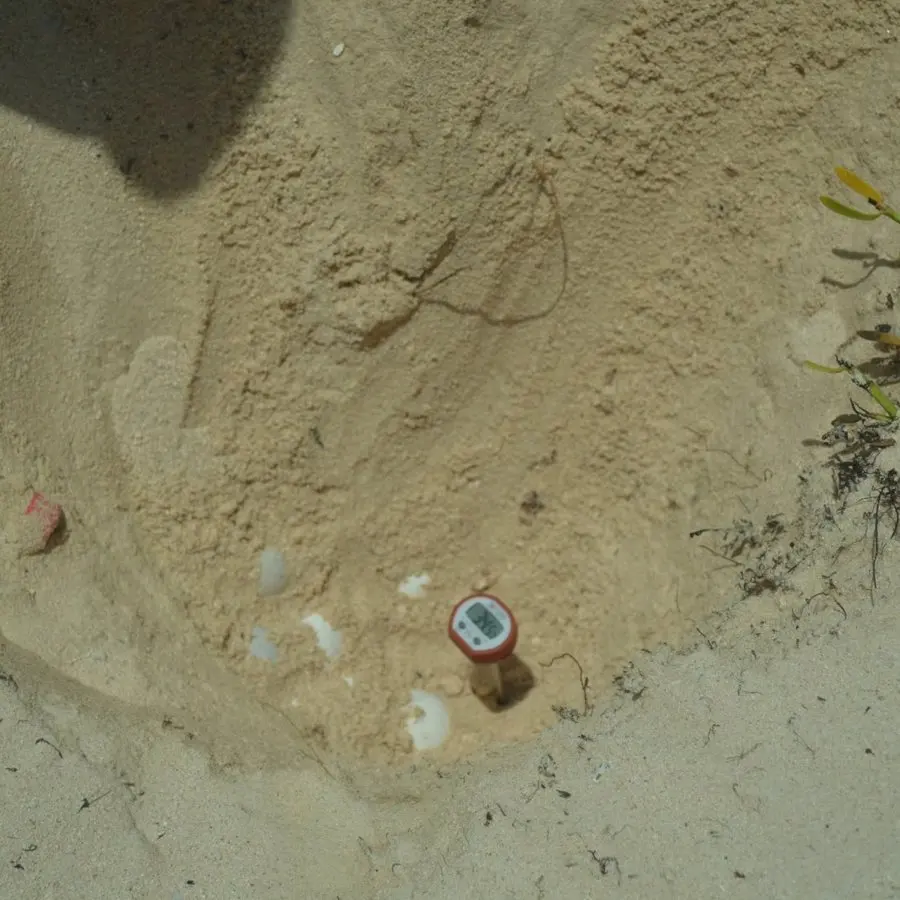
Hol Chan Marine Reserve has counted 75 sea turtle nests along San Pedro's beaches this season, according to its October 5 update. Biologists and field staff have been walking the shoreline of Ambergris Caye all season, and their work is paying off: 43 of those nests have already hatched, releasing 2,990 tiny turtles into the Caribbean.
Three species nest here. Loggerheads are leading the count with 22 nests and 1,448 hatchlings, followed by green turtles with 16 nests and 1,218 hatchlings. The rarer hawksbill has five nests so far, producing 324 hatchlings. All three species are threatened or endangered, which is why every nest matters and why the reserve puts so much effort into finding and shielding them.
The monitoring team's routine is simple but demanding: patrol the beaches, spot fresh crawl marks, mark the nests, and keep watch as hatchlings emerge. The goal is also to identify threats along the shore, because even a healthy nest can fail if conditions turn against it.
And that's where visitors come in. Hol Chan lists the main hazards as artificial lighting, beach furniture, fishing nets, garbage, off-leash dogs and vehicles driving on the sand. Hatchlings instinctively head toward the brightest horizon, which should be the moonlit sea — but a bright porch light or beach bar can send them the wrong way, straight into danger. The reserve is asking everyone staying beachside to switch off or shield lights at night, clear loungers and obstacles off the sand before sunset, keep dogs leashed near nesting areas, and keep vehicles and golf carts off the beach.
If you're in San Pedro and spot a nesting turtle, fresh tracks, or hatchlings that seem lost or disoriented, the reserve wants to hear about it — call the Hol Chan office at 226-2247 or message 614-6439 on WhatsApp. Surveys will continue until the season wraps up, and there are still plenty of unhatched nests to come.
Why should a traveller care? Because this is a rare chance to see conservation happening in real time. Ambergris Caye isn't just a snorkelling and diving hub for the Belize Barrier Reef — it's an active nesting beach, and the simple choices you make at your beachfront rental (lights off, obstacles cleared, dog leashed) directly affect whether thousands of hatchlings make it to the water. Time a trip between now and the end of the season and you might witness a nest eruption, one of the most memorable wildlife moments the Caribbean offers. Just remember to enjoy it from a distance and let the little ones find their own way home.