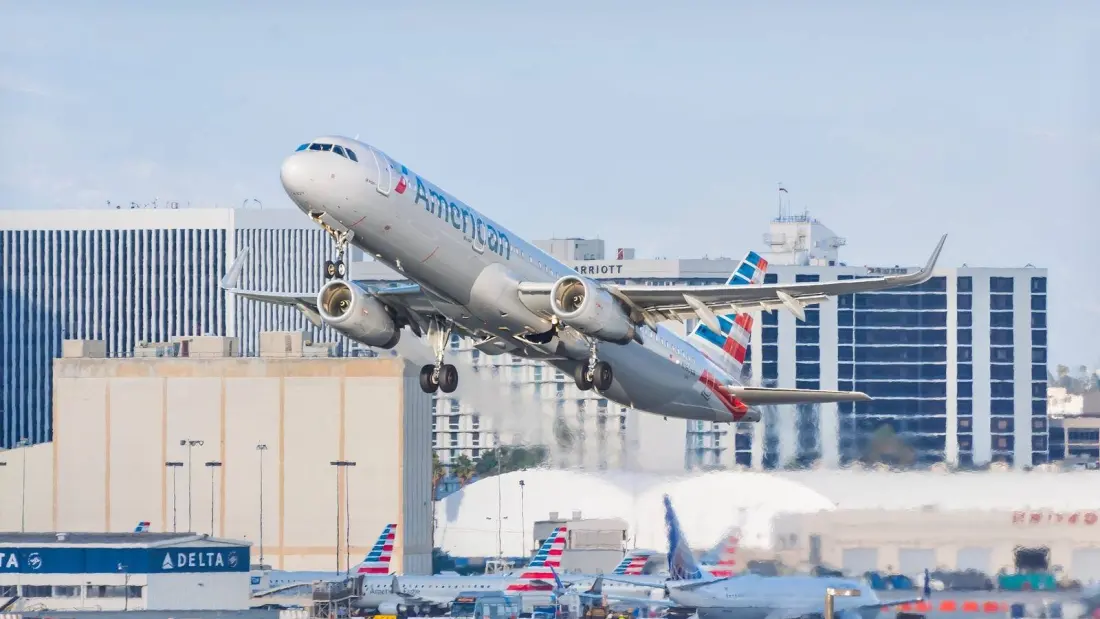
On 31 August 2015, an American Airlines flight from Los Angeles to Honolulu landed safely in Hawaii — and only after touchdown did the airline fully grasp what had gone wrong. The aircraft, an Airbus A321 registered N137AA, wasn't certified for the crossing. It was one of the few narrowbody flights over open ocean that regulators allow, and it comes with a catch: the plane must hold an ETOPS rating, and this one didn't.
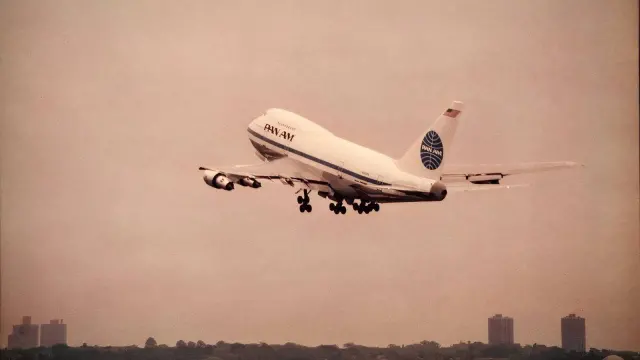
ETOPS — Extended-Range Twin-Engine Operations Performance Standards, jokingly glossed in the industry as 'engines turn or passengers swim' — dates back to the era of unreliable piston engines, when the FAA barred twin-engine aircraft from flying more than 60 minutes from a diversion airport. That forced airlines onto four- and three-engine giants like the 747 and MD-11 for any ocean crossing. As jet engines proved themselves, the rules loosened: ETOPS 120 arrived in 1985 (TWA flew the first certified 767-200ER from Boston to Paris that February), and Hawaii routes later required the stricter ETOPS 180. Crucially, the 737 family earned that rating in 1999 and the A320 family in 2004 — opening the door for narrowbodies to fly to the islands.
The August 2015 incident happened just 12 days after American first put the A321 on the LAX–Honolulu route. Its A321 fleet was mixed: a small handful carried ETOPS 180 certification while the rest — most of the 165 the airline then operated — did not. A scheduling error put non-certified N137AA on the Hawaii run. An employee spotted the mismatch while the plane was in the air, management alerted the FAA, and the jet flew back to the mainland empty. Physically, the aircraft are near-identical; ETOPS versions simply add auxiliary fuel tanks, extra medical oxygen and an additional fire suppression canister. American responded by tweaking its scheduling software so only ETOPS-rated airframes, designated A321H, get assigned to Hawaii.
The bigger story is how those rule changes transformed Hawaii travel. Carriers no longer need widebodies or thirsty trijets to reach Honolulu: Alaska and Southwest run 737s from the West Coast, American and Hawaiian fly A321neos, and even interior hubs support nonstop island flights. Breeze Airways has signalled interest too, with its A220-300s. In Honolulu, Hawaiian holds about 45% of passengers, followed by Southwest at 17% and United at roughly 15% — a market shaped so heavily by ETOPS that Hawaiian's business model, built on A330s and A321neos, simply wouldn't have worked under the old rules.
For travellers, this is why a Hawaii trip from the mainland is now cheap, frequent and available from more cities than ever. It also explains why you might board a regular single-aisle jet for a five-hour ocean crossing — and why the same-looking plane at the gate may or may not be the one cleared to go.