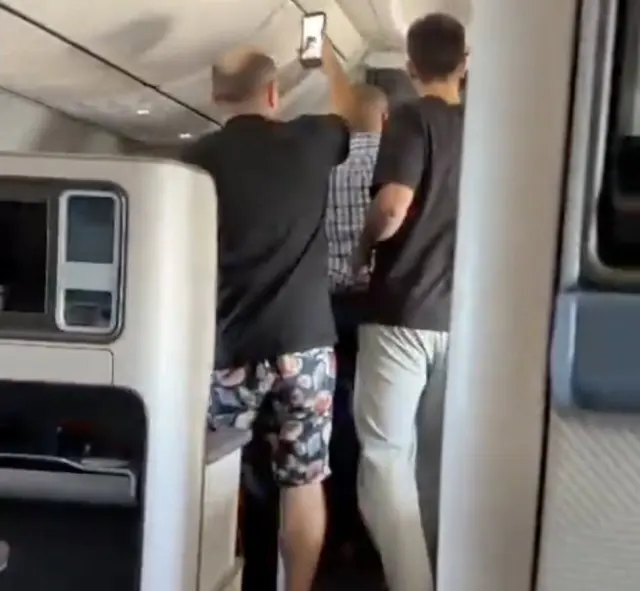
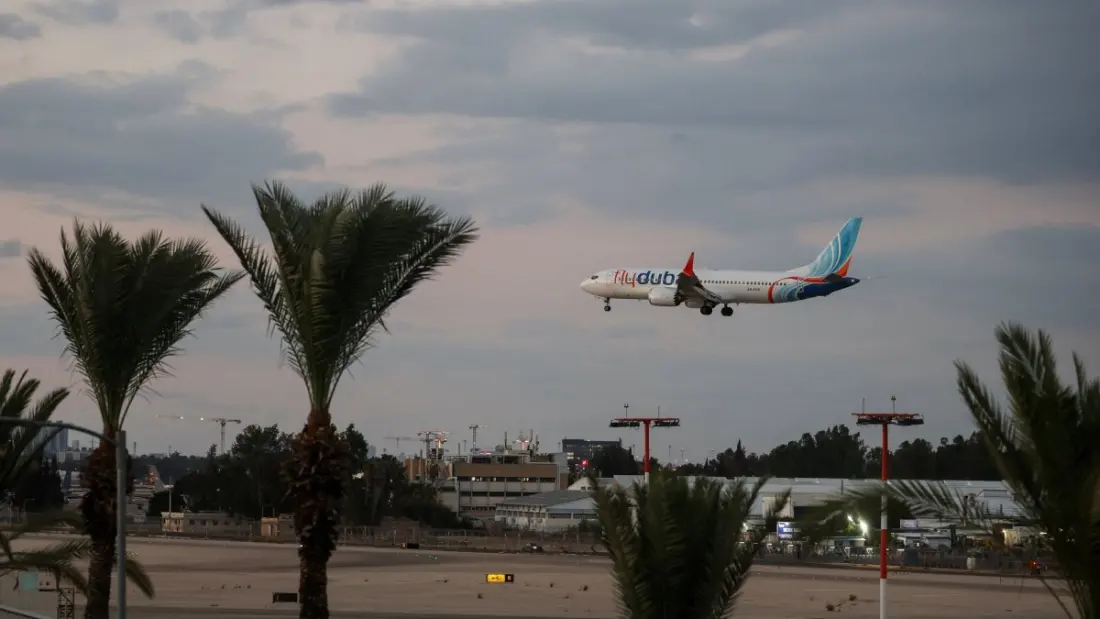
A flydubai flight from Dubai to Tel Aviv came within seconds of disaster this week after its co-pilot attacked the captain in the cockpit, sending the Boeing 737 Max 8 into a dive so severe that the rudder tore away. The plane, carrying 174 people, most of them Israelis, made an emergency landing in Tabuk, Saudi Arabia, on Wednesday.
Details are still emerging, but the outline is stark. About two and a half hours after takeoff, the Omani co-pilot stabbed the flight's Indian captain in the cockpit. The bloodied captain managed to open the cockpit door and let crew members in; trainee pilots then grappled with the co-pilot and pulled the aircraft out of a descent that dropped it from 33,000 feet to 17,000 feet in roughly a minute. Tracking data from Flightradar24 shows the plane squawking 7700, the universal emergency code, followed by 7500, which signals unlawful interference such as a hijacking.
The political fallout was immediate. US President Donald Trump told reporters that Iran may be linked to the co-pilot, saying, based on what he was hearing, the answer was yes, though he offered no evidence, and warned Tehran would be "hit very hard" if it was responsible. Israeli Prime Minister Benjamin Netanyahu was more cautious, saying it was too early to say. He noted the suspect appears to have slipped through a loophole in Israeli aviation rules, which normally bar pilots from countries without diplomatic ties to Israel from flying there — a category Oman falls into.
Saudi Arabia's Interior Ministry said its preliminary investigation, conducted with UAE security teams, found the co-pilot assaulted the captain, forcing the diversion to Tabuk. Both pilots were treated in hospital and flew out to Abu Dhabi on Thursday after medical clearance. The UAE says it has jurisdiction because the aircraft is registered there, and its investigators are examining whether the attack had a terrorist purpose. Israel will join the interrogation of the suspect. Oman's government has so far said nothing.
According to a person who heard the air traffic control recordings, the stricken jet was initially turned away by both Saudi Arabia and Jordan — reportedly while passengers screamed in the background — before being cleared into Tabuk. The head of the New Zealand flight school where the captain trained described the aircraft's survival as "miraculous", noting it was never designed for that kind of dive.
For travellers, the practical impact is straightforward: flydubai has suspended its flights to and from Israel, and Israel says it will fly home anyone stranded in Dubai. The route between the Gulf and Tel Aviv, only recently a symbol of regional normalisation, is effectively on hold. The episode also puts a fresh spotlight on cockpit security and crew vetting on international routes — a reminder that the biggest in-flight risks are rare, but not zero. Anyone booked on Gulf–Israel routings in the coming weeks should watch their airline for schedule changes and rebooking options.
Daily Sabah Travel