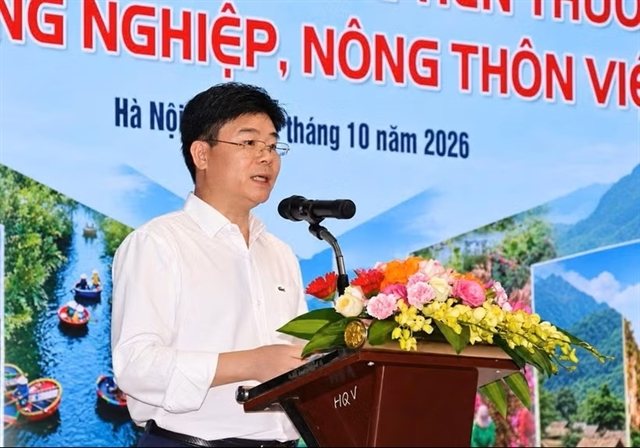
Vietnam is sitting on a huge stock of rural experiences and, according to officials and tourism experts gathering in Hanoi on October 9, it isn't using most of them. At a conference during the country's Agricultural and Rural Tourism Promotion Week, speakers argued that the One Commune One Product (OCOP) scheme — a national programme that certifies standout local goods — should be woven into tourism rather than left on souvenir shelves.
The numbers show the scale of the opportunity. As of September, Vietnam counts more than 21,000 OCOP products rated three stars or higher, produced by over 10,000 entities. On the tourism side, more than 600 rural tourism models have been developed, including nearly 400 recognised destinations. What's missing, officials say, is the connection between the two.
The problem, as Phuong Dinh Anh of the Central Coordination Office for National Target Programmes put it, is that many OCOP products are simply displayed and sold at tourist spots. The stories behind them — how fish sauce is fermented, how pottery is thrown, how tea and coffee are grown and processed — rarely become part of the visit. The fix, in theory, is to turn workshops, farms and cooperatives into destinations where travellers can watch production, try hands-on activities, taste the goods and hear the cultural history of the craft.
That's easier said than done. Doan Truong Giang of the Agricultural Trade Promotion Centre noted that plenty of localities run community tourism, craft village tours and specialty-linked trips, but many haven't converted that potential into experiences that actually make money. Too many visits still amount to sightseeing, photos, a meal and some shopping, with patchy service quality and limited cooperation between producers, cooperatives, tour operators and local authorities.
The proposal on the table is to move beyond standalone destinations toward connected, experience-based routes. One itinerary might pair a raw-material growing area with a craft village, a hands-on production session, a local meal and OCOP shopping — the kind of full-day or multi-day trip that keeps visitors in the countryside longer and spreads income more widely. Digital promotion and booking tools are also flagged as priorities, alongside clearer standards for service and benefit-sharing so rural communities see a fair cut of the revenue.
For travellers, this matters because Vietnam's rural tourism is likely to get noticeably better and more organised over the next few years: more tours where you actually make something, better facilities at family-run workshops, and routes that string several villages together instead of a single photo stop. If you're planning a trip now, the craft villages around Hanoi, the Mekong Delta's food and fishing communities, and the central coast's fish sauce and pottery towns already offer some of these experiences — you just may need a local operator to arrange the hands-on parts. Watch for new routes emerging as the memorandum of understanding signed at the conference takes effect.
Story via Vietnam News Life.