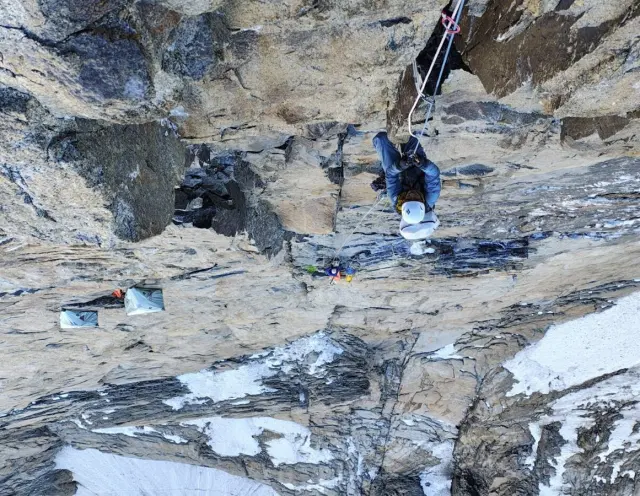
On 30 July 2026, an enormous avalanche swept down Broad Peak, the 8,047-metre giant in Pakistan's Karakoram, killing all ten climbers on the mountain at the time. The new Long Read episode of the Outside Podcast, reported by mountaineering specialist Ben Ayers, reconstructs how the disaster unfolded and the risky operation that followed to recover the bodies.
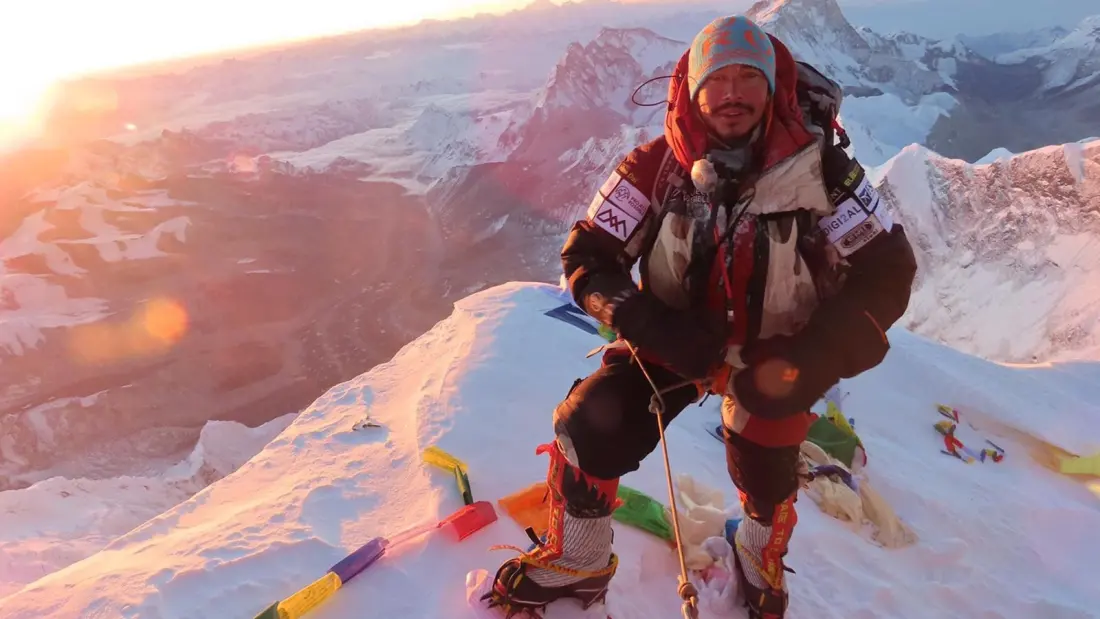
The timing could hardly have been worse. The avalanche struck while climbers from several separate expeditions were grinding their way up toward Camp III at roughly 7,100 metres. Among them were experienced Sherpa guides, international clients, and Nirmal "Nimsdai" Purja — probably the most famous name in modern high-altitude climbing, known for his record-speed ascent of all fourteen 8,000-metre peaks. Nobody survived. That mix of nationalities and expedition teams on the mountain at once is part of what makes the story so complicated to piece together, and why Ayers leaned on his contacts across the guiding industry to build a full account.
Broad Peak sits next to K2 in the Karakoram range of Gilgit-Baltistan, a region that draws mountaineers and trekkers from around the world each summer. July sits squarely in the short climbing window when weather on the upper mountain can shift brutally fast, and avalanches on the peak's broad, snow-loaded flanks are a known hazard. The episode goes beyond the accident itself to cover the recovery mission — a serious undertaking at extreme altitude, where bodies can only be moved by teams already operating at the edge of what's survivable.
For travellers, the story is a sobering look at a corner of Pakistan that most of the world only sees in passing headlines. The Karakoram is home to some of the planet's most spectacular high-mountain scenery, and trekking routes like the walk to K2 Base Camp pass directly beneath Broad Peak. Commercial adventure travel in the region has grown fast in recent years, bringing jobs and money to villages around Skardu and Askole — and more people onto dangerous terrain. Whether you're a climber eyeing an 8,000er or a trekker content to admire them from the glacier, understanding the real risks on these mountains matters. Ayers' reporting is worth hearing for anyone considering the region, and for anyone who wants to know how a tragedy like this one actually happened.