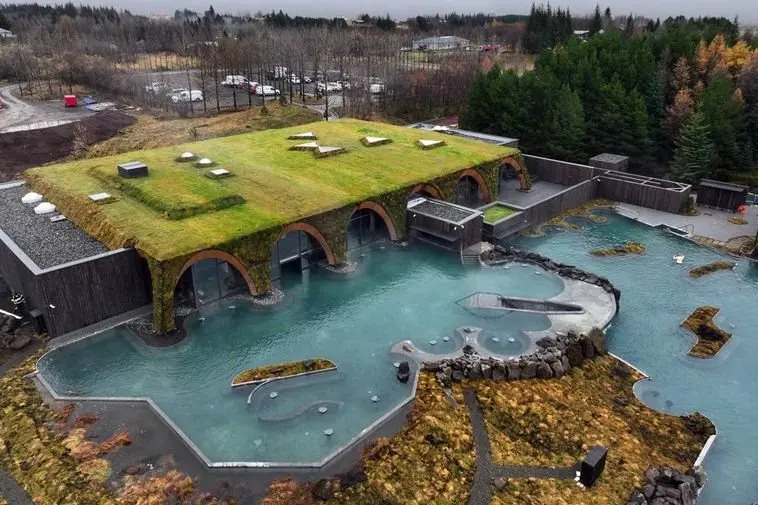
A planned jump in value-added tax on Iceland's geothermal lagoons — from 11% to 24% — is rattling the companies behind some of the country's most popular bathing spots, and one of the newest players says expansion plans are now back on the drawing board.
Bryndís Björnsdóttir, managing director of Laugarás Lagoon, told Iceland Monitor that the tax hike has prompted the company to reassess further investment at its site in Laugarás, in Iceland's south. Her concern isn't just the VAT change itself. She points to a batch of new taxes and fees landing on the tourism industry simultaneously, effectively hitting the same businesses and their guests all at once. The timing is rough for Laugarás in particular: the lagoon is less than a year into operations after what she describes as a significant recent investment in rural Iceland.
The ripple effects could reach well beyond one lagoon. Kristján Gunnar Ríkharðsson, who is preparing a geothermal lagoon and luxury hotel at Skanshöfði in the Westman Islands, says the higher tax will mean pricier tickets — and higher prices, in turn, could thin out visitor numbers across Iceland's geothermal bathing spots. His project is still going ahead: construction is due to start next year, with the lagoon and hotel pencilled in to open in 2029, on the hope that conditions will have improved by then.
Why does this matter if you're planning an Iceland trip? Geothermal lagoons have become a fixture of Icelandic itineraries, from the famous Blue Lagoon to newer, smaller entries like Laugarás that spread tourism beyond the Reykjanes peninsula and into the countryside. A tax that roughly doubles the VAT on these operations puts direct upward pressure on entry prices at a moment when many of these attractions already sit at the premium end of a trip's budget. If operators respond by raising tickets or shelving planned facilities — new pools, hotels, restaurants — travellers could face both costlier soaks and fewer options, especially outside the capital region.
There's a broader tension here for anyone who cares about how Icelandic tourism develops. The government's tax changes are aimed squarely at an industry that has boomed over the past decade, but the businesses feeling the squeeze include recent rural investments that were supposed to distribute visitors and money more evenly around the country. Whether the Westman Islands project breaks ground on schedule, and whether Laugarás pushes on with phase two, will be a useful early signal of how hard the new tax environment bites.
For now, nothing has closed and no openings have been cancelled — the Westman Islands lagoon still targets 2029, and Laugarás Lagoon continues to operate. But if you've been eyeing a soak in a new Icelandic lagoon over the next few years, expect prices to creep up, and keep an eye on which planned projects survive the re-think.