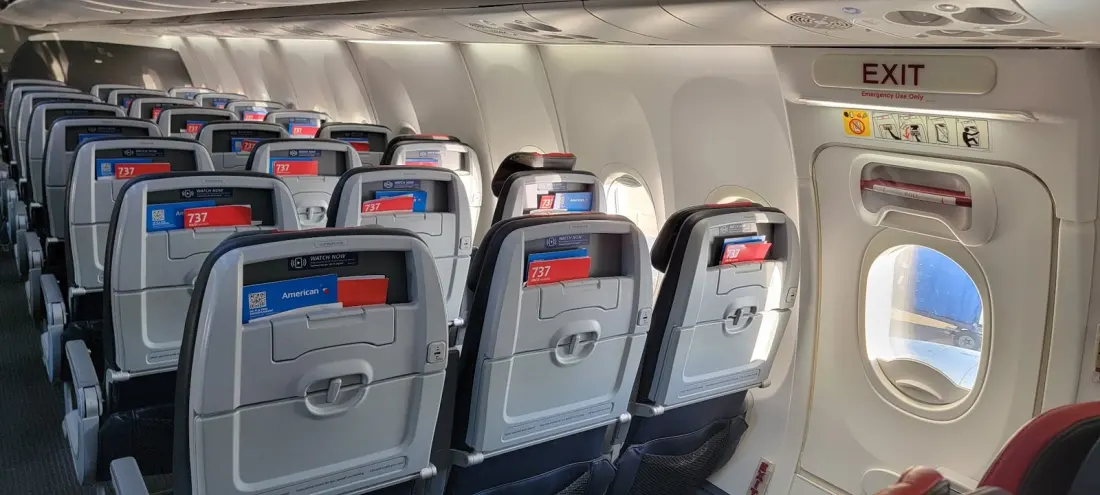
A fare gap of a few dollars between basic economy and standard economy is normal. A gap of $313 for what is, in the cabin, the same seat in the same row is enough to make even frequent flyers question the whole system — and that's exactly the example making the rounds this week.
The core gripe: American Airlines (and legacy carriers generally) now price two ways. There's the rock-bottom fare they need to post to compete with Frontier and other ultra-low-cost rivals, and there's the 'real' fare they believe they could charge if that competition didn't exist. Passengers get one or the other, with nothing in between. The result is those jaw-dropping spreads — $313 in this case, with some travellers reporting gaps of $450 or more.
Why does this sting? Because of who it hits. Airlines spend years cultivating loyalty — status perks, co-branded credit cards, the promise that your business matters. But pricing systems don't see any of that. A road warrior who has spent $50,000 on airfare in six months, or put a fortune on the airline's credit card, booking a personal family trip is treated purely as a price-sensitive customer. The message: your loyalty is worth something only when it's profitable, not as a matter of course. That, critics argue, is how loyalty programmes quietly hollow out. You're not a valued customer at the gate; you're just a fare.
Practical takeaway: always price both tiers before booking. If the difference is $20, standard economy is usually worth it for a full-size carry-on, seat selection, and the ability to earn full miles. If it's $300, even a status holder has to ask hard questions — because those benefits often aren't attached to the cheapest fare anyway.
A few other items worth knowing from the week's travel chatter: Airbnb's rating inflation has reached the point where the practical scale runs from about 4.5 to 5.0, making guest ratings nearly useless for comparison shopping — check written reviews instead. Meanwhile, a police report added details on an incident aboard a September 11 American Airlines flight from Baltimore to Miami, in which a passenger who had been drinking during a two-hour delay was accused of stripping off mid-flight before sleeping it off for the remainder of the trip. And a former Gulf carrier pricing analyst has described how airlines can legally flatter their books: charge government travellers full published fares regardless of the discounted price available that day, making subsidies look like commercial revenue to auditors.
None of these stories is earth-shattering on its own. Together, though, they sketch where travel is heading: dynamic pricing that squeezes loyal customers, review systems that have lost their meaning, and an industry increasingly adept at making its numbers look better than reality. Travellers who assume the system rewards their loyalty are the ones most likely to overpay for it.