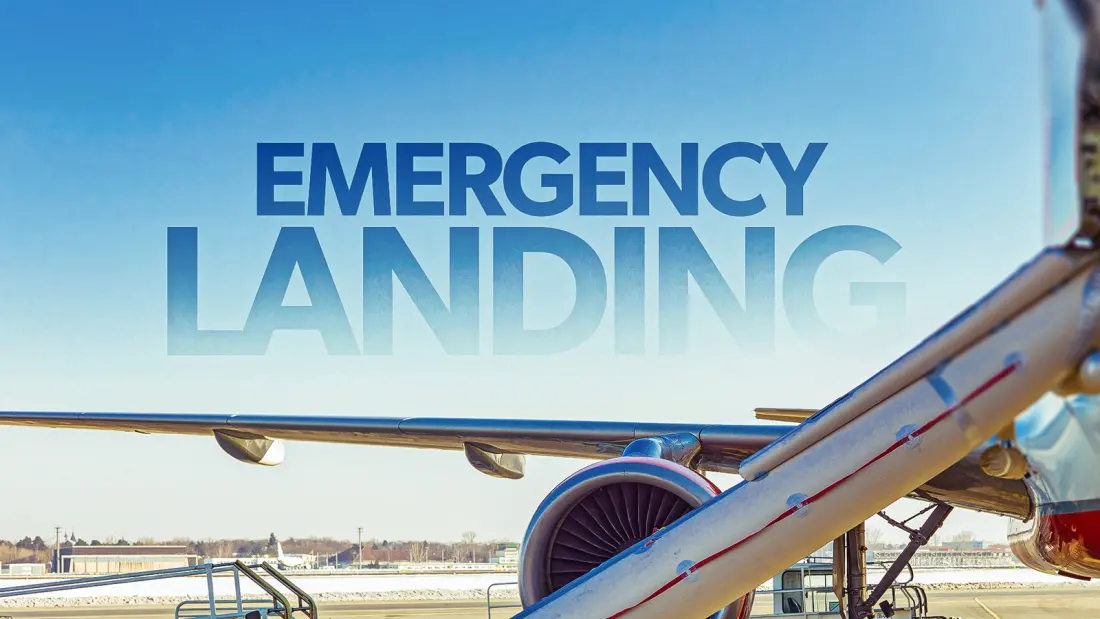
Cabin crew are onboard primarily for safety, not service, and few parts of their training are tougher than the ditching drill: the procedure for landing an aircraft on water. It is a genuinely rare event, only attempted when no runway or landing site is reachable — total engine failure, an uncontrollable fire, or running out of fuel. But when it happens, the crew's preparation is everything.
Two kinds of ditching exist. In a planned ditching, the captain has time to brief the crew using the NITS format — Nature of the emergency, Intentions, Time available, Special instructions — and the crew then brief passengers: demonstrate life vests, brace positions, exits, remove sharp objects and heels, check every vest is worn correctly. Crucially, life vests are never inflated inside the cabin. In an unplanned ditching like the 2009 Miracle on the Hudson, there is no time for any of this, so crew fall back on drilled reflexes.
The training itself comes in two halves. The cabin portion happens in a mock-up: securing the cabin, preparing flotation gear, briefing passengers. Then comes the wet drill — widely considered the hardest part of initial training. Trainees jump into water in inflated vests (inflated only after exiting, to avoid getting trapped), practise the HELP huddle position to conserve body heat, rescue a 'passenger' without a vest, board a raft, cut its mooring line with a built-in knife, and erect a canopy against simulated bad weather. Recurrent crew repeat it every three years.
The equipment is more elaborate than most passengers ever notice. Passenger vests are yellow, stored under seats, with CO2 inflation, a whistle and a light; crew vests are orange or red. Main door slides detach to become slide rafts on most aircraft (overwing slides on the A320 and 737 do not). Life rafts carry mooring lines, boarding ladders, lights and canopies, plus survival packs containing flares, mirrors, sea anchors, bailing buckets, water purification tablets, food, first aid and seasickness kits. An Emergency Locator Transmitter at the rear of the aircraft broadcasts a distress signal once activated by an assigned crew member.
History shows both how well this works and how it fails. The Hudson landing on January 15, 2009, saw a US Airways A320 lose both engines to a flock of geese minutes after leaving LaGuardia; all aboard survived after a textbook evacuation. Pan Am 6 ditched successfully in the Pacific in 1956, guided onto a foam path laid by a Coast Guard cutter — all 31 aboard survived. But Ethiopian Airlines flight 961 in 1996 killed 125 people off the Comoros after hijackers forced the fuel-starved Boeing 767 into the sea — with some passengers inflating their vests in the cabin and getting trapped when water flooded in.
For travellers, the takeaways are simple: know where your vest is, watch the safety demo, never inflate the vest before exiting, and trust that the crew calmly running through your cabin has drilled this scenario repeatedly. Ditchings are vanishingly rare — but the preparation behind them is constant.