Just days after an avalanche buried a base camp and killed 16 people on Nepal's 7,126m Himlung Himal, commercial expeditions are heading back to the mountain. More than 30 foreign climbers, guides and local staff are expected at the same camp where 15 bodies were recovered, and Nepal's Department of Tourism says 34 foreign climbers have already applied for permits.
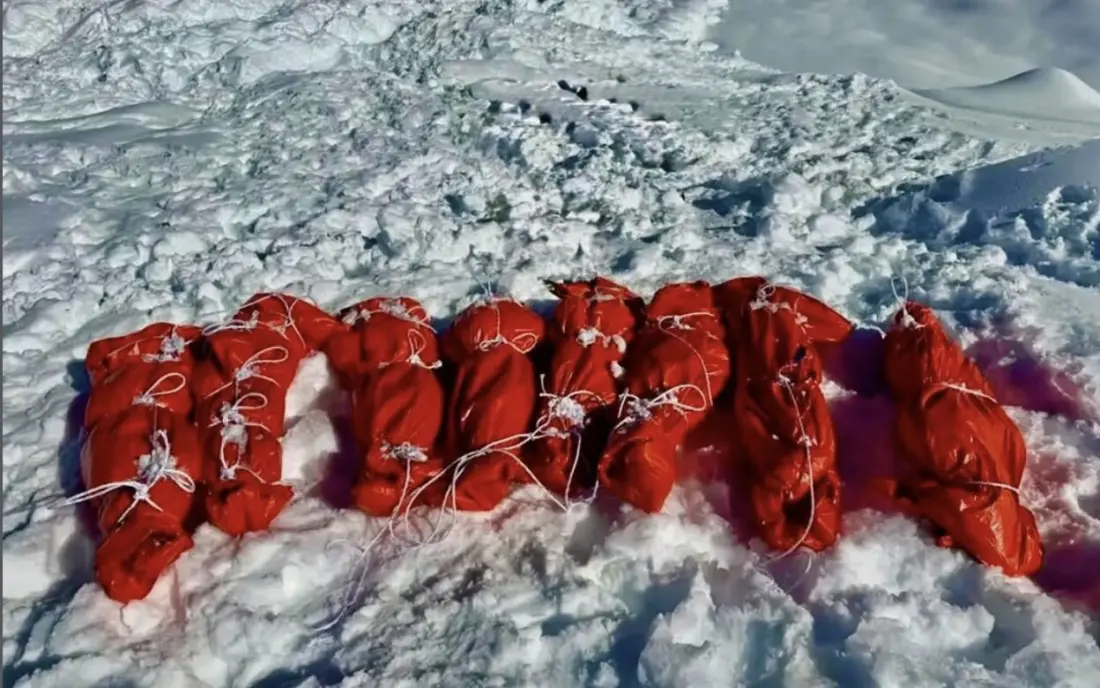
The disaster struck around 3am on September 27, when a huge avalanche swept over base camp, burying 14 Nepalese workers and two Sherpa guides under roughly four metres of snow. A rescue team assembled by Mingma G of Imagine Nepal, which lost two staff, recovered four bodies before a blizzard forced a pause. A larger team later returned at the families' request, tunnelling through the snow to bring out 11 more. One person is still missing.
The tragedy has raised uncomfortable questions within Nepal's mountaineering industry. Climbers and trekkers had been urged to retreat to town as bad weather closed in, but a large local crew stayed at camp to prepare for arriving clients. Mingma G said the workers chose to stay despite repeated warnings, but the Nepal-based outlet Everest Today has pressed for an independent investigation, asking whether commercial pressure shaped the safety decision and whether a worker's life is valued as highly as a paying client's.
Meanwhile, business carries on. Nepal's major outfitters — including Seven Summit Treks, Satori Adventures, 8K Expeditions, Pioneer Adventure, Himalayan Summit Club and Snowy Horizon — have formed a joint team to repair the avalanche-damaged trail from Koto village to base camp. Himlung was heavily marketed this year as an ideal training peak for climbers building towards a Nepalese 7,000er, experience that may soon become a requirement for an Everest permit.
Some observers note the contrast with past disasters. The 2014 Khumbu Icefall serac collapse, which killed 16 Nepalese workers, and the 2015 earthquake at Everest Base Camp, which killed 19, both halted climbing for the season after Sherpas walked off the mountain demanding better insurance and conditions. This time, new teams are moving in within a week.
For anyone considering a Himlung expedition this autumn, the mountain is officially open and operators are active — but the episode is a reminder to ask hard questions of any outfitter about weather calls, staff welfare and who stays behind at base camp when conditions turn.