
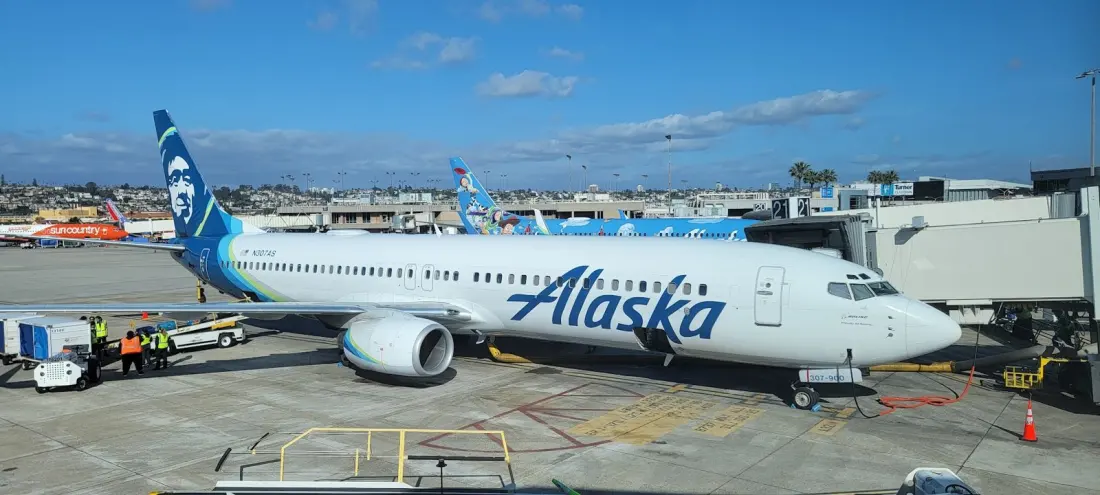
Alaska Airlines has quietly stopped repricing tickets when fares fall. Instead of getting a simple credit for the difference, travellers now have to cancel their entire booking and rebook from scratch — and a fresh report from View from the Wing shows that can leave you stranded with money the airline won't let you spend.
The change reportedly took effect around October 7. Previously, if you booked a flight and the price dropped, an Alaska agent could reprice the ticket and hand you the difference as credit. That flexibility dated back to 2020, when United scrapped domestic change fees 'permanently' and Alaska followed by dropping its own $125 fee two days later. Waiving fees was a pandemic-era trust play: book early without fearing you'd overpay.
The catch now is that cancellation isn't frictionless. One traveller who booked a December trip to Kauai watched the fare fall, was told to cancel and rebook, then discovered his Alaska Wallet credit couldn't pay for the very reservation he was replacing — because Alaska's terms prohibit Wallet funds on Companion Fare bookings. After another phone call, the airline refunded him to his original card, but not before he found credits also couldn't cover a paid seat upgrade on the new booking.
Other traps lurk in the cancel-and-rebook dance. An expired Companion Fare certificate is forfeited on cancellation, not just the one you're using — a certificate valid when you booked may have lapsed since. Canceling releases your seats, so a family's seat assignments or a confirmed upgrade aren't guaranteed to survive the rebuild. And there's no lock on the lower fare you just spotted; someone else could snap it up mid-transaction.
The contrast with competitors is stark. American, Delta, United and Southwest all still let agents reprice eligible tickets or process a change that captures the difference as credit. JetBlue is the other holdout requiring cancellation. Alaska still advertises 'no change fees' for Main and First class fares, and in pure dollar terms you can come out even — cancel a $500 ticket, spend $400 on the cheaper flight, keep $100 in credit. The real cost is hassle and risk: two extra calls, a fresh card charge while the airline holds your old money, and no guarantee the pieces of your trip reassemble.
For travellers, the practical takeaway is to price-watch quickly after booking with Alaska. If the fare drops, act before your companion certificate nears expiry and before you've paid for seat assignments you might lose. And if the savings are modest — a $40 credit, say — it may genuinely not be worth dismantling a family booking over.
For Alaska, the calculation is blunt: fewer people will bother chasing small fare drops, so the airline quietly keeps more of the original fare without technically reinstating a change fee. But the whole point of fee-free changes was giving customers confidence to book early. Make the credit too awkward to use, and some travellers will simply wait — or book with an airline that pays out fare drops without a fight.