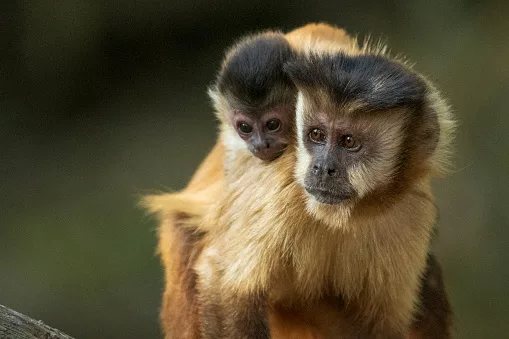
Marmosets, capybaras, matamata turtles and rare Amazonian fish are increasingly on sale in Bangkok's exotic pet markets, according to a report by Mongabay. Over the past two years, the volume and variety of Latin American species appearing in Thailand has grown noticeably — new species show up almost every time Wildlife Conservation Society countertrafficking lead Scott Roberton visits the markets, he told the outlet.
How does a monkey poached in Colombia end up in a Southeast Asian market? The route, as Mongabay traces it, starts deep in the Amazon. Wild-caught animals move along Amazonian rivers to hubs like Iquitos in Peru — described by TRAFFIC's Renata Cao as a major node for illegal commodities — before entering international trafficking networks. Fraudulent paperwork often relabels wild-caught animals as captive-bred, letting them slip through legal channels. From there, journeys to Southeast Asia can stretch past 25 hours across multiple flights and stopovers, since there are no direct routes between South America and the region. Roberto Vieto of World Animal Protection points out that these cramped, hot, multi-leg trips are brutal for the animals. The scale of the toll is stark: an EU report cited by Mongabay found that 70% of wild animals die within six weeks of capture.
The trade isn't confined to market stalls, either. Social media now connects buyers and sellers across continents, meaning a collector in Asia can order an animal from remote South America with a few messages. As researcher Neil D'Cruze put it, the stall is just the visible end of a much longer supply chain.
For travellers, the most recognisable name in this story is Chatuchak Market — a weekend institution that draws huge numbers of visitors to Bangkok. It's one of the places where exotic animals have been documented for sale, and it has faced sustained criticism over overcrowding and welfare conditions. The wildlife section kept operating even after a 2024 fire killed more than 1,000 animals. High temperatures, crowded cages, and the close mix of animals, people and food vendors also raise biosecurity worries, including the risk of zoonotic disease spread.
Why should a holidaymaker care? Beyond the obvious welfare horror, buying or even posing for photos with exotic animals abroad can feed a supply chain that empties rainforests thousands of kilometres away. Thailand has legitimate, well-run sanctuaries and ethical wildlife experiences; a Chatuchak stall with a marmoset in a birdcage is not one of them. If you see rare wildlife for sale while travelling, reporting it to local authorities or a group like TRAFFIC or World Animal Protection does more good than any purchase ever could.
The bigger picture: this is a reminder that the illegal wildlife trade is genuinely global, linking remote Amazon communities to consumer demand on the other side of the planet — and that the souvenir you walk past in a market has often travelled further, and suffered more, than you have.