A Turkish journalist spent two weeks travelling through Xiamen, Jinjiang, Hangzhou, Yiwu, the bamboo-covered hills of Mount Mogan and finally Shanghai, and her account doubles as an unusual itinerary for anyone curious about the China behind the headlines.
The route traces the career of Xi Jinping through the provinces where he served before 2012, so it's not a typical tourist trail — but it hits plenty of places travellers genuinely go. Xiamen, an island city in the Taiwan Strait and one of China's first Special Economic Zones, was once polluted and poor; it's now held up as a global example of marine restoration and ranks as the world's 13th-largest container port. Monsoon-humid and green, it's a favourite with domestic tourists for good reason.
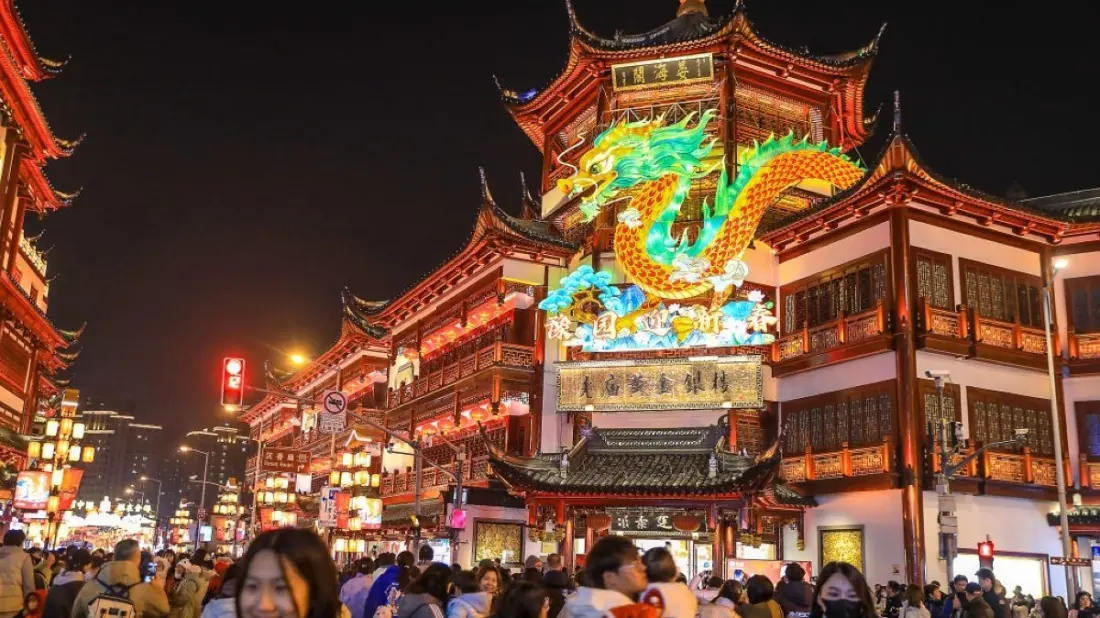
Jinjiang offers a cautionary counterpoint. Its Tang Dynasty-era old quarter, the Wudianshi Traditional Blocks, survives as a cultural enclave ringed by high-rise apartments. Shanghai tells a similar story: Yuyuan Garden and the Old City are lovingly restored, but walk a few streets over and demolition crews and construction cranes take over. For history-minded visitors, the lesson is to plan around the preserved pockets rather than expecting intact old townscapes.
Then there's Yiwu — the self-described largest wholesale market for small commodities on earth. Over 8 million square metres, 80,000 booths, 2.1 million products, and 210,000 visitors a day. The writer got deliberately lost in it for three hours and came out both dazzled and slightly numb, realising how much of the world's household clutter originates here. Even if you're not sourcing inventory, it's a spectacle; roughly 500,000 foreign buyers pass through each year.
The quieter highlight is rural Zhejiang. Since the "Ten Thousand Villages Project" launched in 2003, more than 90% of the province's villages have met "beautiful village" standards, and rural incomes have risen roughly sevenfold. Villages like Yucun and Wusi around Mount Mogan aren't quaint time capsules — they're rebuilt, modern communities surrounded by bamboo forest — but that's exactly what makes them interesting: a glimpse of a state-directed rural revival you can hike, eat and overnight in, an easy add-on to a Hangzhou trip.
The numbers behind all this are staggering: around 800 million people lifted above the international poverty line in four decades, an average 8.1% annual growth rate, and Shanghai now home to 24 million people with its Pudong district transformed from farmland to financial district since 1990.
For travellers, this story is less a guidebook than a nudge: China rewards going beyond Beijing and the Great Wall. Add Xiamen for coastal charm, Hangzhou and Mount Mogan for green escapes, Yiwu for sheer surrealism, and Shanghai for the food — the writer left missing lotus root dishes, walnut buns and steamed brown sugar cakes, and already has a list of cities for her next trip.