Croatia is pouring another €1 million into a housing scheme designed to keep young families in the countryside. Now in its third year, the programme lets municipalities with fewer than 6,000 residents apply for national funding to match what they already give locals towards buying, building or renovating a home.
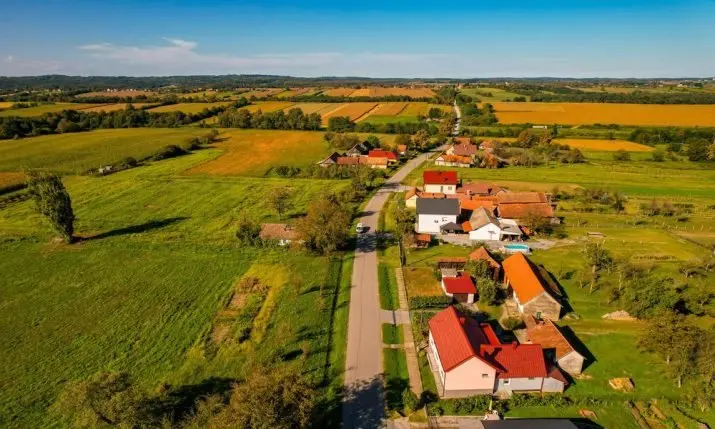
The numbers from last round show how it works in practice: nearly €1 million was spread across 88 municipalities and reached 682 young families. Hrvatska Dubica, a municipality of roughly 1,500 people on the Una River near the Bosnian border, received €11,300 and passed it on to locals — including a hazelnut-growing family who put €1,500 towards central heating.
The backdrop is stark depopulation. Hrvatska Dubica lost close to 30 percent of its residents between 2011 and 2021, according to mayor Ružica Karagić, and it's far from alone. Rural Croatia has been haemorrhaging people for years, and this scheme is one of the government's answers.
Young farmers get special attention. Agriculture Minister David Vlajčić said anyone under 41 registered for at least a year in the farmers' register can apply, with the ministry matching whatever their municipality provides.
Not everyone thinks the amounts go far enough. Željko Kolar, prefect of Krapina-Zagorje County, pointed out that €54,000 reached just five of his municipalities last year — about €1,500 per family — arguing bigger sums are needed to actually change people's decisions about staying. The government is pressing on with the same model anyway; municipalities have until 15 October to apply.
For travellers, this is a quiet invitation. Places like Hrvatska Dubica — riverside villages, hazelnut groves, borderland history — are the Croatia most visitors never see beyond the Dalmatian coast. And the scheme is nudging these communities back to life, with Karagić reporting several young families have already bought houses there. If you're drawn to countryside stays, agrotourism or small-town Croatia, the places being supported now are exactly where you'll encounter the country at its most authentic — and your spending matters far more to these local economies than it does in Dubrovnik.