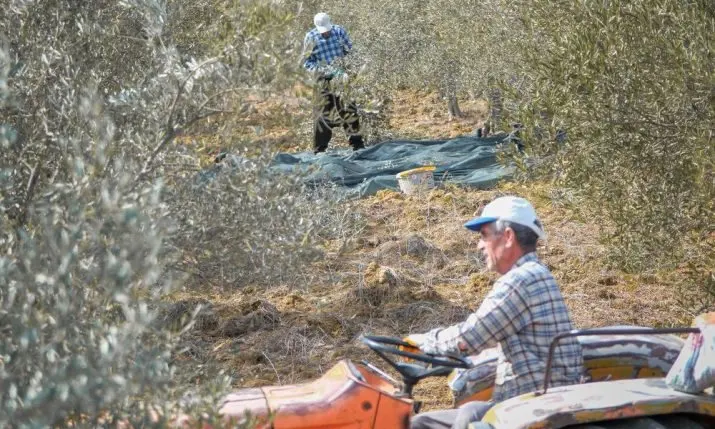
The olive harvest is underway across Istria, Croatia's leafy peninsula famous for its extra virgin olive oil. The catch this year: a long, hot, dry summer has driven up production costs, and growers say shoppers will see that in the price of new-season oil.
Growers report that the heat actually slowed the fruit's ripening in places, making the harvest trickier to time. Those with irrigation have fared best. Fabio Šimunović, who tends 120 Istrian Bjelica trees near Galižana outside Pula, says younger trees are producing around 20 kilogrammes of olives each, while older ones can yield 60 to 100 kilogrammes. Over in Rovinj, crews are working with nets and mechanical shakers, and speed matters — olives go to the mill as fast as possible to protect the quality of the oil.
There is a silver lining. Mills in the area are reporting satisfactory yields of 10 to 14 per cent, meaning 100 kilogrammes of fruit produces 10 to 14 litres of oil. Early pressings also show the hallmarks prized in Istrian oil: balanced flavour, strong pungency, and fresh green aromas, according to mill owner Sandi Chiavalon in Vodnjan.
The price, however, is another story. Rovinj grower Paolo Kalebić expects to charge between €36 and €40 per litre for his organic oil, calling it the minimum that justifies the work of organic production. Irrigation and other drought-related costs are behind the increases.
None of this has dented Istria's standing. The region has now been ranked the world's best olive oil region for the tenth consecutive year by a leading international guide, and two Istrian oils scored a perfect 100 points this year. Demand for the peninsula's premium bottles remains strong despite the difficult summer.
For food-focused travellers, this matters in a practical way. Istria's olive oil season is a great window to visit mills, watch pressing in action and taste the freshest oil you'll ever buy — but expect new-season organic bottles to command premium prices this year. Buying straight from a mill around Bale, Vodnjan or Rovinj still beats supermarket prices and doubles as a genuinely local experience. October and November, when the harvest happens, are also a lovely, quieter time to explore the region's hilltop towns and coastal drives away from the summer crowds.