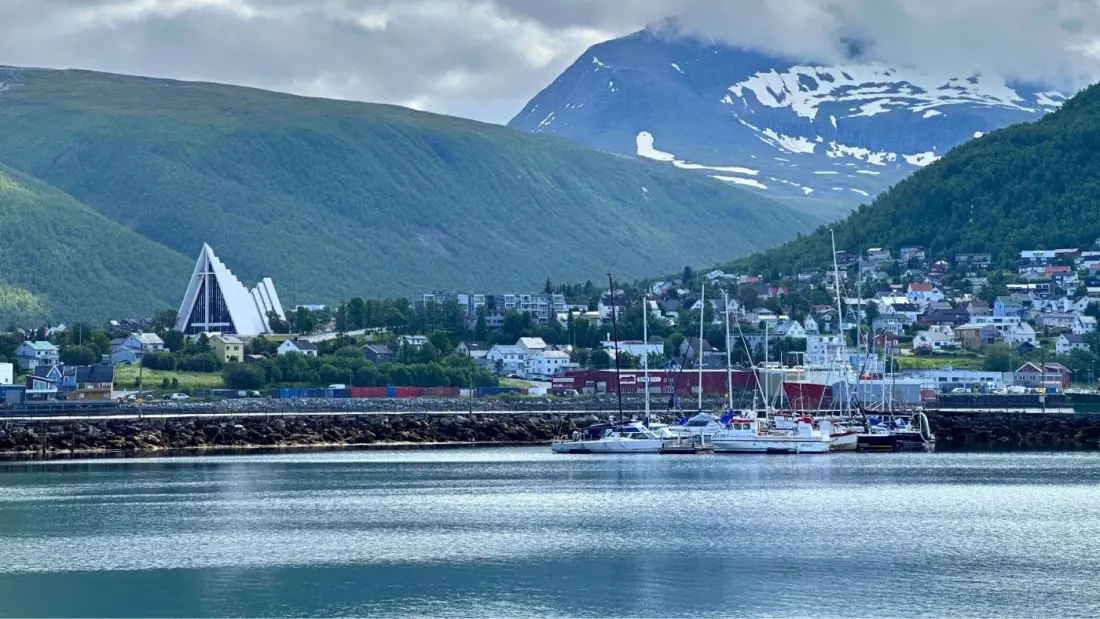
Tromsø has pulled off something rare: it turned the Arctic's darkest months into peak season. Northern lights chasers, whale watching trips, dog sledding and a growing list of international flights now fill the city all winter. In 2025 the municipality logged more than 1.3 million commercial overnight stays, up around 10% in a single year, and estimates that 12,000 to 16,000 visitors can be in town on any given winter day. For a municipality of just under 80,000 residents, that is a serious tourist load.
The strain is showing up in the housing market. A municipal analysis counted 3,915 Airbnb units in December 2025 — a 24% jump in one year — giving Tromsø one of Norway's largest short-term rental markets relative to its population. In a survey tied to the city's tourism carrying-capacity study, 91% of residents said tourism makes it harder to rent a home. The municipality now says the city's social carrying capacity has been exceeded, unusually blunt language from a place where tourism supports roughly 10% of employment.
The quirkiest symptom is a seasonal rental market for locals. Because winter is when the money is, an NTNU study found some landlords can earn more from a few months of tourist bookings than from a year-long tenant. The result: apartments advertised to residents from roughly April to October, then pulled back onto Airbnb when aurora season starts. A city councillor has even raised the prospect of locals being offered part-year contracts so landlords can keep flats free for tourists — though there's no official count of how widespread this is.
To be fair, tourism isn't the sole culprit. Tromsø is a regional hub for healthcare, education and research, with heavy demand from students and workers, and housing supply is lagging: just 251 new homes were completed in 2025 against a stock of about 42,400. House prices rose 12.2% in the first nine months of 2026, among the fastest in Norway. But tourism adds a distinct kind of pressure — a flat doesn't need to be sold to vanish from the long-term market; the owner just needs to find nightly rates more tempting than annual rent.
Solutions are slow in coming. The municipality admits it lacks the tools to rein in short-term rentals, national regulation is still under discussion, and the overnight visitor charge Tromsø has voted to introduce from 2027 will fund toilets and transport management rather than housing. The city does draw a line between residents occasionally letting out their own homes and investors buying flats purely for tourist use — a distinction likely to shape Norway's wider rental debate.
Why should travellers care? Tromsø remains a fantastic winter destination, and visitors aren't the villain here. But the city's own assessment says the balance has tipped. If you go, consider hotels over apartment rentals in the winter peak, stay longer than a quick aurora dash, and spend in local businesses — small choices that help a city keep its residents as well as its guests.