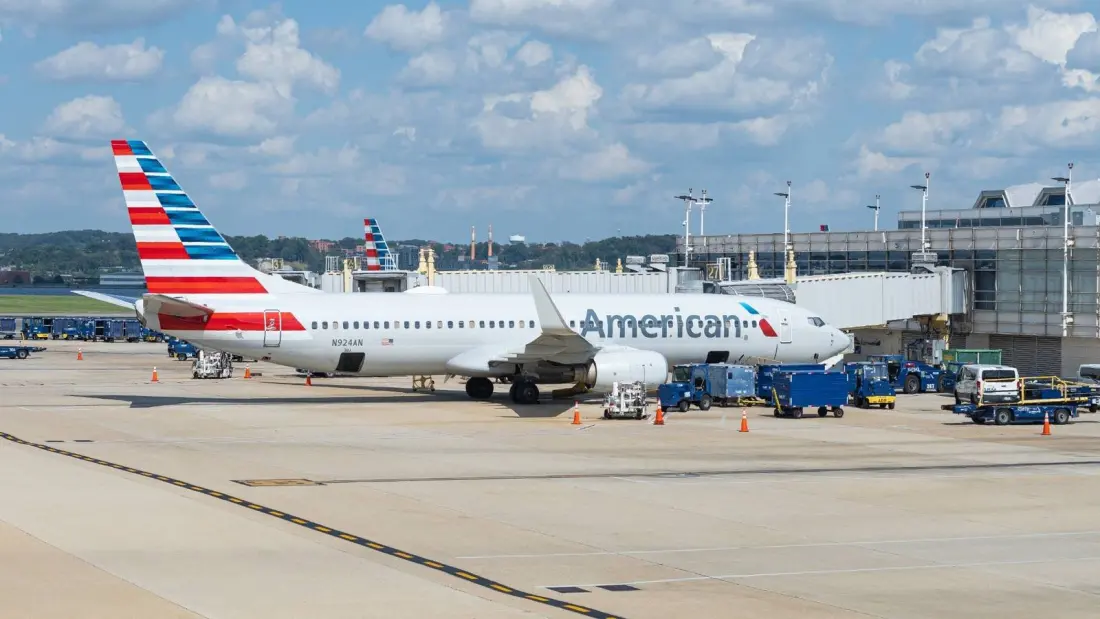
American Airlines has quietly changed one of air travel's most disliked practices. Since September 30, the carrier has operated under what it calls a "zero involuntary denied boarding mandate": gate teams must find enough volunteers to give up seats on oversold flights, and cannot close the aircraft door until they do — even if that means the flight departs late.
The directive covers both mainline and regional operations, on domestic and international routes alike. Airport managers, not just agents, now have authority to raise compensation offers without needing extra sign-off, and staff are told to announce oversales early and keep sweetening the deal until enough passengers bite. As an internal summary put it, finding volunteers is a requirement, not a goal.
Why the dramatic move? American's record on forced bumping has been poor. Its carriers logged 14,758 involuntary denied boardings in 2025 — roughly 60% of the industry-wide 24,596 — and 5,247 in the first half of 2026, while Delta recorded zero. Things were already improving: second-quarter 2026 figures showed 1,953 involuntary bumps, down 54% year on year, but the new policy makes eliminating them an explicit rule rather than a target.
The most traveller-friendly detail is what volunteers now get. American agents can confirm a volunteer on the very next departure, even when that flight shows as full in the system — a big improvement on the old arrangement where volunteers could end up on standby, watching several flights leave without them. There's no extra seat being created; the airline is simply betting that missed connections or cancellations will free up space. If the next flight is also oversold, staff repeat the process there.
The policy fits a wider industry shift since the 2017 incident in which a passenger was dragged off a United Express flight. Airlines have steadily given airport staff more power to pay their way out of oversales — American itself once reportedly offered $4,000 in vouchers on a Philadelphia–Athens flight.
For travellers, the practical upshot is twofold. If you're on a sold-out American flight, you can expect earlier announcements, bigger offers and a genuinely confirmed seat on the next departure if you volunteer — making "take a delay" a far more rational trade for flexible passengers. The trade-off is that departures may occasionally run late while gate staff hunt for volunteers, especially at peak times. And for anyone who never volunteers, the assurance that a booked seat won't be auctioned off against your will is its own kind of comfort.