
Every Colombian family seems to carry the same inherited rulebook: never shower right after eating, don't walk barefoot with hot feet, guard babies against the evil eye, and whatever you do, avoid sitting on a warm bus seat someone else just vacated. A recent feature from Colombia One sorts through these beloved abuela warnings, separating harmless folklore from advice with a real basis — and from remedies that can genuinely cause harm.
Plenty of the classics don't survive scrutiny. Headstands don't flood your brain with blood; a small study actually found decreased blood flow through the internal carotid artery during the pose. A seed dropped in a child's ear will not sprout into a plant, though any foreign object deserves a doctor's visit. Bathing after a meal carries no established medical risk, the American Red Cross says swimming within an hour of eating doesn't raise drowning risk, hot barefoot walks don't cause bunions, and per the CDC you can't catch genital herpes from a warm toilet seat — or a bus seat.
Some warnings, though, are smarter than they sound. The anxiety about sudden hot-to-cold transitions has a kernel of truth: rapid cooling constricts blood vessels and has been linked in medical reports to coronary spasms, which matters for anyone with cardiovascular conditions. The lollipop rule is really just basic physics — running with a hard candy in your mouth is a choking and injury hazard if you fall.
The genuinely risky remedies deserve the most attention. Lemon juice applied to dark skin spots can trigger phytophotodermatitis when combined with sun exposure, leaving blisters and new pigmentation behind. Coffee grounds and spiderwebs on wounds introduce contamination into what should be cleaned and dressed. The viral garlic-in-the-navel weight loss trick has zero evidence behind it. And urine therapy — drinking it or applying it to wounds and ears — is firmly rejected by Poison Control, which notes urine is not sterile.
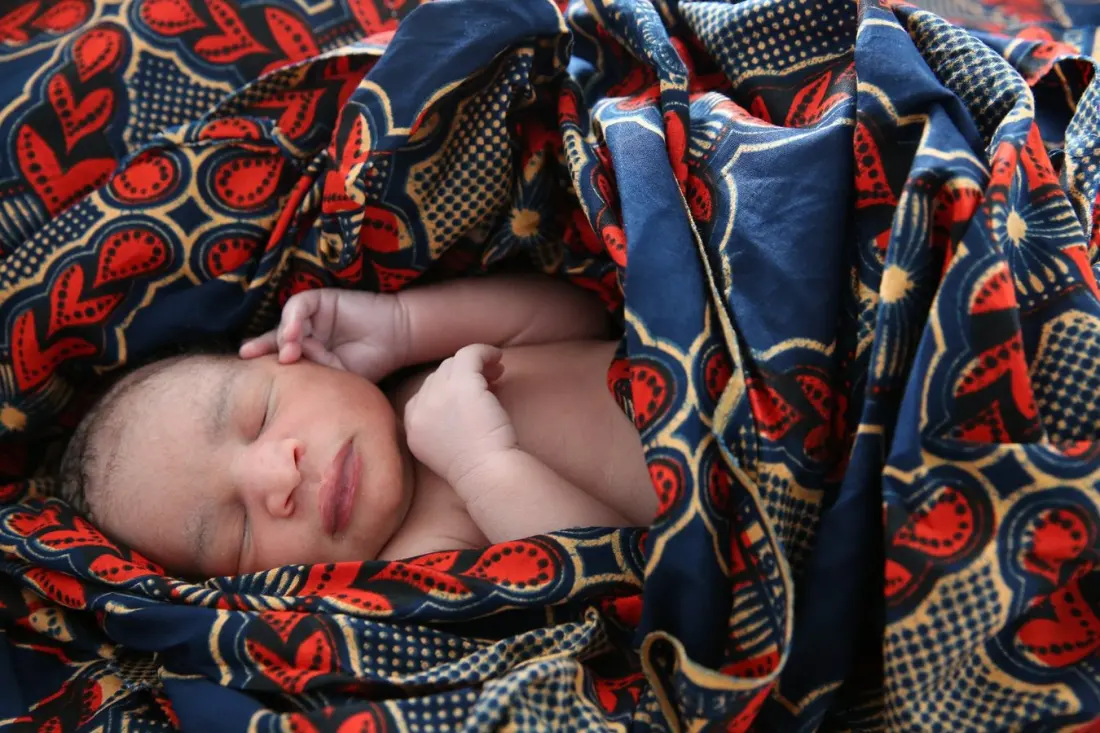
Baby traditions get a nuanced read. Swaddling, or fajando, is fine if the hips and legs can move freely, but tight wrapping is discouraged and swaddling should stop once a baby tries to roll over. The black azabache charm worn against mal de ojo has no proven medical effect, though it remains a meaningful piece of cultural heritage. Breast milk's real benefits — antibodies, fewer ear infections — don't extend to pouring it into an aching ear.
For travellers spending time with Colombian families, this folklore is living culture, not museum trivia. You'll hear it at lunch tables in Medellín, on buses in Bogotá, at family pools on the Caribbean coast. The polite move is to respect the tradition while knowing which advice matters: when a real symptom appears — a feverish baby, a wound, persistent pain — modern medical care wins over any home remedy.