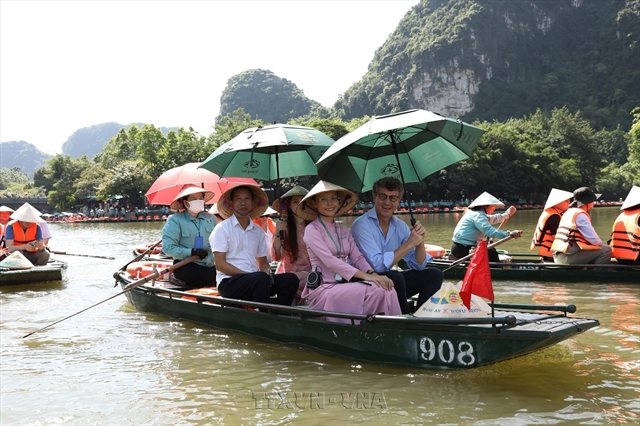
A UNESCO delegation spent October 1 touring the Tràng An Landscape Complex in Ninh Bình province, northern Vietnam, and the ripple effects could shape how visitors experience this corner of the country in the years ahead.
The visit ran alongside the Asia-Pacific Dialogue on Heritage and Authenticity, a gathering that drew heritage officials from across the region. Among those on the ground were Jonathan Wallace Baker, UNESCO's Representative to Vietnam, plus experts from the World Heritage Centre and the UNESCO office in Hanoi, alongside Vietnamese ministry officials and provincial leaders.
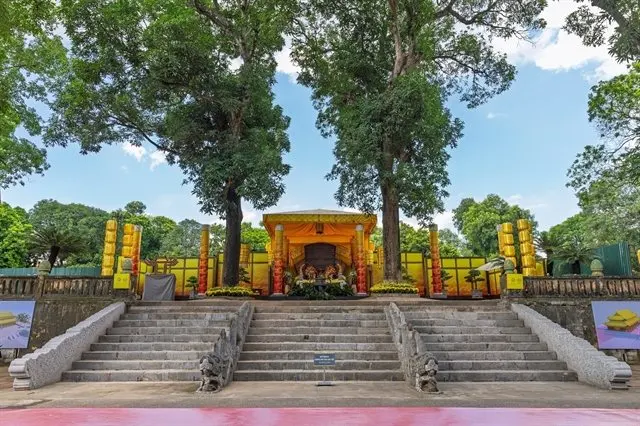
Tràng An was already a big name before the delegation arrived: it holds UNESCO World Heritage status as a mixed cultural and natural site, famed for its forested limestone towers rising out of a web of rivers and flooded valleys. The delegates watched a presentation on how the site balances conservation with local livelihoods — a key theme, since tourism here supports boat rowers, guides and village businesses across the province. Then came the classic Tràng An experience: a boat tour gliding between the karst cliffs, the same slow-water journey that has made the complex one of northern Vietnam's most photogenic day trips.
The trip wasn't only about celebrating what's already listed. Delegates were briefed on early work towards a nomination dossier for the Vân Long–Kim Bảng–Tam Chúc Sanctuary, a bio-cultural landscape that is home to Delacour's langur, one of the world's rarest primates. The day before, on September 30, the same group had visited the Tam Chúc Landscape Complex, a vast lake-and-temple area that pairs cultural sites with significant biodiversity.
For Ninh Bình, the visits doubled as a soft tourism pitch. Provincial officials used the opportunity to frame the area as an international destination for heritage, culture and nature travel, and to showcase their model of managing heritage in partnership with local communities. Stronger ties were also cemented between the province, Vietnam's National Commission for UNESCO and the wider heritage world — relationships that often matter when new nominations move forward.
Why should a traveller care? Because a UNESCO spotlight usually means better-signed trails, improved boat operations and more investment in visitor facilities — but also a push to go soon, before crowds catch up. Ninh Bình sits roughly two hours south of Hanoi, making it an easy escape from the capital, and it packs in far more than Tràng An alone: the ancient capital of Hoa Lu, the rice-field boat rides of Tam Cốc, the Múa Cave viewpoint and the langur-spotting wetlands of Vân Long. If the Tam Chúc–Vân Long nomination progresses, expect these quieter neighbours of Tràng An to climb the itinerary lists fast. Right now, they remain pleasantly low-key — Vân Long in particular offers the karst scenery with a fraction of the boats.