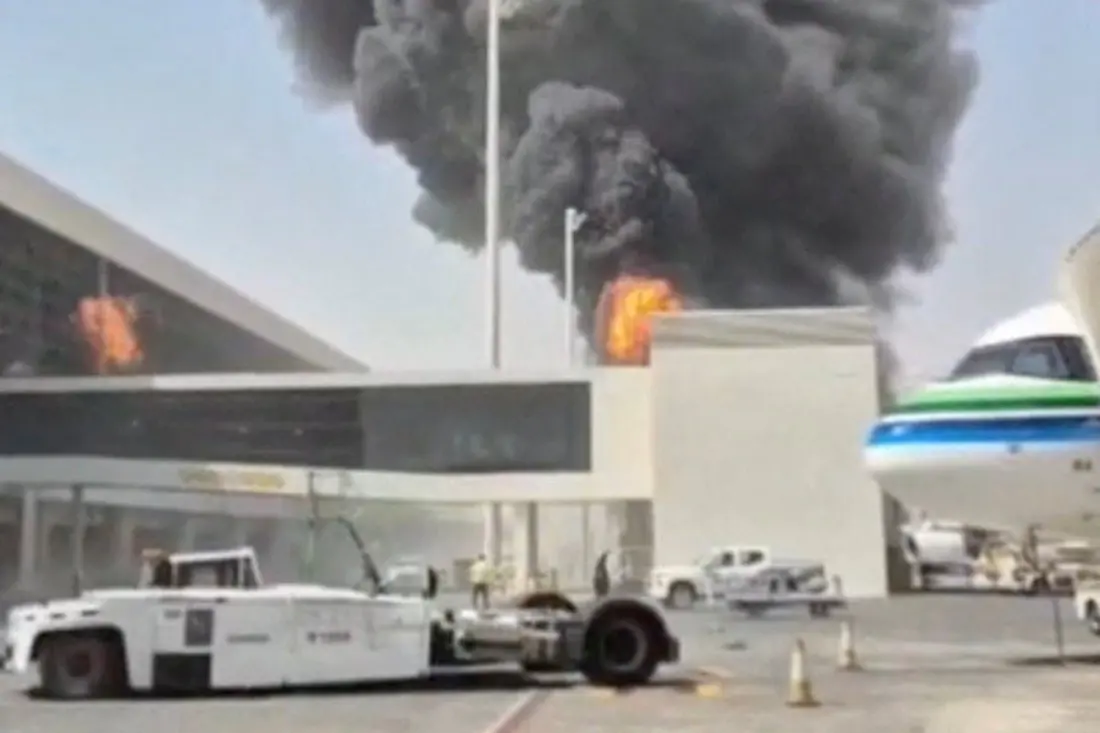
Riyadh's King Khalid International Airport was targeted by a ballistic missile on Thursday 8 October, according to a claim by Yemen's Iran-backed Houthi rebels. Reuters reported that a parked Saudia Airlines aircraft caught fire and was badly damaged. Saudi Arabia did not immediately comment on that specific claim, but earlier in the week confirmed one death in a strike on Riyadh airport and two more in an attack on Abha airport in the country's southwest.
Within hours, the UK Foreign Office (FCDO) rewrote its advice. It now warns against all but essential travel to Riyadh province — including the capital itself — as well as Aseer, Najran and Jizan provinces, the city of Taif and Taif International Airport. All travel remains off-limits within 10km of the Yemeni border. Notably, Jeddah, Mecca and Medina currently carry no advisory, so the Red Sea coast and the pilgrimage cities are technically unaffected.
The warning follows the resumption of direct conflict between the Houthis and the Saudi and Yemeni governments. The FCDO says there is a heightened threat to airports, ports, military bases and energy infrastructure across the country, including Riyadh, Jeddah, Taif and Yanbu, and that Saudi Civil Defence may issue early warning alerts. Since mid-July, the Houthis have launched repeated missile and drone attacks, with some civilians injured. Anyone in an affected area during an attack should get indoors, ideally into an interior stairwell or a room with few external walls — the biggest danger is falling debris from intercepted projectiles.
Flights are feeling it. Aviation analytics firm Cirium reported that almost half of Riyadh departures had been cancelled by mid-afternoon on 8 October, and 111 arrivals and departures were scrapped the following day, with many more delayed. The US State Department, for its reference, has a level three 'reconsider travel' warning for the country and a level four 'do not travel' for the Saudi-Yemen border area, and its embassy is urging Americans to expect cancellations and possible airspace closures.
If you have a trip booked, the practical picture is this: check with your airline before heading to any Saudi airport, keep your documents current, and sign up for FCDO email alerts. Skipping photos of anything conflict-related is wise too — the FCDO specifically advises against capturing or sharing such images. On money: if the FCDO advises against all but essential travel to your destination, package holiday operators may owe you a full refund under the 2018 Package Travel Regulations if there's been a significant change before you go. Travelling against FCDO advice, however, can invalidate your insurance entirely.
Bottom line: Riyadh-bound leisure trips are best paused, and anyone with essential travel to plan should build in serious flexibility.
The Independent Travel