A mother and daughter from New Jersey spent a January week in Iceland with a private guide, and their trip is a decent case study in what winter travel here actually looks like. A storm rolled in on day five and emptied their small hotel under the Eyjafjöll mountains; by mid-morning the next day it had passed and they were back on the road. That flexibility, says the founder of Reykjavík-based operator Lilja Tours, is most of what a private guide buys you between November and March.
Start with the light. In early January, the sun rises in the southwest around eleven and sets before four — roughly five usable hours. Guided days are built backwards from that: drive in the dark, stand at Þingvellir as the rift valley turns from blue to pink, hit Gullfoss half-frozen when the sun peaks, then drive home in darkness again. Short daylight also funnels self-drive visitors into the same two hours at the same stops, so leaving forty minutes earlier or reversing the loop can put you at Öxarárfoss nearly alone.
The headline winter experience is the blue ice caves under Vatnajökull, and they come with caveats. They're not permanent — meltwater carves new passages each summer — and rain or a warm spell can flood one shut for days. They're also about five hours from Reykjavík, so a day trip means ten hours of driving for under an hour on the ice. Staying a night or two in the southeast makes far more sense. Access is handled by specialist glacier guides, but a private operator can shift your slot if conditions turn, swapping a flooded cave for Jökulsárlón lagoon and its diamond beach without losing the day.
Weather is the other variable, and it's mostly wind: the road authority closes Ring Road stretches — often east of Vík — at short notice. Local guides check forecasts the night before and again at dawn, so if the south is shut the day reroutes west to Borgarfjörður (the springs of Hraunfossar, the steaming Deildartunguhver hot spring), or becomes a Reykjavík day.
Then there's the improvised stuff no itinerary lists: snowmobiling on Langjökull via super truck, geothermally baked rye bread dug out of hot black sand at Laugarvatn, and — in the New Jersey duo's case — a guide hunting through petrol stations for a particular Icelandic beef jerky the daughter had become obsessed with.
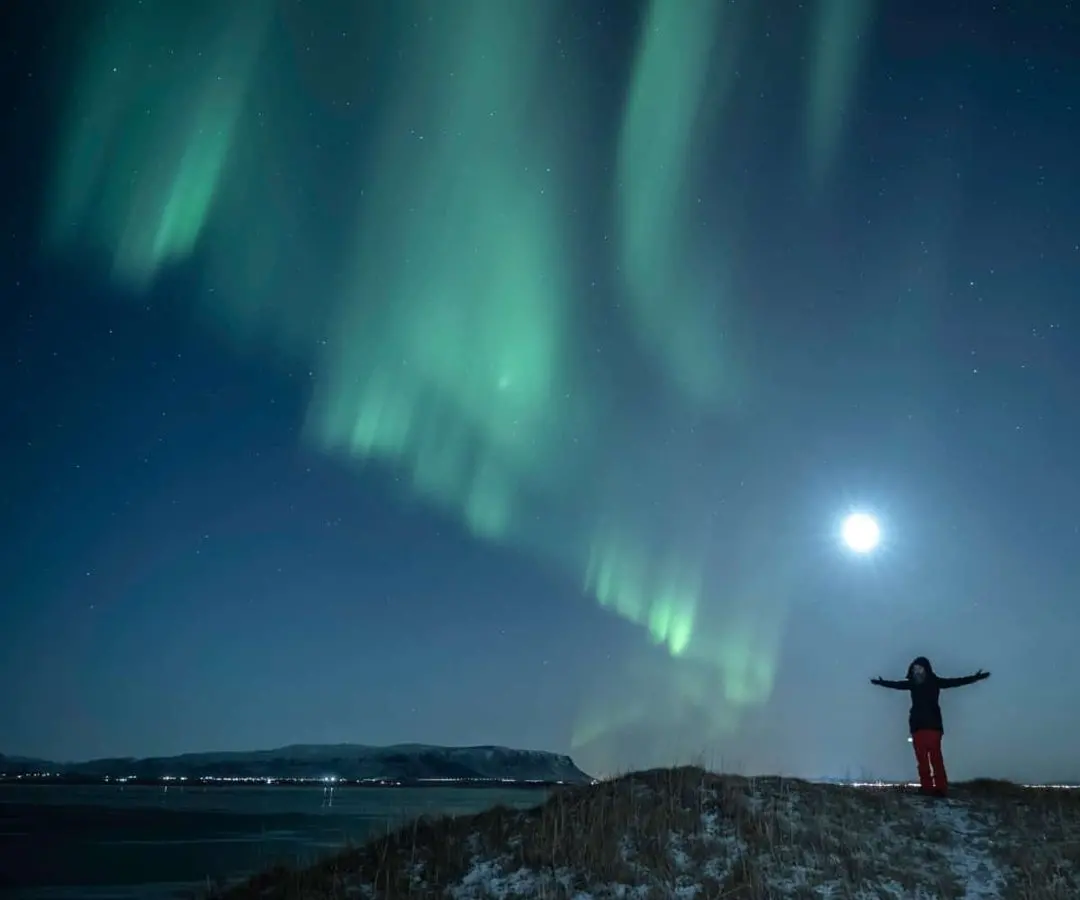
Know the limits before you book. The highlands and most mountain roads are closed until June, the puffins are gone until summer, and you'll likely lose something to weather. The operator's advice: come for six or seven days rather than three, treat the northern lights as a bonus rather than the plan, and book early — ice cave slots around Christmas and New Year sell out first, and the small south coast hotels have only a handful of rooms. October isn't too early to reserve for January.
Who's it for? Travellers who've done the city winter break, parents with grown children, and anyone sensible enough not to want to drive on ice in the dark.
A Luxury Travel Blog