Water parks promise an easy win with kids — but drowning remains the leading cause of accidental death among children aged one to four, so a bit of preparation matters. The National Drowning Prevention Alliance recommends families arrive with a water safety plan: knowing how to respond in an emergency, keeping children supervised by an adult at all times, and making sure everyone in the family can swim. A roundup of advice from working lifeguards adds some park-specific pointers that most visitors would never think of.
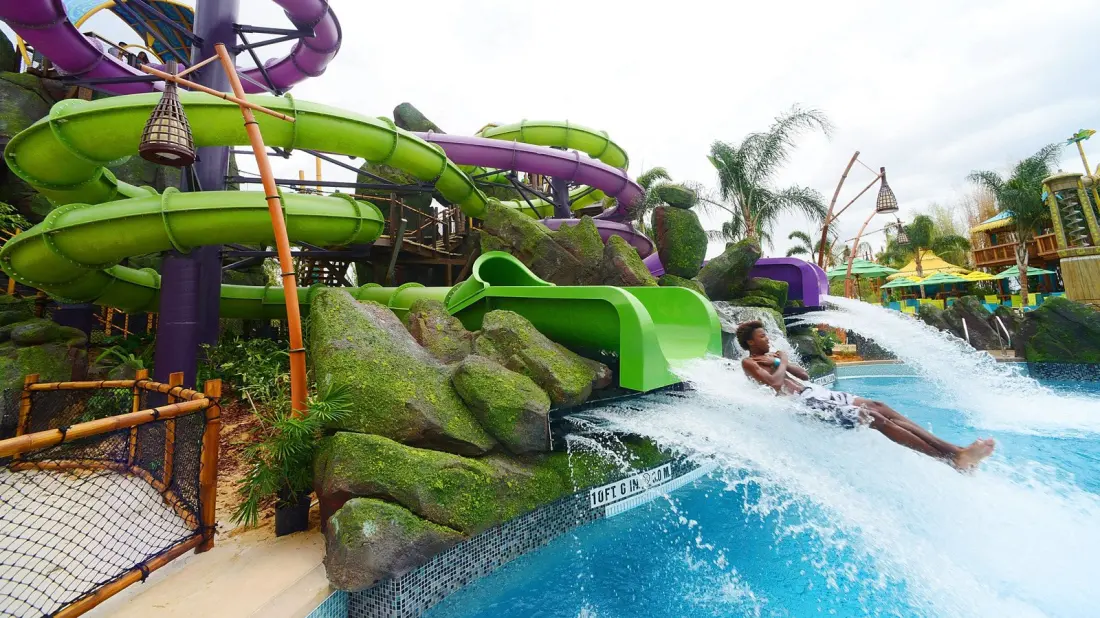
The surprise for many parents is that the scariest spot isn't the top of the slide — it's the landing pool. Lifeguards report large numbers of rescues in pools as shallow as three feet, where currents created where the slide meets the water can knock kids off their feet. Slides that drop into deeper water are riskier still. The fixes are simple: respect height restrictions, match the slide to your child's swimming ability, use a life jacket where posted, and skip the alcohol if you're riding as an adult. One lifeguard's blunt summary: a tube is no substitute for a life jacket if you can't swim well.
Supervision needs structure, not good intentions. In a big group, the saying goes, if everybody is watching the kids, nobody is. Designate a "water watcher," keep young children within arm's reach, and rotate the duty every 15 minutes so someone is always fully focused. Some parks set specific adult-to-child ratios, so check before you go.
Two tips cost nothing and take seconds. First, take a photo of your kids in their swimsuits when you arrive — if anyone wanders off, a precise description of clothing helps lifeguards find them far faster than "about eight, brown hair, wearing blue." Second, don't chat with the lifeguard on duty. It feels friendly, but scanning a zone demands constant concentration, and small talk breaks it. Save questions for genuine safety concerns and take everything else to another staff member.
Flotation gear deserves scrutiny too. A 2023 poll by the Pool & Hot Tub Alliance found 66% of parents wrongly believe water wings keep children safe. Arm bands aren't U.S. Coast Guard-approved, can slip off or deflate, and can lull parents into relaxing their watch. A properly fitted, Coast Guard-approved life jacket is the reliable choice for weak swimmers.
Wave pools are the park's highest-risk attraction, especially for younger children and anyone who can't tread water for long — lifeguards at one outdoor park reported several rescues a week. A common trap: people hanging on the wall while the waves are off, then getting caught in deep water when the cycle starts. Enter when you're ready, stay within reach of kids, keep them off the bottom near the wave wall where currents are strongest, and build in breaks. Finally, obey the rules that seem fussy — feet first on slides, no running — because they exist to stop problems before they start.
Whether you're headed to Orlando's big-name parks or a local splash zone, these habits cost nothing and could matter enormously.
Thanks to Islands for the original reporting.