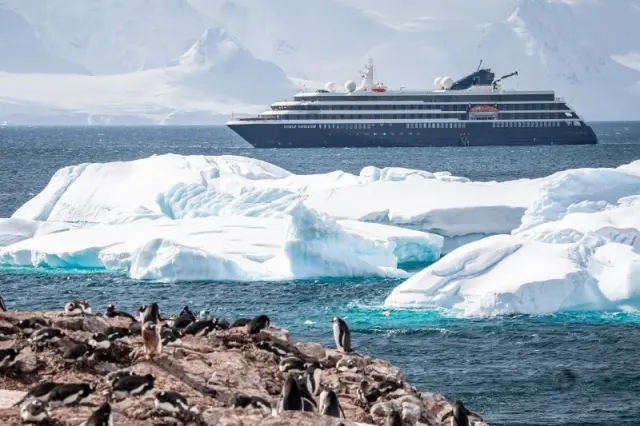
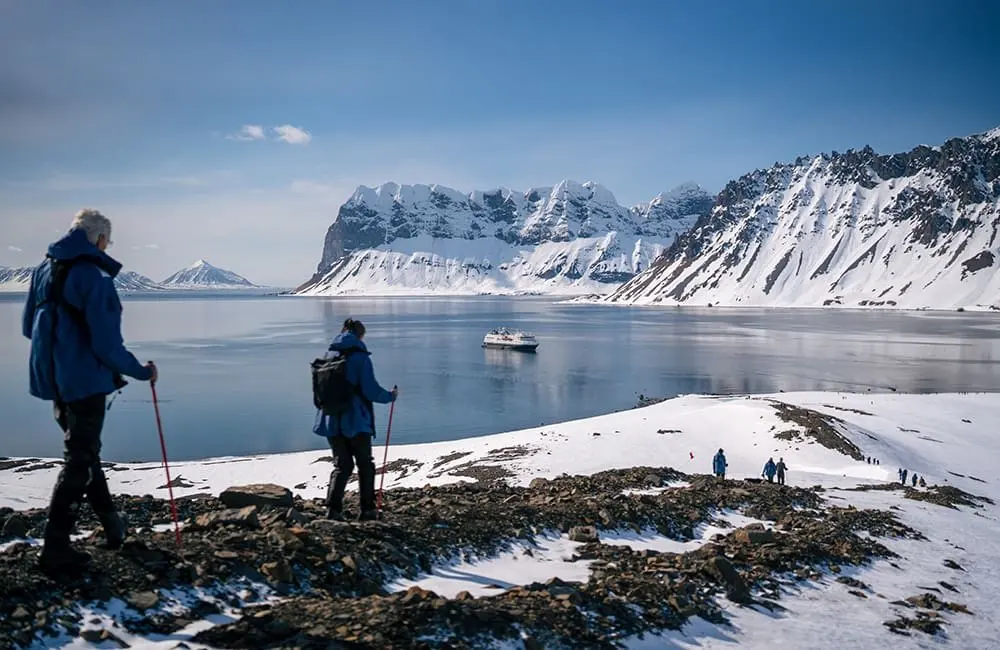
An Arctic cruise used to be about spotting polar bears from the deck and calling it a day. Increasingly, it's about becoming part of the research. HX Expeditions' 2026 Arctic season is a good case study: guests logged 26,491 citizen science contributions across nine research programs — the company's biggest-ever haul of science data.
The idea is simple. Passengers record wildlife sightings, identify species or note cloud conditions using platforms like iNaturalist, eBird, ORCA, Happywhale and NASA's GLOBE Cloud Observer. Individually, each contribution is small. Together, they feed real research on polar ecosystems.
The science doesn't stay in the lecture theatre either. HX ran 363 dedicated science boat sessions during the season, taking guests out onto the water to observe wildlife behaviour and gather field data. And on MS Fram, the line trialled something it calls an industry first: AI-powered whale detection using thermal imaging, high-definition cameras and machine learning to identify whale activity in real time — spotting animals a human eye might miss.
The learning starts before you even pack. Through a partnership with the University of Tasmania, HX offers free online courses covering destinations including Svalbard, Alaska and Antarctica, open to both travellers and travel agents. It means you can arrive in the Arctic already understanding the climate, wildlife and research context of what you're seeing.
Conservation is hands-on too. Guests and crew joined beach cleanups along the Arctic coast during the season, removing 308.44kg of waste. For travellers who want to leave a place better than they found it, that's a tangible way to do it.
What's shifting, fundamentally, is the motivation for going. Remoteness, dramatic scenery and extraordinary wildlife were always the Arctic's selling points. Now science itself is becoming a reason to book — a chance to help track individual whales, turn a bird sighting into a useful data point, or watch machine learning do real conservation work while you're onboard.
For travellers weighing up an expedition cruise against a standard sightseeing trip, this matters. If you find passive tourism a bit hollow, a science-led expedition gives you a role: you're not just passing through one of the planet's most fragile environments, you're contributing to the data that helps protect it. It suits nature lovers, photographers, birders, tech enthusiasts and anyone who wants their holiday to have a bit of purpose attached. Expect the science element to keep growing as more expedition lines chase the growing demand for meaningful, educational travel.
Story via Karryon.