Every autumn, thousands of Canadians and Americans pack up and head south to spend the winter months in Mexico, returning north in late spring. The snowbird rhythm sounds simple — but staying half the year in another country involves more admin than most people expect, and one recent rundown of the key practicalities highlights several changes that could catch newcomers off guard.
The biggest shift is at the border. Visitors entering Mexico on a tourist permit could once assume they'd be stamped in for the full 180 days. That's no longer happening reliably: officials now sometimes grant shorter stays, occasionally as little as ten days. Since there's no legal entitlement to the maximum, anyone planning a long winter should either build flexibility into their plans or, better, apply for formal residency — temporary or permanent — which makes repeated crossings far smoother and removes the risk of having to leave early.
If you already hold temporary residency, note that renewals must be done in person in Mexico; nobody can file for you. Arriving back for the season is the sensible moment to check your card's expiry date and start the renewal, or upgrade to permanent status.
Drivers have their own to-do list. Bringing a US or Canadian-plated car beyond Mexico's Free Zones requires a Temporary Import Permit, and Mexican-specific vehicle insurance is mandatory either way. And when the season ends, don't forget to cancel that TIP at a Banjercito border office — skipping this step can cause deposit and future-import headaches.
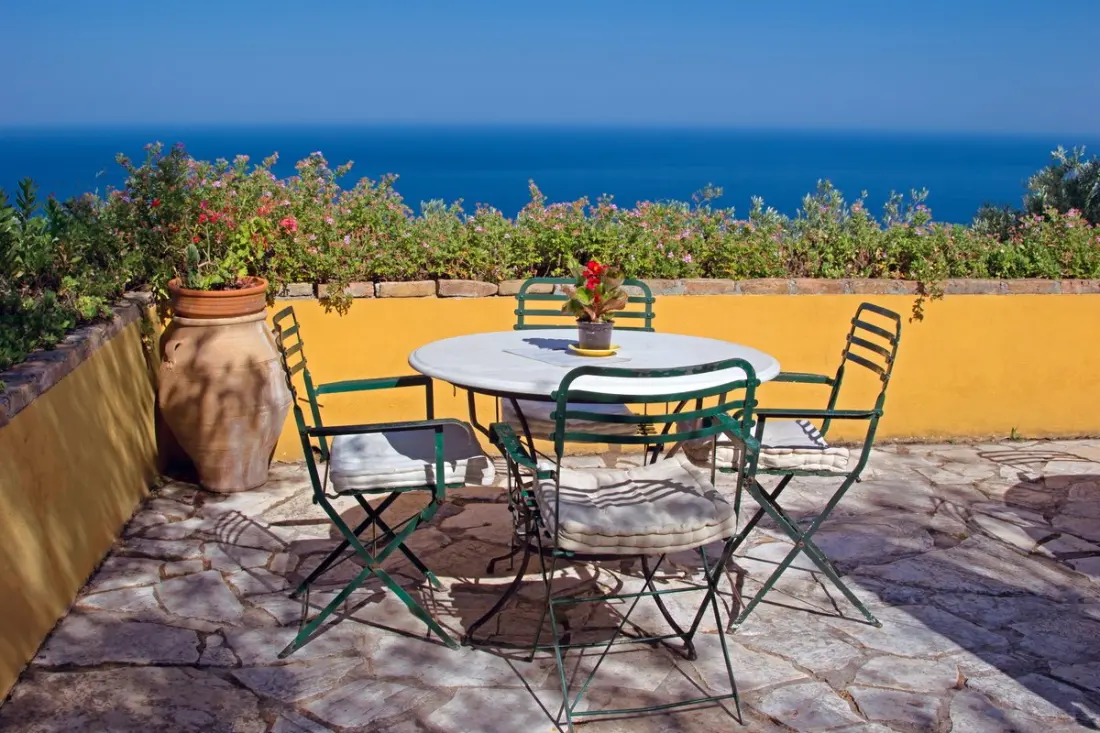
Housing needs attention at both ends of the season. Owners returning to a property left vacant for months should arrange a 'reopening' through a local contact, while renters should confirm possession dates with the landlord or agent well ahead. If you've rented out your own Mexican home while away, you'll want clarity on who's living there and how the handover will work.
Health cover is another area where the timing matters. Stays of up to 90 days can be covered by short-term trip protection, but anything between 90 and 180 days calls for extended-stay emergency and medical expense coverage — ideally one that includes medical evacuation home in a worst-case scenario.
There are smaller wins too. Learning even conversational Spanish noticeably improves daily life, from markets to medical appointments. And part-time residents increasingly use their winter base as a launchpad for exploring the country — colonial towns, Pacific beaches and Mayan ruins are all within reach depending on where you settle.
Leaving has its own checklist: don't overstay a visitor permit (fines apply at departure), 'check out' at the port of exit if you hold residency, and set reminders to restart any non-annual insurance policies before your next trip south.
Why it matters: for anyone weighing a part-time life in Mexico — retirees especially — the difference between a smooth season and a stressful one is almost entirely administrative. Sorting permits, insurance and property logistics before you fly turns the snowbird lifestyle into what it should be: six months of sun without the paperwork anxiety.