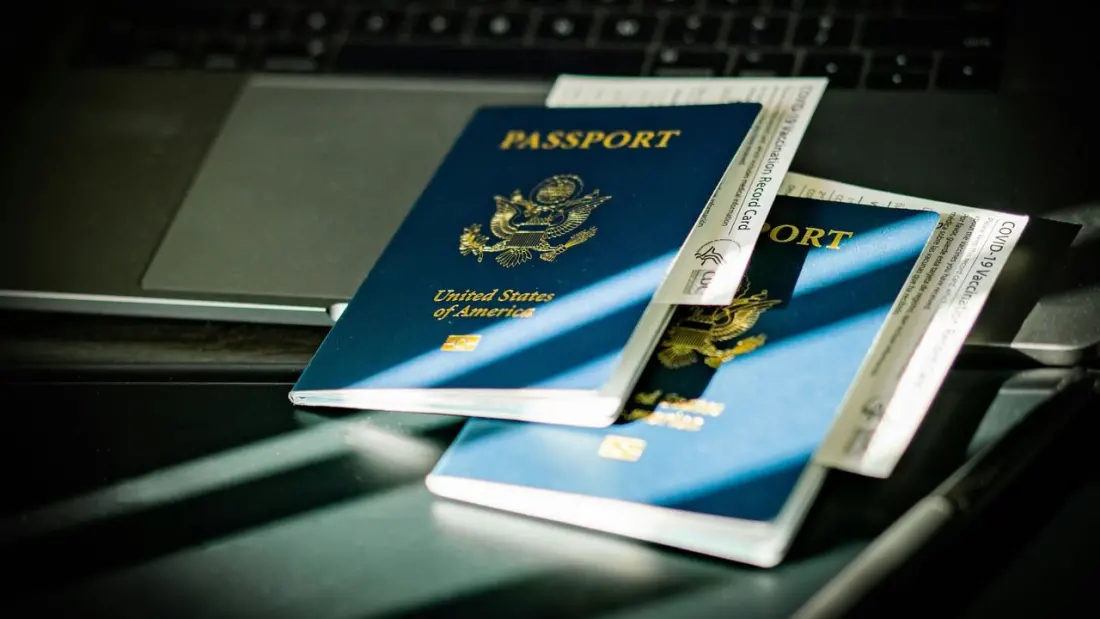
Applying for a first US passport has long meant a paper form, a trip to a post office, and a stiff headshot from a drugstore photo booth. That routine is finally being retired. On September 29, Secretary of State Marco Rubio announced that from 2027, first-time applicants will be able to complete the whole process online through a new federal portal, America.gov, with no in-person appointment and no printed forms.
The digitized application runs through Login.gov and covers everything in one place: filling out the form, submitting a photo, paying fees, and tracking the application to an estimated delivery date. The photo step is the biggest change for most people. Applicants will be able to snap a picture at home on their phone, as long as it meets the usual rules on background, lighting, positioning and image age. Filters and digital edits are off the table, though you can take as many shots as you like before choosing one.
There are caveats worth knowing. Online renewals have been available to eligible Americans since September 2024, but the first-time application rollout will be phased, with the goal of covering the "vast majority" of applicants for both passport books and cards by the end of 2027. The full eligibility rules haven't been published, and it's unclear whether some first-timers will still need to verify identity in person. America.gov is live now, but mostly as an AI-powered question-and-answer hub for federal services; the transactional passport tools arrive during 2027, with passport renewals among the first direct transactions planned for late 2026.
The document itself changes the following year. In 2028 the State Department will issue a redesigned passport: the familiar blue cover stays, but with a larger Great Seal and "United States of America" repositioned above it. Inside, an eagle motif shifts across the pages so flipping quickly makes the bird appear to fly. More practically, the current 26- and 50-page books will be replaced by a single 38-page format. Since about 92% of applicants get the 26-page version, most travelers effectively gain a dozen pages. Frequent travelers who rely on the 50-page book lose that option, which could mean renewing sooner if visa stamps fill the extra space. The new design rolls out as old stock runs down, so both versions will circulate for years — and existing passports remain valid until their normal expiry dates.
For travellers, the message is simple. If you're applying now, use the current in-person process for a first passport or the existing online renewal route — don't wait for the new portal or the new book, both of which are months away. And check your passport's expiration date before booking, as ever. The six-month validity rule many countries apply means a passport that looks fine can still ground you at check-in.
Story via Condé Nast Traveler.