Vietnam just posted its strongest tourism numbers since the pandemic, and the government is betting big that the boom continues. The sector directly contributed nearly 8.8% of GDP in 2025 and supports about 4.41 million jobs — and Hanoi now wants that share at 10–12% by 2030.
The rebound is real. In 2025, foreign arrivals jumped 20.4% year on year to almost 21.2 million, finally beating the pre-COVID record of 18 million set in 2019. Domestic trips hit roughly 137 million, and revenue crossed VNĐ1 quadrillion (around US$39 billion). The momentum has carried into 2026: nearly 15.9 million foreign visitors arrived in the first eight months, up 14.4%.
Behind the numbers sits a deliberate policy push. A tourism master plan signed in June 2024 frames the sector as a spearhead industry built on green growth. Visa rules have loosened significantly — citizens of 12 countries now get 45-day visa-free entry, an exemption extended through August 2028. Getting around is easier too, with new expressways, added flight routes and investment in rail and waterway links.
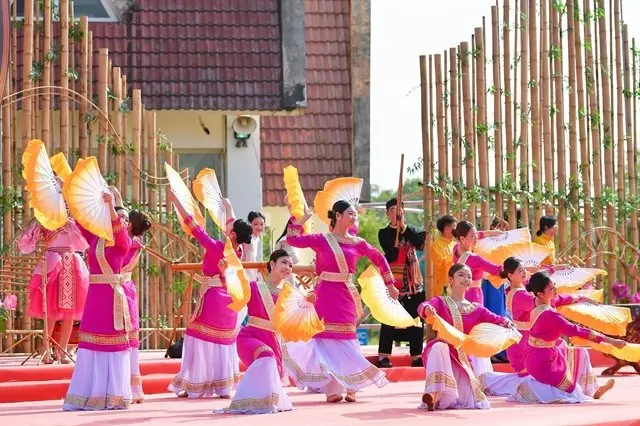
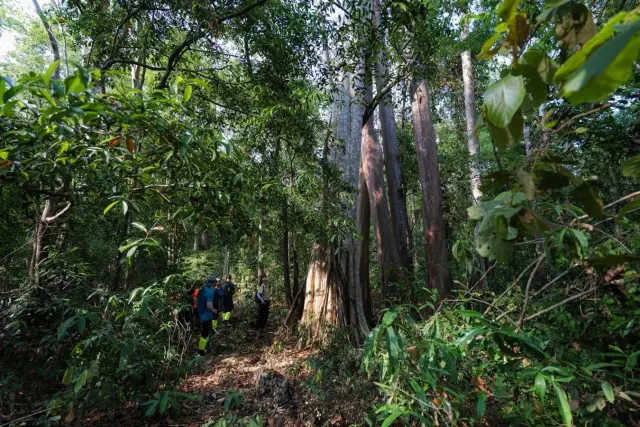
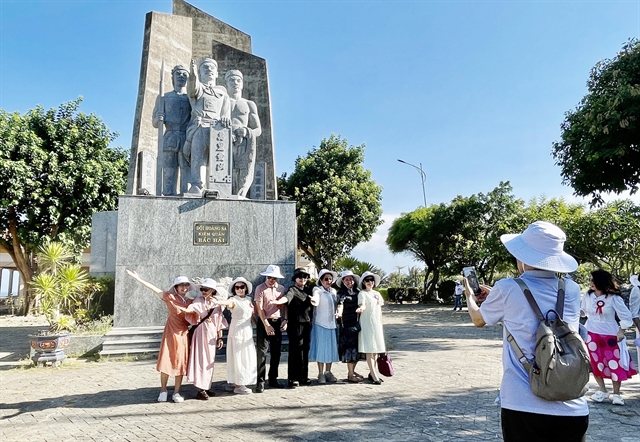
For travellers, the more interesting shift is in the product. Vietnam is pushing beyond the classic beach-and-heritage formula. Localities are rolling out community-based and agricultural tourism, ecotourism, wellness retreats, sports travel, MICE facilities and night-time economies, plus experiences built around food, festivals and craft villages. With more than 3,200km of coastline, island chains like Lý Sơn, and everything from deltas to highlands, the country has the raw material to back that up. The upshot: longer stays, more reasons to detour off the Hanoi–Hội An axis, and better spending value in regional spots.
Quality is the new watchword. A Politburo resolution from August 2026 targets 45–50 million foreign arrivals and $80–90 billion in revenue by 2030, with an explicit pivot from volume to value — better infrastructure, a trained workforce, digital destination management and a green transition. A near-term plan aims for 25–27 million foreign visitors in 2026 alone.
What does this mean if you're planning a trip? Expect smoother visa processing for many nationalities, expanding flight and road connections, and a fast-growing menu of experiences beyond the headlines — think homestays in the highlands, craft-village workshops, island-hopping in Quảng Ngãi and wellness stays that didn't exist five years ago. The trade-off is that hotspots like Hạ Long Bay and Hội An will keep getting busier, so the sweet spot is increasingly in the secondary destinations Vietnam is actively developing. Go soon, and you'll see the country mid-transformation — still affordable, but clearly levelling up.