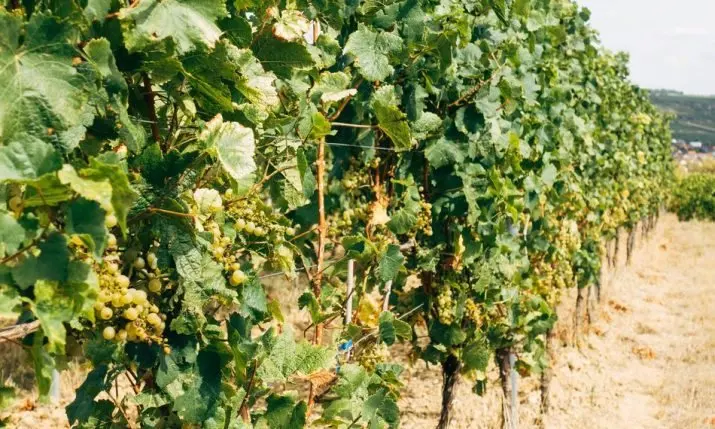
Croatian agricultural authorities have issued a fresh warning about flavescence dorée, a bacterial grapevine disease that is quietly spreading through the country's vineyards. There is no cure once a vine is infected — it must be found, removed and destroyed, which makes early detection the only real defence.
By the end of 2025, the disease had been confirmed in 14 of Croatia's counties plus the City of Zagreb, according to the Ministry of Agriculture. It travels via the American grapevine leafhopper (Scaphoideus titanus), an invasive insect that has made the disease notoriously hard to contain elsewhere in Europe.
What makes this warning unusual is its scope. The ministry isn't just addressing large commercial producers — it's asking anyone with even a single vine in the garden to inspect their plants and report suspected infections. Officials point out that neglected or abandoned vineyards act as reservoirs, and that one untreated infected vine can undo the efforts of an entire neighbourhood. The timing matters too: the warning landed at the end of the 2026 growing season, exactly when growers can assess their vines and plan treatments before the next cycle begins.
For anyone who travels to Croatia for its wine, this is more than agricultural housekeeping. Wine is woven into the country's identity as a holiday destination — crisp Malvazija and teran in Istria, Plavac Mali on the Dalmatian coast and islands, and a thriving scene in the continental north around Zagreb. Many visitors plan entire trips around cellar doors, harvest festivals and vineyard stays. A disease that kills vines permanently threatens the very landscapes and tastings that draw people in.
The good news for travellers: nothing about visiting Croatian wine regions changes right now. Tastings, tours and harvest-season trips continue as normal. If anything, the story is a reason to go — supporting smaller family wineries, which carry much of the workload of monitoring and treatment, helps keep the industry healthy. Visitors may also notice heightened vigilance at vineyards, from inspection signage to growers being selective about where they source planting material.
The broader lesson is that Croatia's wine country depends on coordinated effort. Authorities stress that piecemeal action fails if infected vines survive down the road, which is why the call has gone out to hobby growers as loudly as to the big estates. Anyone planning a wine-focused trip in 2027 can expect the same warm hospitality and distinctive local varietals — just with an industry working harder than usual behind the scenes to protect them.
Croatia Week