Seen from space at night, most of western Spain is a black hole. Castile and León and Extremadura — the two big regions known as La España Vacía, or Empty Spain — have shed residents for decades, and hardly any tourists make the trip inland either. That's precisely the appeal. While Barcelona and the coastal resorts grapple with overtourism, there's room out by the Portuguese border for anyone after silence, dark skies and wildlife.
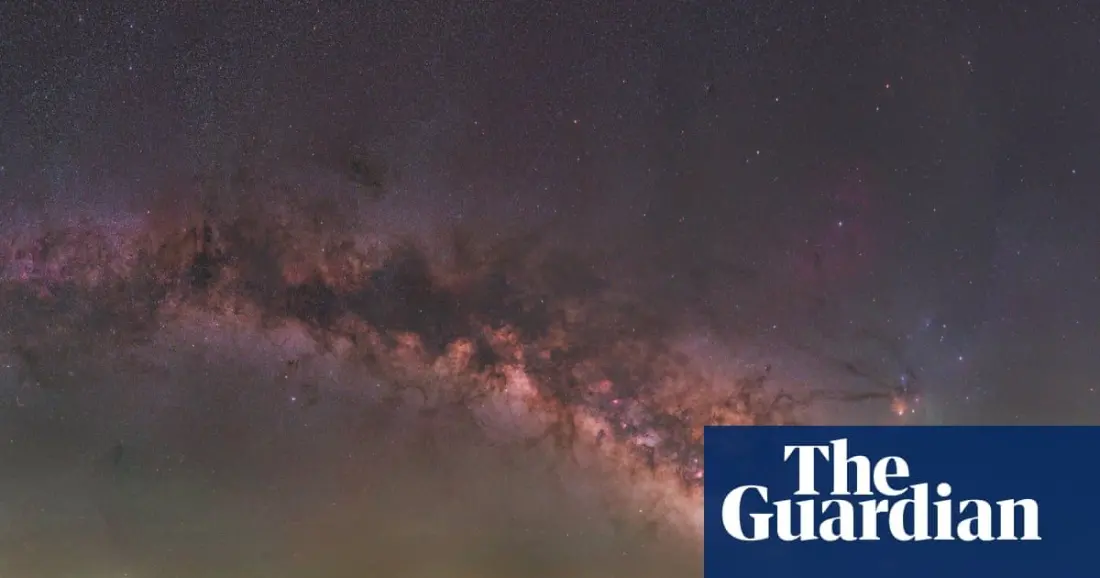
The region has been leaning into it with an astrotourism scheme called Extremadura Buenas Noches, a route linking the best stargazing spots. Highlights include La Siberia — so remote that the workers who built the first roads named it after Siberia — and the Corral de los Lobos, a hilltop stone corral once used to trap wolves back when they outnumbered the locals. On clear nights the stars apparently look close enough to touch, with the ISS and Jupiter easily picked out.
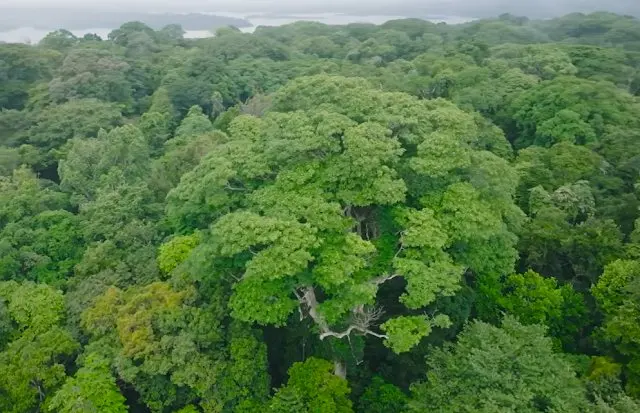
Daylight has its own rewards. In the Garganta de los Infiernos nature reserve, the River Jerte swirls through polished granite potholes, and the luminous green lichen on the rocks is a sign of genuinely clean air. Honey buzzards and griffon vultures ride the thermals, Spanish imperial eagle numbers are recovering, the Iberian lynx population is climbing in nearby Monfragüe national park, and wolves are back in the Gredos mountains — close enough that their howls can be heard from the old wolf corral.
The flip side of emptiness is fragility. The 2025 wildfires burned nearly 20,000 hectares of the Jerte valley's cherry orchards, and towns like Valverde de la Vera — a handsome place with a ruined castle, a couple of tapas bars and no hotel — have lost thousands of residents. Locals would welcome a few more visitors.
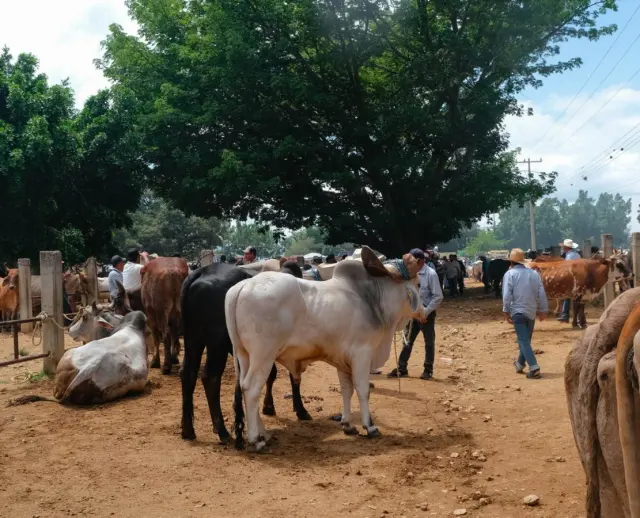
For accommodation, the state-run parador network offers good-value rooms in converted convents and palaces in solid bases such as Cáceres, hilltop-fortressed Trujillo and Plasencia, with its famous pair of half-finished cathedrals. There are more pigs than people out here — including the black, acorn-fed pigs behind the region's famous jamón ibérico. In La Alberca, a village of striking half-timbered houses built by settlers from Burgundy a millennium ago, one lucky pig gets to roam free for seven months each year before being raffled off at the January feast of San Antón; recent winners have sometimes kept it as a pet.
The food is the sleeper hit. Penny bun mushrooms grilled with garlic and olive oil, chestnuts, local cheeses and red wine from the native rufete grape — all cheaper and often better than in Spain's busier quarters. Meson de San Martín, in the village of San Martín del Castañar, comes highly recommended.
Who's this for? Anyone turned off by crowded hotspots: hikers, birders, stargazers and slow food travellers will find a working landscape — not a museum — with the rare thrill of hearing wolves under a full Milky Way.