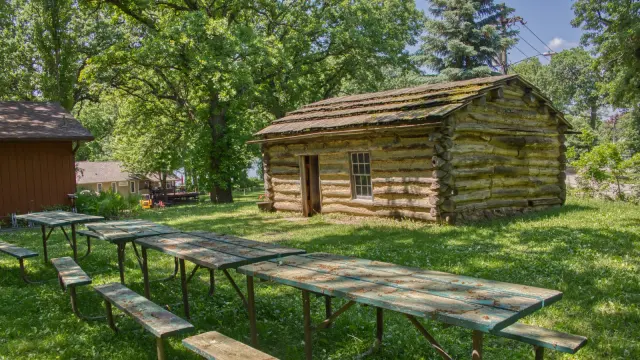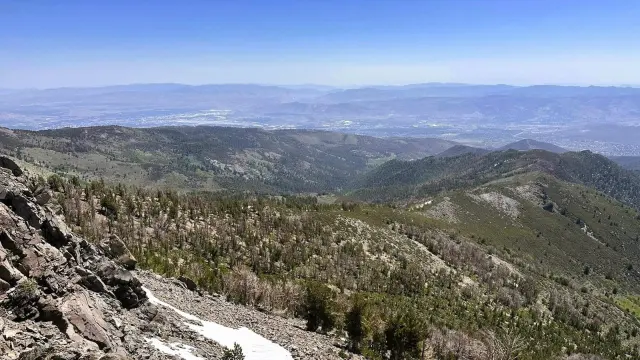
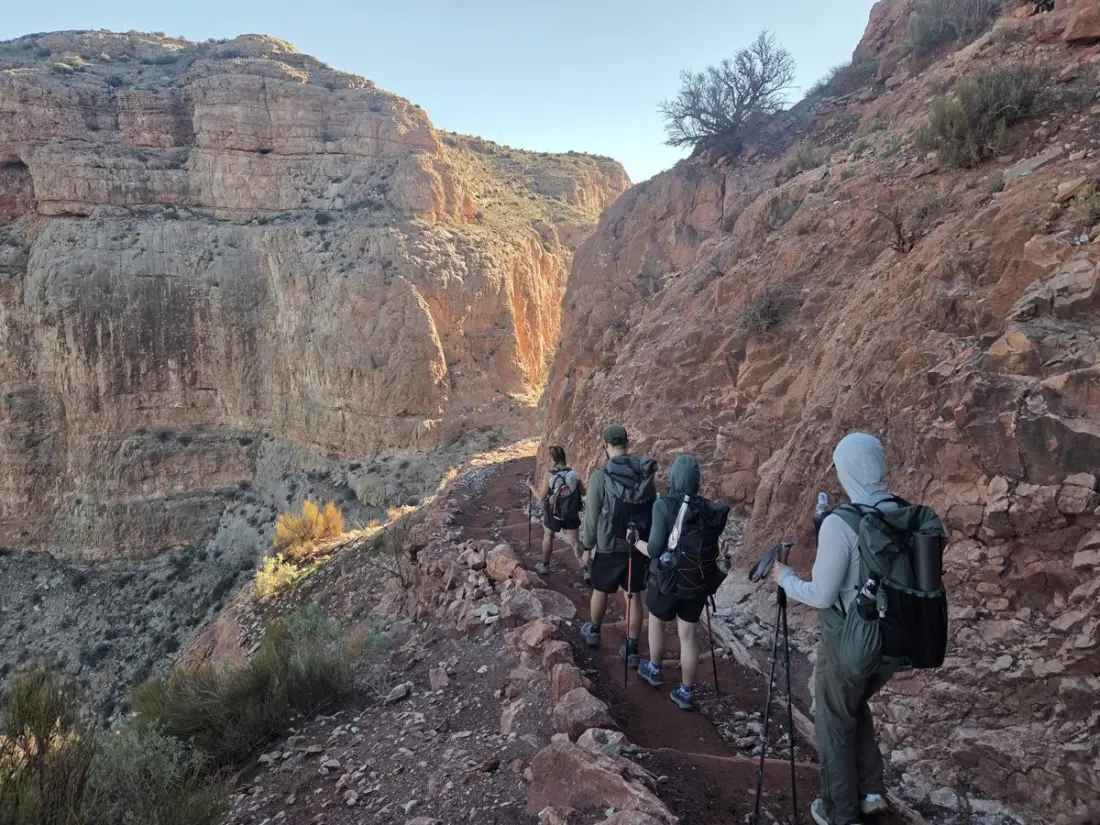
Forget the cactus-and-sand image. A southbound thru-hiker's first week on the Arizona Trail has been pine forests, yellow aspens, fog, hail and a cold thunderstorm at 9,000 feet — weather more like the Appalachians than the desert most people picture.
The trip began in Kanab, Utah, with a drive to the northern terminus. The trail wastes no time: southbound hikers face a 2,000-foot climb straight out of the gate. From there the first days rolled through pine forest and open meadows, with daily distances building from 13.4 miles to 17.1. Water was a recurring theme — one source was a wildlife trough barely five inches deep, topped with green algae and swimming bugs. Filtered and chased with salty ramen, it apparently tasted fine.
Day five delivered the trip's biggest milestone: the trail's high point at 9,100 feet, crossed through burn scars from last July's Dragon Bravo Fire. Recent monsoons had washed out the trail in places, and a six-mile closure forced a highway walk to reach the North Rim of the Grand Canyon. There, the hikers found the general store shut and — more worrying — no water available anywhere on the North Rim. Two hikers ahead of them had bought extra beer and water and shared, a small act of trail generosity that mattered a lot.
A 14-mile closure on the canyon's north side meant a shuttle around to the South Rim — a drive of nearly five hours, a neat illustration of just how big the Grand Canyon is. After a burger at a food truck and an expensive resupply at the general store, the group slept indoors at a ranger's house. The next morning they were up at 5 a.m. to catch the 6 a.m. bus to the South Kaibab Trailhead, descending into the canyon before the heat. For this hiker, the trail had extra meaning: it was where she went on her very first backpacking trip, years earlier, with her mom.
One practical detail worth flagging: it's illegal to camp inside Grand Canyon National Park without a permit, so the group hiked four miles in the dark to camp outside the boundary — falling asleep to elk bugling in the distance.
So what does this mean if you're eyeing the Arizona Trail yourself? First, pack real rain protection. A short poncho wasn't enough against days of rain, hail and thunder at elevation. Second, don't assume desert means dry and hot — early autumn on the Kaibab Plateau can be cold, wet and foggy. Third, know your closures: fire damage and monsoon washouts can close miles of trail with little notice, and detours here are measured in hours, not minutes. Finally, plan water carefully. Caches and trail magic (like watercolors left at one cache for hikers) help, but sources can be algae-rich troughs, and resupply store hours are strict. Southbound hikers should also budget for that Grand Canyon shuttle and carry enough cash for pricey rim-town resupply.
The first week's verdict from the trail: Arizona is full of surprises, and most of them are good ones.