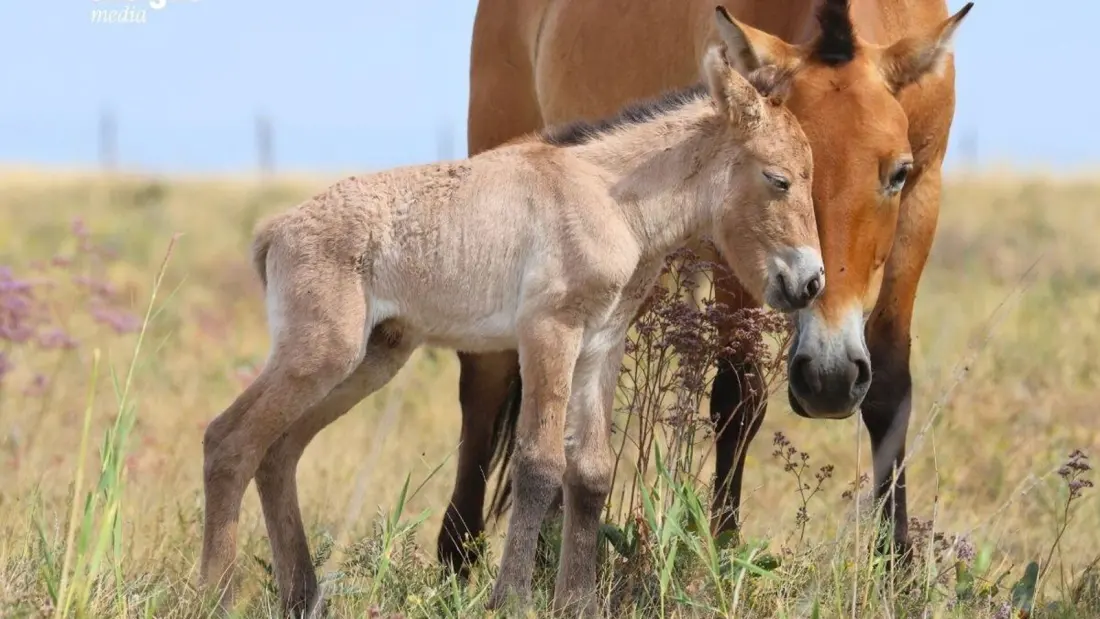
Something rare just happened on the Kazakh steppe: the country's first Przewalski's horse foals have been born on home soil. Named Botai and Tumar, the two foals arrived this summer at the Alibi Reintroduction Center inside the Altyn Dala State Nature Reserve in the Kostanai Region, according to Kazakhstan's Ministry of Ecology and Natural Resources.
The births matter because they show the reintroduction programme is working. The foals' mothers, Tessa and Umbra, came from Berlin's Tierpark in 2024 as part of an international conservation effort. Now, barely two years on, they're reproducing in Kazakhstan — a sign the imported horses are adapting to local conditions rather than merely surviving.
The names carry weight. Botai nods to the ancient Botai culture of northern Kazakhstan, linked to some of the earliest archaeological evidence of humans domesticating horses. Tumar means a protective amulet in Kazakh. For a species that vanished from the wild in the 20th century and clung on only through captive breeding, the symbolism is apt.
Przewalski's horse — called kerkulan or kertaqy locally — is the last surviving wild horse species. Kazakhstan launched its current push in 2024 with seven horses from Prague Zoo, added seven more in 2025 and eight in 2026, with a goal of around 40 animals by 2029. The project teams the Committee of Forestry and Wildlife and the Association for the Conservation of Biodiversity of Kazakhstan with European zoos and conservation groups.
The setup is methodical. New arrivals spend an adaptation period at the centre before release into the reserve, where specialists track health and behaviour, fitting some horses with GPS collars. Altyn Dala was chosen for its vast steppe, pasture and water — and the horses are expected to earn their keep as large grazers, helping natural vegetation cycles across the wider ecosystem.
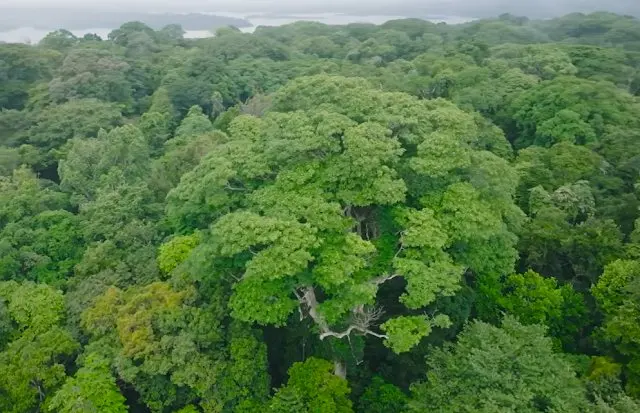
For travellers, Altyn Dala is one of Central Asia's least-known wildlife stories. This is a landscape of endless grassland rather than dramatic peaks, and its draw is space and rarity: the chance, in principle, of seeing truly wild horses back where their ancestors roamed. The region also sits near the heart of historic Botai territory, tying the conservation story to a deep human one.
Access takes planning — the Kostanai Region is remote, tourism infrastructure is thin, and visits are best arranged through specialist operators or conservation organisations working in the area. But for wildlife travellers who've already ticked off the safaris-and-canyons circuit, a working reintroduction project on the open steppe offers something few places can: a front-row seat to a species coming home. The foals' birth shifts the story from bringing horses back to building a self-sustaining wild population — and that's worth watching over the next few years.
Story via The Astana Times.